


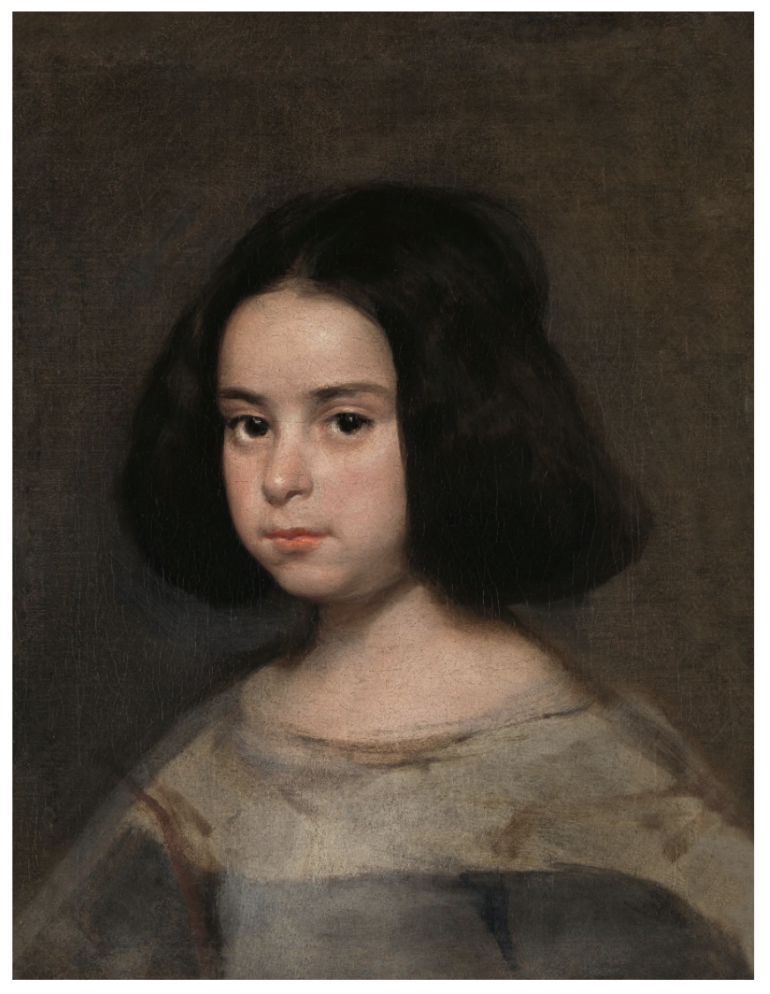
This spring, Paris becomes the stage for a rare encounter with the dramatic beauty of the Spanish Golden Age. Baroque Splendors – Paintings from the Hispanic Society of America, presented at the Musée Jacquemart-André, brings together around forty exceptional works from the renowned Hispanic Society of America. Many of the featured works will be shown in France for the very first time.
Curated by Guillaume Kientz and Pierre Curie, the exhibition highlights the power, spirituality and theatrical intensity of 17th-century Spanish art through masterpieces by Diego Velázquez, El Greco and Francisco de Zurbarán. Set within the museum’s celebrated programme dedicated to Old Masters, this landmark show offers a compelling glimpse into one of Europe’s most influential artistic eras, shaped by empire, faith and a profound sense of human drama.
The exhibition at the Jacquemart-André Museum in Paris is the result of a collaboration with the Hispanic Society of America in New York, and will showcase Hispanic Baroque art. Part of the Jacquemart-André museum’s ongoing programme dedicated to 17th-century masters and masterpieces, the exhibition follows Caravaggio in 2018, Artemisia Gentileschi and Georges de La Tour in 2025, and the Borghese collection in 2024.
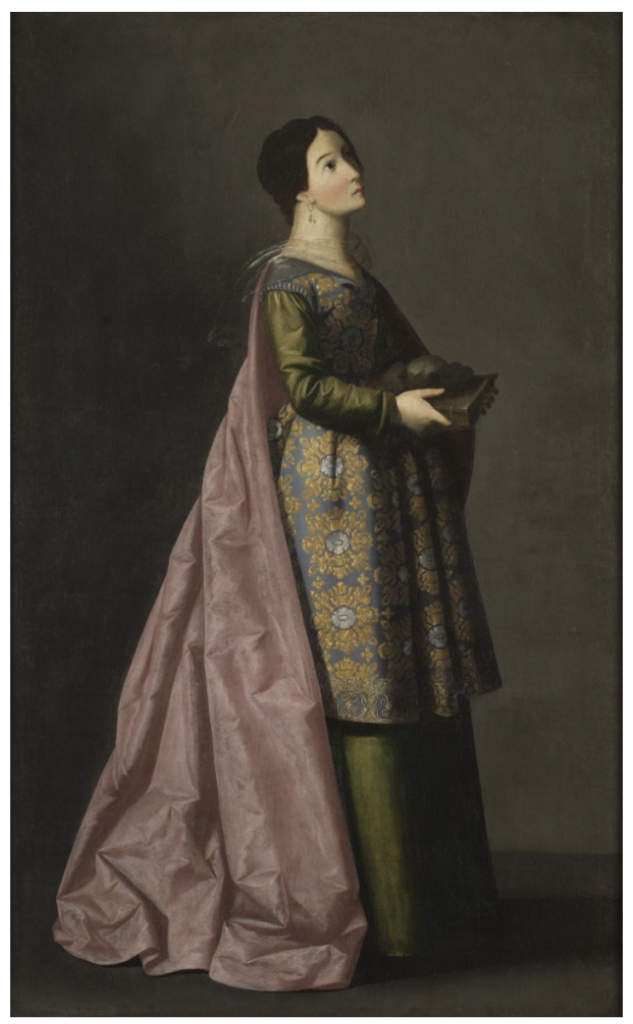
Photo: courtesy of The Hispanic Society of America, New York
The Hispanic Society of America
Founded in 1904 by the American scholar and patron Archer Milton Huntington (1870–1955), the Hispanic Society of America is the oldest and most important museum institution dedicated to the study and promotion of the arts and cultures of the Spanish and Portuguese-speaking world outside the Iberian Peninsula. Driven by a deep passion for Spain and its artistic and literary expressions, Huntington built up a remarkable collection of paintings, sculptures, manuscripts, archaeological artefacts and art objects during his studies and travels, which he housed in a specially designed setting in northwest Manhattan, New York (Audubon Terrace). Intended, in Huntington’s own words (1898), as a place capable of “condensing the soul of Spain through works of the hand and the mind”, the Hispanic Society of America now houses more than 750,000 pieces, from antiquity to the contemporary era, covering more than thirty-five countries and a wide variety of techniques and media.
In 2019, the Hispanic Society began renovating its historic buildings under the architectural direction of Annabelle Selldorf. While the first phase was completed in 2023, marking the museum’s reopening, the second phase, which includes new rooms for old paintings, is scheduled to open in autumn 2027. It is in this context that the institution is entrusting the Jacquemart-André Museum with a selection of its masterpieces for an exhibition dedicated to the Spanish Golden Age.
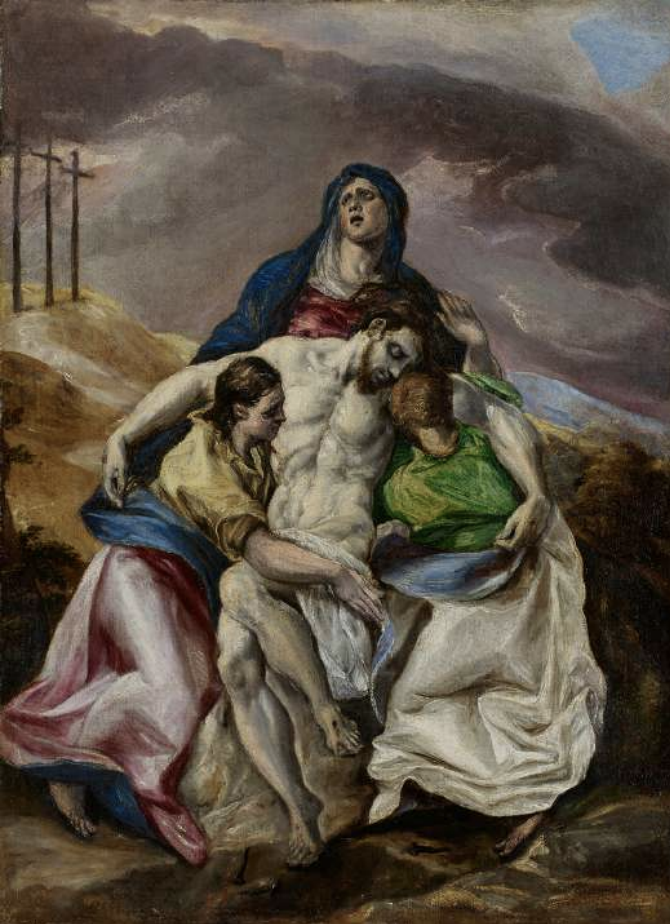
photo: courtesy of The Hispanic Society of America, New York.
The Spanish Golden Age
Spanning from the early 16th to the late 17th century, the Golden Age represents to the economic, artistic and literary heyday of the Spanish Habsburg monarchy (1516–1700). With a vast colonial empire, political and cultural influence spanning accross much of Europe and extending as far as the Americas and Asia (the Philippines), the Kingdom of Spain experienced a period of extraordinary artistic vitality — one that developed in a context marked by complex economic and cultural exchanges.
This period was marked by successive reigns of sovereigns whose royal courts acted as patrons and sponsors of the greatest artists. Between the late Renaissance and the full flowering of the Baroque, Spanish artistic production distinguished itself by its expressive intensity, profound spirituality and taste for the exaltation of form.
Baroque Splendors – Paintings from the Hispanic Society of America runs from 26th March to 2nd August, 2026 at the Musée Jacquemart-André in Paris. Find more information here.