

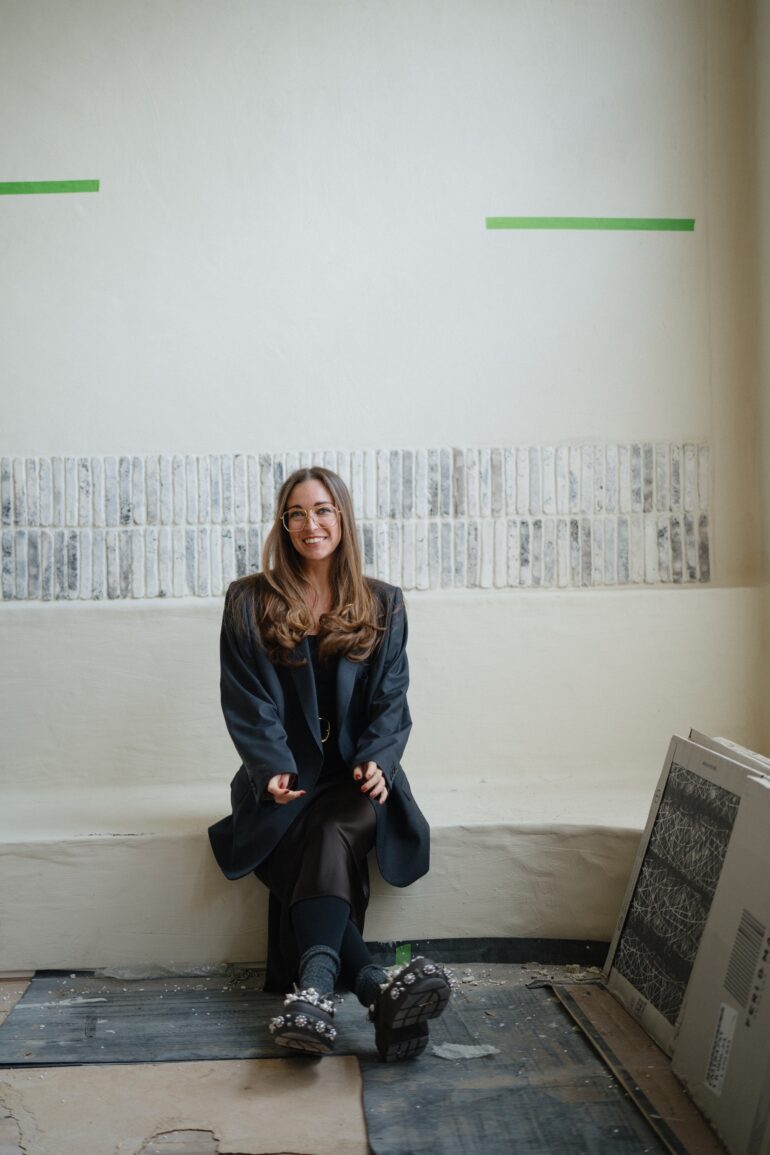
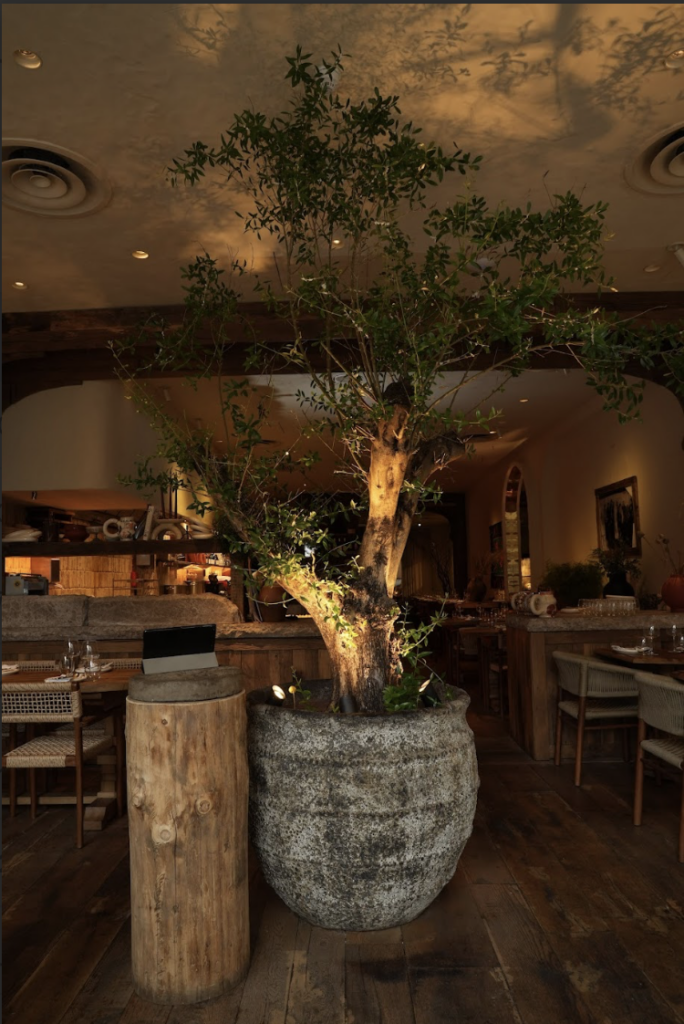
Restaurateur Anna Andriienko is redefining how Ukrainian culture is experienced in London through her restaurant Tatar Bunar, which she co-founded with Alex Cooper. Tatar Lunar was recently given the honour of being featured in The Michelin Guide. Located in Shoreditch, the restaurant celebrates the diverse regional flavours and Tatar heritage of southern Ukraine, combining traditional recipes with a contemporary approach to dining. From family-inspired dishes and indigenous ingredients to interiors featuring reclaimed wood from the Carpathian Mountains and vintage Ukrainian textiles, every detail reflects a deep commitment to cultural storytelling.
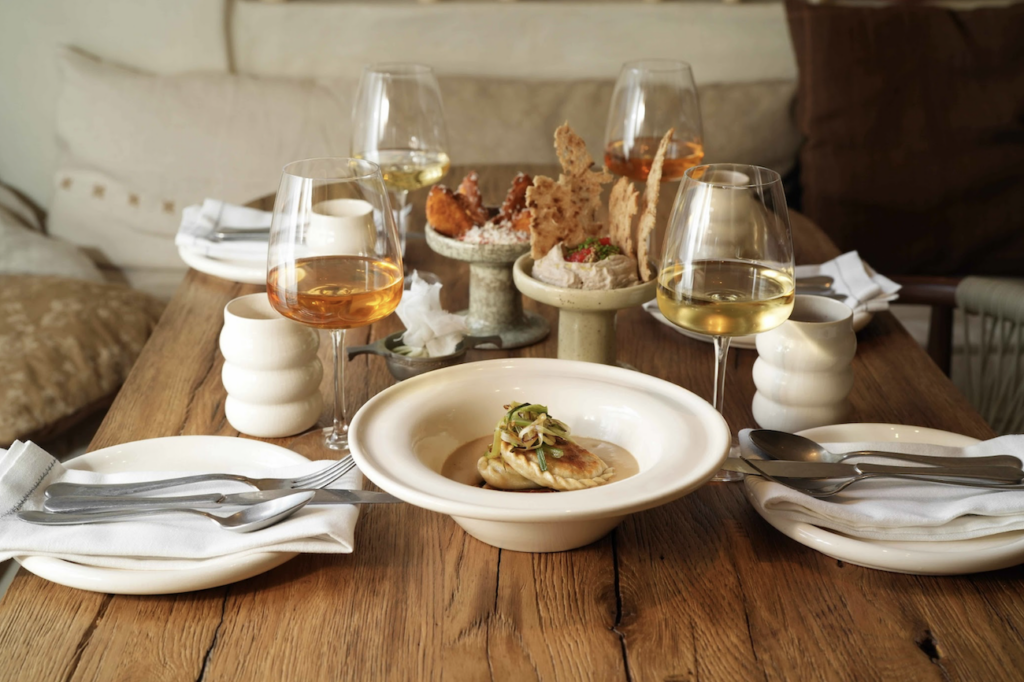
Tatar Bunar’s menu is centred around traditional Ukrainian cuisine inspired by recipes from the Bessarabia region. Culinary highlights include; Ukrainian onion bread with lardo and varenyks; Bessarabian paprika and crispy onions; bourscht and cottage cheese creme brûlée varenyk; and mouthwatering sea bass carpaccio served with a fish yushka. Accompanying the thoughtfully designed menu is a curated selection of Ukrainian wines handpicked by Andriienko and Cooper from the vineyards of the Bessarabian region.
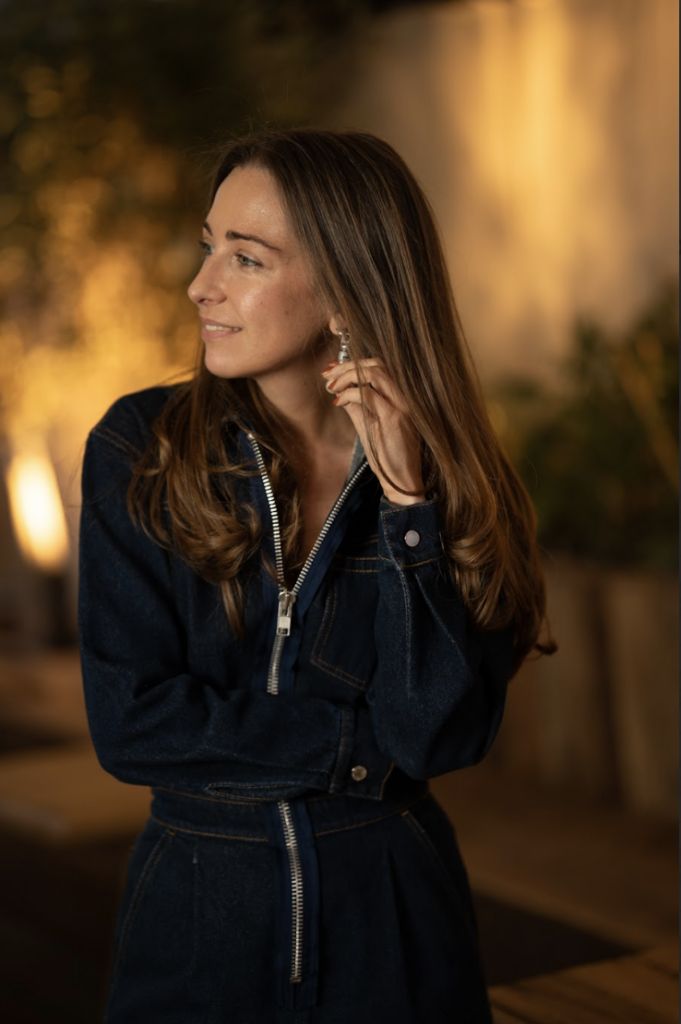
Recently named one of ten visionary women preserving and shaping Ukrainian art and culture in a Forbes article by Culturalee Founder Lee Sharrock, Andriienko is helping to bring Ukrainian gastronomy to a global audience. Here, Sharrock speaks with Andriienko for Culturalee Innovators about heritage, identity and the power of food as cultural expression.
Tatar Bunar is much more than a restaurant, it feels like a cultural space rooted in memory and storytelling. What first inspired you to create Tatar Bunar, and what vision did you have for how Ukrainian cuisine could be experienced in London?
Tatar Bunar was built by two people who found themselves in very different contexts. I moved to London at the beginning of the full-scale war and found myself in the position of someone who was incredibly grateful for everything the UK and the international community were doing to support Ukraine. At the same time, I felt a strong need to give back. From my perspective and from what I had done before, the only meaningful way to respond was through hospitality.
My business partner Alex Cooper chose to stay in Ukraine and continue to develop his businesses there. His motivation was to introduce Ukrainian cuisine to the world and to make sure that Ukraine remains present in the global conversation — in the news, culturally, and through its development.
But we both realise how much Ukrainian cuisine has to offer. How should it be experienced? My understanding is that Ukrainian cuisine should be experienced as European yet exotic, bold and intriguing — and quite possibly a cuisine you have never heard about before.
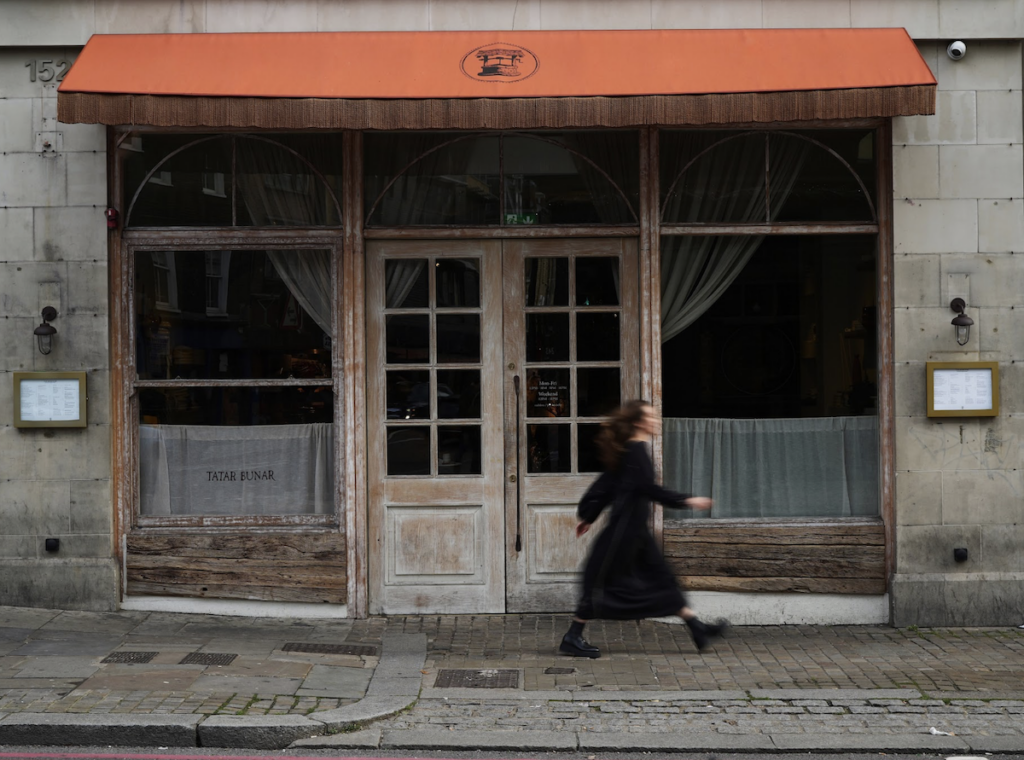
You co-founded the restaurant with Alex Cooper, drawing inspiration from his hometown of Tatarbunary in southern Ukraine. How did the history and traditions of the Bessarabian region shape the concept, menu and atmosphere of the restaurant?
Family traditions and regional heritage sit at the core of the restaurant. We brought everything from Ukraine — from the dishes themselves to the smallest details. Wood, furniture, décor and ceramics.
You will find old carpets I picked from the Kosiv market, and ceramics by Svitlana Sholomynska, whose work echoes traditional Ukrainian forms while offering a contemporary interpretation.
We bake our bread daily, using the same recipe that Alex’s mother has been baking for her family all her life. Everything here is rooted in region, in family stories, and in the history of the place we want to tell through the restaurant.
Food at Tatar Bunar often carries deeply personal narratives, from family recipes to memories such as the sea bass carpaccio inspired by Alex fishing with his father. How important is storytelling in the way you present Ukrainian cuisine to an international audience?
I would say regardless of the audience, storytelling is incredibly important. I believe that our strongest memories of food are rarely just about the taste. They are about who you were at that point, who you were with and the circumstances in which we shared that meal. Food has a remarkable power to tell stories.
Also, we can see this in our guests as well. Some of them may have left Eastern Europe fifty years ago, yet they still recognise these flavours. Others may never have lived there themselves — perhaps it was their parents or grandparents who relocated — but they still remember the taste and understand exactly what we are talking about.
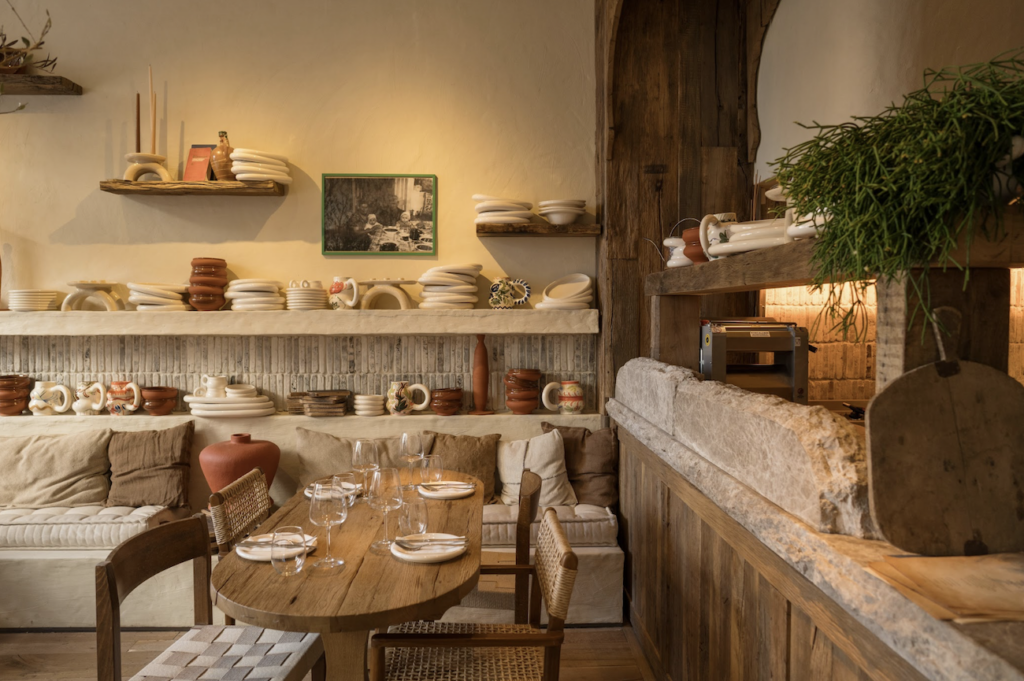
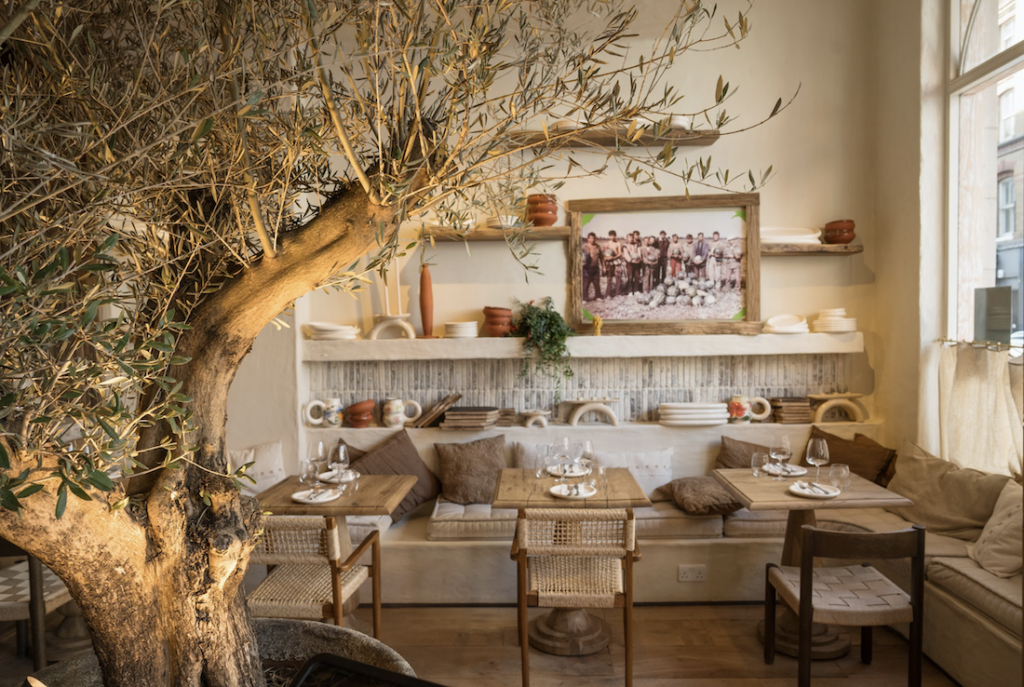
The interiors of your restaurant are designed by I Am Design, and they play a key role in creating the atmosphere, with reclaimed wood from the Carpathian Mountains and vintage Ukrainian rugs on the walls. How did you approach the design of the space so that it reflects both heritage and a contemporary dining experience?
We took traditional Ukrainian elements and reinterpreted them within a contemporary context — through the design and through the way the restaurant sits within our city and our neighbourhood. For example, the walls are finished in a traditional Ukrainian Mazanka style, yet within the overall interior it creates a fresh, clean look that feels very much at home in London.
In a recent Forbes feature you were recognised as one of ten visionary women preserving and shaping Ukrainian art and culture. How do you see gastronomy contributing to cultural preservation, particularly at a time when Ukrainian identity is being asserted so strongly on the global stage?
For me, gastronomy has always been — and will always remain — a part of culture.
I believe Ukraine has an enormous amount to offer culturally. We have remarkable musicians, a strong fashion scene, and incredibly talented craftspeople across many fields.
Through Tatar Bunar you are championing regional ingredients, traditional techniques and wines from Ukrainian producers. What role do you believe restaurants can play in driving cultural innovation while remaining rooted in tradition?
In many ways, there is a creative surge happening now — during the war — as people respond to the Aggressor’s attempts to erase our identity. I see gastronomy as a vital and fully-fledged part of cultural representation.
Restaurants have a powerful ability to tell stories. When you walk through the door, we have a story for you — in fact, many layers of it. From how a dish was created and which region it represents, through people who lived in a particular region, to the way the space itself was designed and how it helps tell that story. For me, if done well, it can be even comparable to theatre or any other form of art where a story is being told. Moreover, people are always interested in people, and stories about food are always deeply personal.
Find out more about Tatar Bunar here.
Photographs © Sergii Sarakhanov
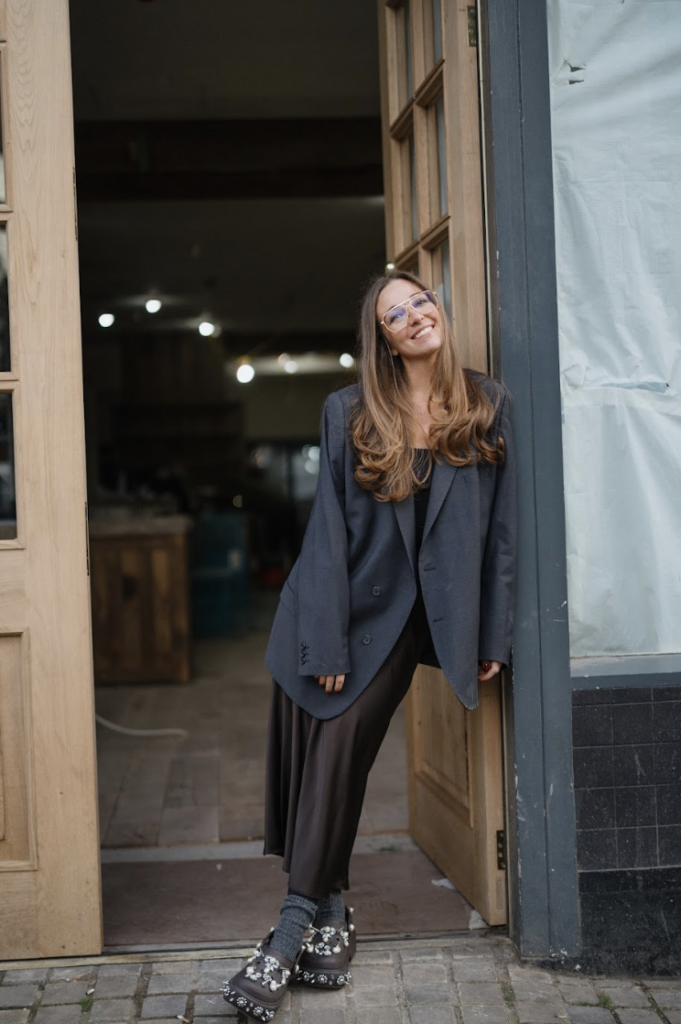
Restaurants have a powerful ability to tell stories. When you walk through the door, we have a story for you — in fact, many layers of it. From how a dish was created and which region it represents, through people who lived in a particular region, to the way the space itself was designed and how it helps tell that story. For me, if done well, it can be even comparable to theatre or any other form of art where a story is being told. Moreover, people are always interested in people, and stories about food are always deeply personal.”
Anna Andriienko