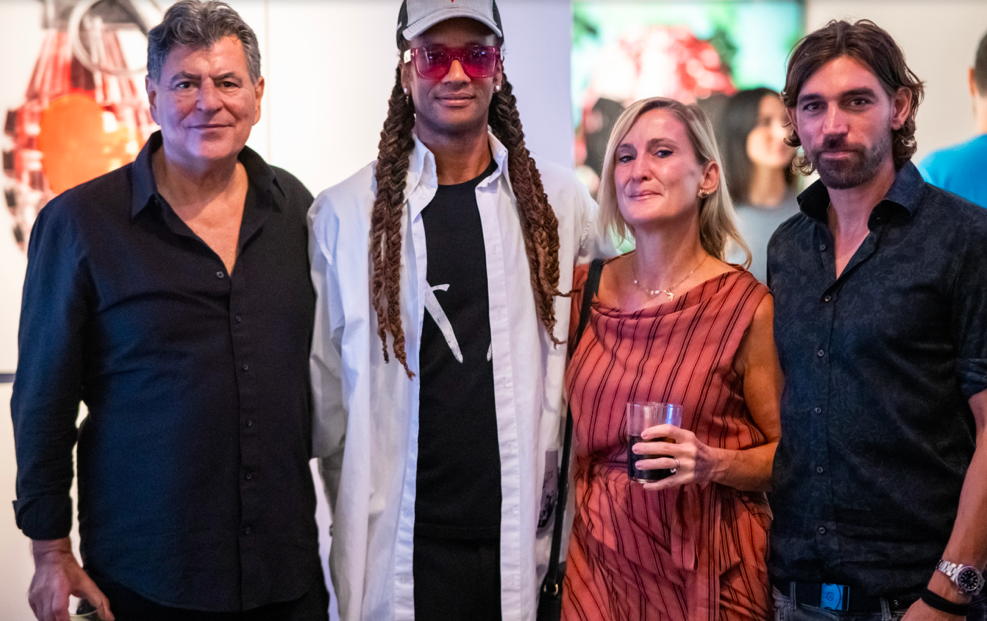


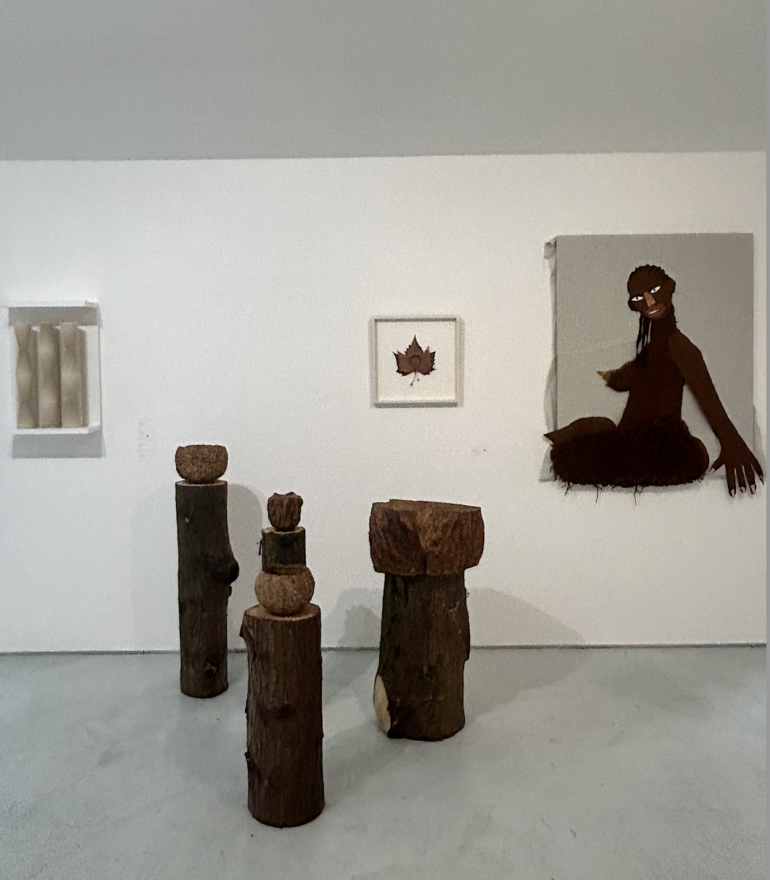
Rock Paper Scissors is a group exhibition at CLOSE Gallery in Somerset bringing together eleven leading contemporary artists to explore imagination, play and material transformation through the lens of slow, considered making. Borrowing its title from the universal playground game, the exhibition distils decision-making into simple gestures, revealing how artistic processes mirror human negotiation, intuition and chance.
Exhibiting artists include Kate MccGwire, Ted Rogers, Susanna Bauer, Alice Freeman, Anya Paintsil, Darren Appiagyei, Hana Moazzeni, Nicholas Lees, Dean Coates, Peter Randall-Page, Amy Stephens and Hew Locke, whose works span sculpture, photography, painting and handmade processes. Together, they form a dialogue between emerging and established voices, united by a shared commitment to material intelligence and craft.
Founded by Freeny Yianni, CLOSE is rooted in an ethos of slowing down the art-viewing experience, an approach that feels particularly resonant within its British countryside setting. Engaging deeply with the local community while maintaining an international outlook, the gallery champions environmentally aware practices and celebrates the time, skill and care embedded in handmade art.
In this edition of Culturalee in Conversation, we speak with Darren Appiagyei, Dean Coates and Amy Stephens, three of the artists exhibiting in Rock Paper Scissors. They share insights into how they responded to the exhibition’s theme, the works they created, and why hand-crafted objects feel increasingly vital in a screen-dominated world. Their reflections illuminate how CLOSE’s philosophy of slow creation, sustainability and material experimentation resonates powerfully within contemporary artistic practice.
Darren Appiagyei
I believe it’s extremely important to hold onto traditional skills, for the next generation of makers. As a maker it’s simply not just about making and selling work but it’s important to create legacy to help others and usher the next generation of makers.” Darren Appiagyei
How did you respond to theme Rock Paper Scissors?
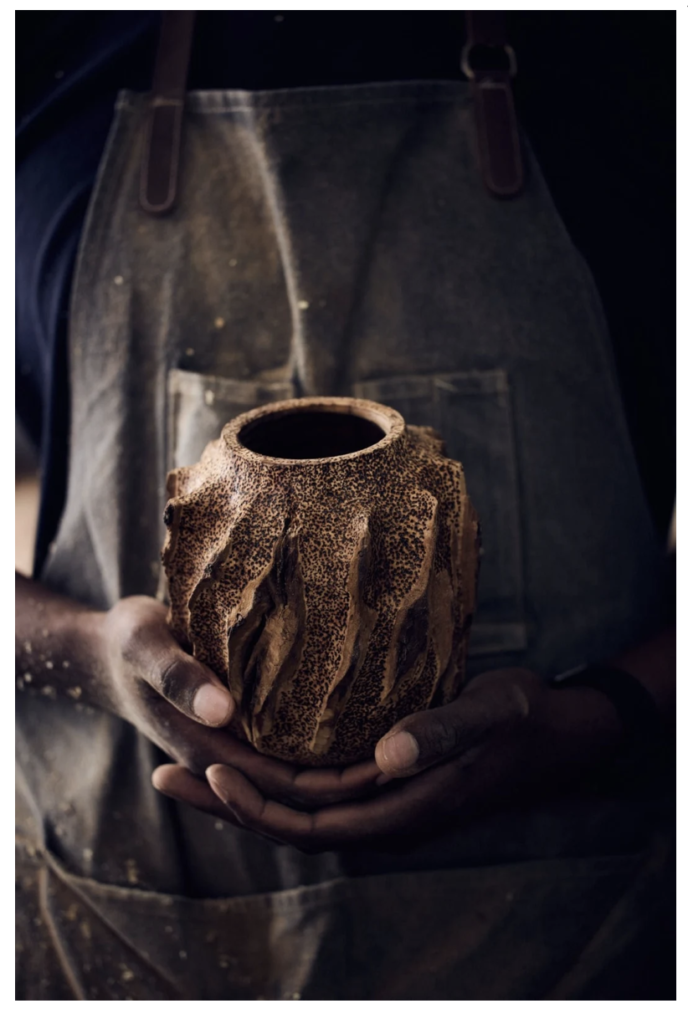
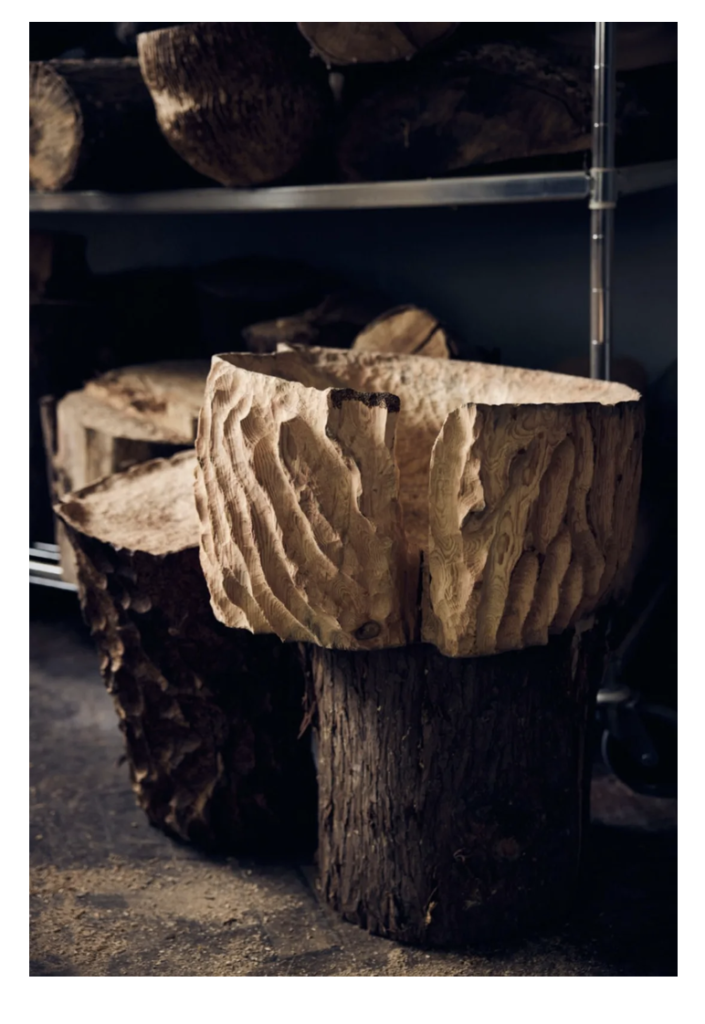
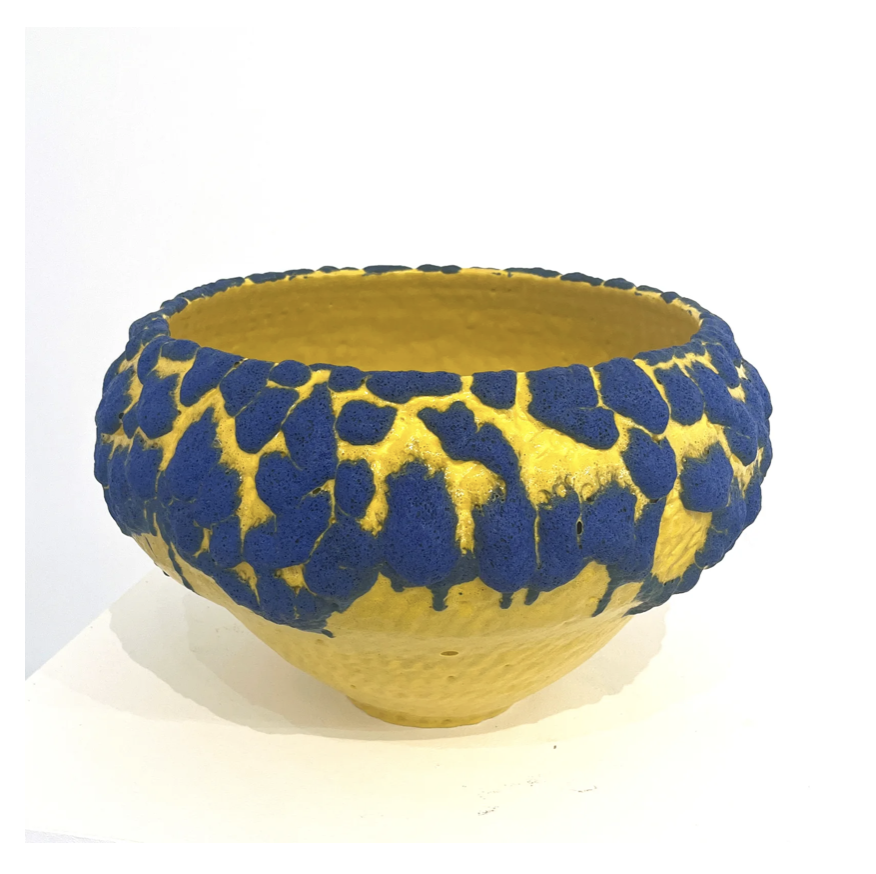
When I think about Rock, Paper, Scissors I think about play, about an adventure. Play is a consistent theme with in my practise, when carving into timber using a lathe and hand tools such as chisels and gouges, it’s a collaboration between the timber as certain details such as a grain or knot, it’s a collaboration between me and the timber as I go on a journey of discovery as I work into the work patiently . The vessels showcasing at CLOSE Ltd are created out of curiosity with each vessel burned dot by dot using a pyrography machine to showcase the transition of tone in the wood working in a variety of woods from pine to beech.
In an increasingly screen-obsessed, filtered world where AI and fake news are dominant, do you feel it’s more important than ever to hold onto traditional skills and continue to create hand-crafted objects and works of art?
I believe it’s extremely important to hold onto traditional skills, for the next generation of makers. As a maker it’s simply not just about making and selling work but it’s important to create legacy to help others and usher the next generation of makers. I believe if we don’t use traditional skills and don’t promote the skills, we have developed we will simply lose it. Being a Craft maker is more than just being a maker but it’s about being a communicator and upholding values you hold dear and maintaining skills developed are passed on especially in an era where we have many technological advances.
CLOSE embraces a philosophy of slow creating and slow, environmentally aware living. Do you feel you embody this ethos in your own practise?
One of my values I hold dear is not rushing my making process but taking my time to examine details such as the wall of my vessels, texture and grains. My making process is gradual, it’s a therapeutic session which I cherish and I hope it speaks in the details of my work. Nothing is built in a day, everything I create is a journey of exploration, play and an opportunity to develop my skills further in order to inspire.
Dean Coates
Ceramics can be a challenging medium for someone for an impatient maker like myself. Working with clay makes me slow down. Building, drying, firing, and glazing all unfold in their own time. The process itself is mindful, continually asking me to pause, pay attention, and move at the material’s rhythm.” Dean Coates
How did you respond to the theme of Rock Paper Scissors?
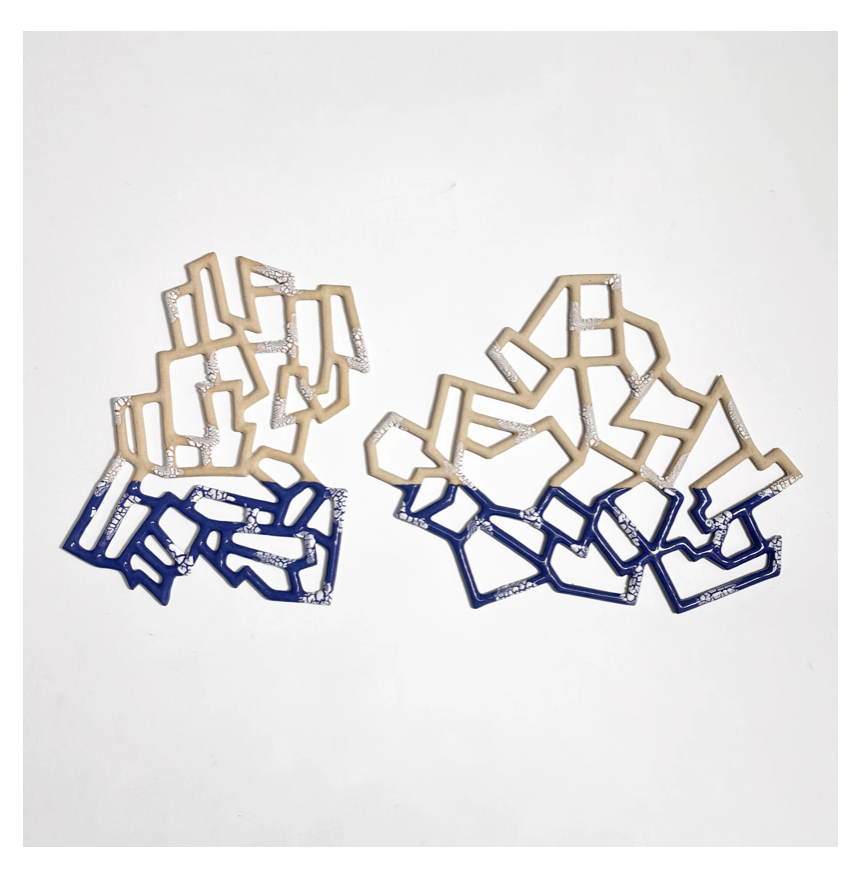
My practice is rooted in ceramics, and because clay is made by the weathering and erosion of rock, it connects naturally to the exhibition’s title. For this show, I created a wall-hanging diptych titled Mineral Traces. Each piece is essentially a drawing: I extrude clay coils, cut them, and reassemble them into linear compositions based on the crystal structures found in mineral specimens — a way of translating a three-dimensional form into a two-dimensional image. The surface is finished with a crawling glaze that fractures during firing. I think of the work as a collaboration between material, alchemy, and myself.
In an increasingly screen-obsessed, filtered world where AI and fake news are dominant, do you feel it’s more important than ever to hold onto traditional skills and continue to create hand-crafted objects and works of art?
Material intelligence is the understanding makers develop through long, hands-on engagement with a material — an intelligence built through touch, sight, and physical interaction. This sensory knowledge is largely absent in the digital realm, where the closest equivalent might be the keyboard. Collectors feel a similar pull: in a world saturated with screens, they seek the experience of holding, touching, and sensing objects. It would be a loss to let our sensory connection to physical things fade.
At the same time, I’m deeply interested in artistic processes that merge tangible materials with digital tools. CAD, scanning, 3D printing, and virtual and augmented reality are all pioneering methods that play an increasingly important role in how objects are conceived and made.
CLOSE gallery embraces a philosophy of slow creating and slow, environmentally aware living. Do you feel you embody this ethos in your own practice?
Very much so. Ceramics can be a challenging medium for someone for an impatient maker like myself. Working with clay makes me slow down. Building, drying, firing, and glazing all unfold in their own time. The process itself is mindful, continually asking me to pause, pay attention, and move at the material’s rhythm. In that sense, it aligns closely with the ethos of slow, environmentally aware creating.
Amy Stephens
My artwork is rooted in the landscape offering a process-driven practice that invites viewers to reconsider their own bodily relationships to the land under their feet. Architecture tends to infiltrate the objects and works on paper I create forming a co-dependency and spatial re-engagement with the land around us.” Amy Stephens
How did you respond to the theme of Rock, Paper, Scissors?
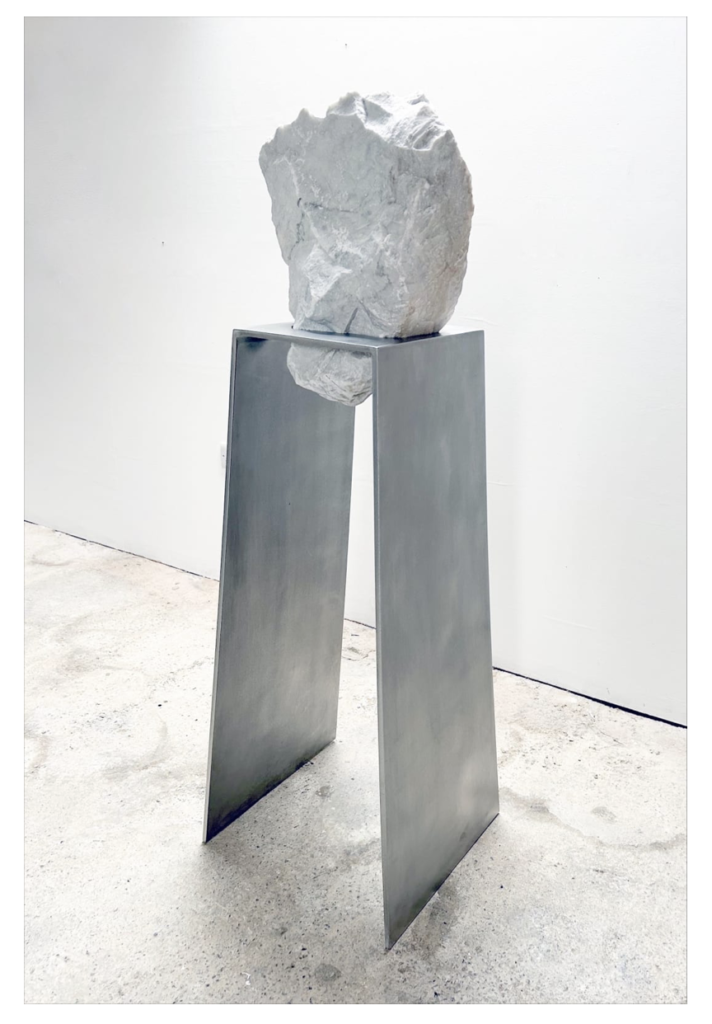
For me, the theme generated images of geology, new forms and playfulness. Recent works draw on the poetic potential of re-siting geological artefacts into new contexts. Therefore, I first responded with the sculpture Bianco Matter. The artwork is made from a piece of white marble presented to the viewer as an object of stability. There is a performative element with the rock being collected from a quarry in Italy as it was originally being discarded as surplus. Set upon a modern stainless-steel pedestal, there a bond between the natural and the constructed. There is also an act of grounding and reconnecting with the earth offering a subtle immersion in motion, transformation and balance.
In an increasingly screen-obsessed, filtered world where AI and fake news are dominant, do you feel it’s more important than ever to hold onto traditional skills and continue to create hand-crafted objects and works of art?
Yes, absolutely, as art is normally a participatory act that is present during the making process but also again when on display. Traditional skill making is more important than ever as it offers a personal insight into the artist’s hand and often creates new opportunities for working alongside other local artisans.
CLOSE gallery embraces a philosophy of slow creating and slow, environmentally aware living. Do you feel you embody this ethos in your own practice?
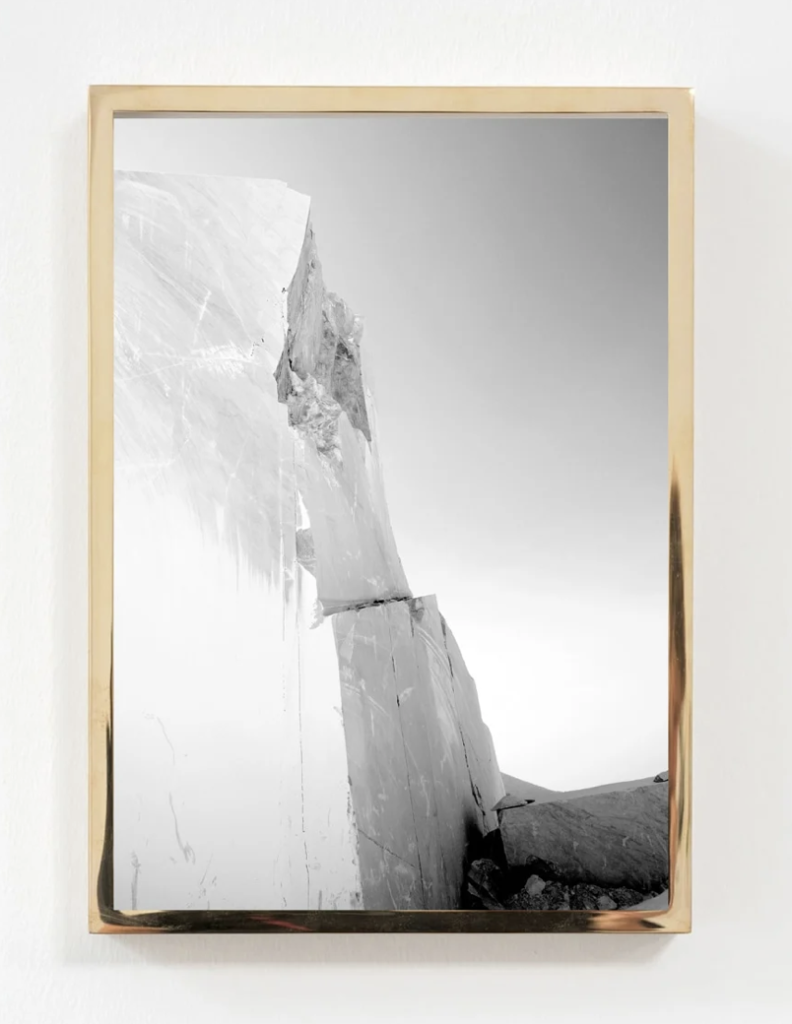
I embody this ideology at the front end of a project as ideas always take time to come to fruition. In this exhibition and throughout my practice, nature is presented as a stage using minimalist interventions where moments in time and environmental phenomena collide and interact. My artwork is rooted in the landscape offering a process-driven practice that invites viewers to reconsider their own bodily relationships to the land under their feet. Architecture tends to infiltrate the objects and works on paper I create forming a co-dependency and spatial re-engagement with the land around us.
Rock Paper Scissors is at CLOSE, Hatch Beauchamp, Somerset until 17th January, 2026