

In this exclusive Culturalee Innovators interview, artist Helmut Smits and KesselsKramer art director Tristan Roques discuss Every Piece Counts, an ambitious artistic intervention transforming Dutch landscapes into large-scale public art. Conceived by independent creative agency KesselsKramer in collaboration with Smits and architecture and engineering consultancy Sweco, the project reimagines public space as a canvas where abstract art, architecture and advertising intersect.
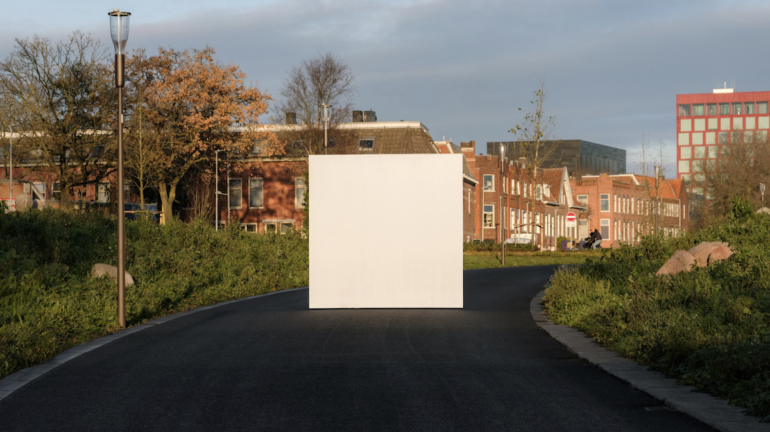
At the heart of the Dutch campaign lies a simple square, placed with precision across locations from Amsterdam to Moerdijk and demonstrating how even the smallest intervention can reshape how we see the Netherlands. Brought to life in a series of films created with cinematographer Bart Hoveijn, Every Piece Counts explores how public art can shift perception, elevate everyday environments, and embody Sweco’s belief that every centimeter matters in building a more beautiful and sustainable future.
The project was conceived to demonstrate KesselsKramer’s new brand positioning for Sweco, Europe’s largest architecture and engineering consultancy. Every Piece Counts emphasizes the importance of every centimeter in creating a more beautiful and sustainable Netherlands, while also underlining Sweco’s decentralized way of working.
Known for incisive, witty, and socially reflective interventions, Helmut Smits was embedded within the KesselsKramer team and collaborated closely with art-director Tristan Roques. Together, they used public space as a canvas, turning everyday locations into communication. Each square embodies Smits’ philosophy, demonstrating how small, deliberate gestures can have outsized impact, while also reflecting KesselsKramer’s visually driven, slightly surreal creative language.
Culturalee got some insights from Smits and Roques into the creative conception and execution of the campaign.
Every Piece Counts began with a deceptively simple idea: the square. Can you walk us through how the project was first conceived, and how that abstract starting point evolved into ten site-specific works embedded in real public environments?
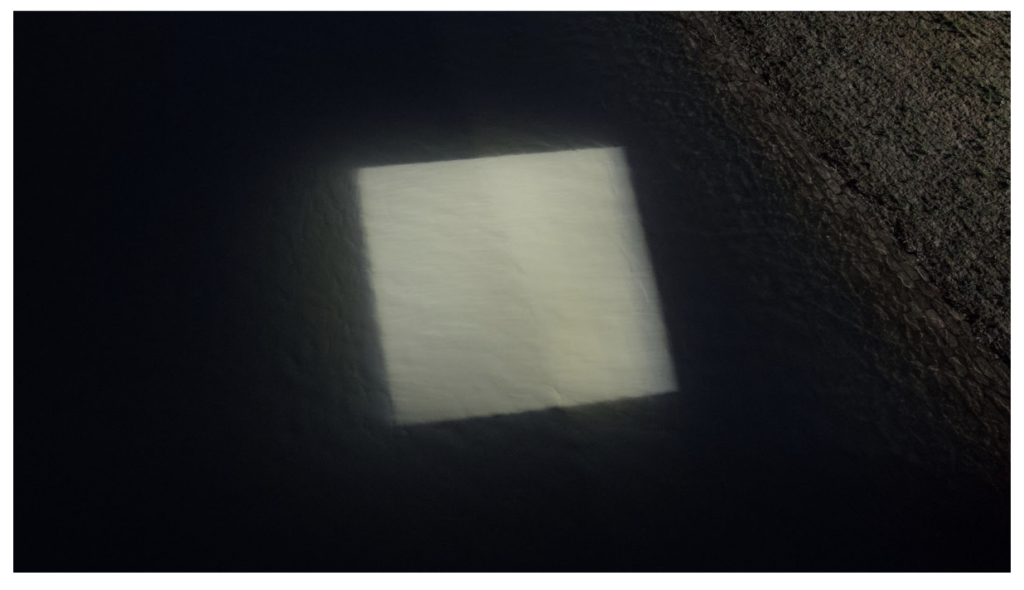
Tristan Roques: The assignment was rather complicated: making a campaign for a company that not many people outside the industry know (Sweco), within an industry that most people can’t relate to (engineering and architecture). Therefore the output had to be simple, and we ended up with a square. This became a metaphor for talking about ‘pieces’ – instead of ‘urban planning’ or ‘mobility’. We involved artist Helmut Smits to make ten site-specific ‘pieces’ that made Sweco’s projects tangible.
This project sits at a rare crossroads between public art, architecture and advertising, shaped through close collaboration with Sweco. How did working with an architecture and engineering consultancy influence both the artistic decisions and the communication strategy behind the work?
Tristan Roques: During an average day you almost forget how many of the things around us are designed, engineered and constructed. The road you use on your way to work, or the building you live in. During the project we discovered many of the things we use, see or pass every day were made, in part, by Sweco. That gave us a large catalogue of projects to choose from, giving us creative freedom to pick projects that matched well with Helmut’s ideas.
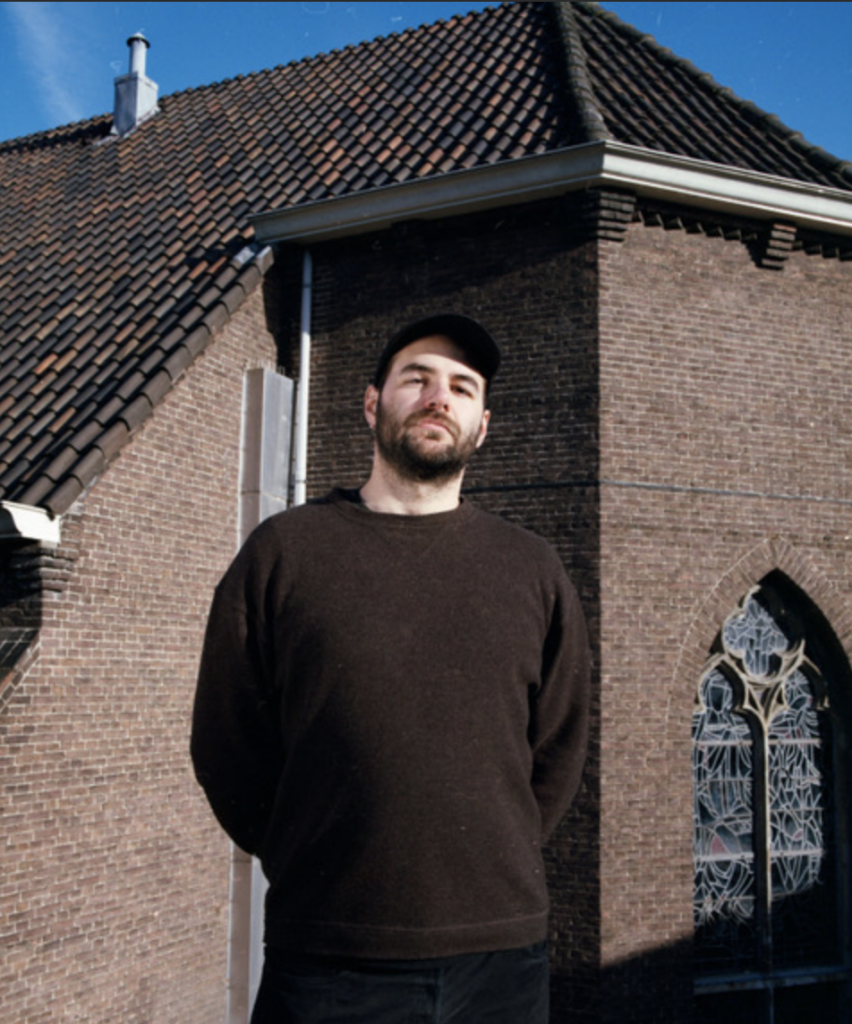
Helmut, your practice often intervenes subtly in everyday spaces, while Tristan, your work at KesselsKramer is rooted in visual communication. How did embedding an artist “in the kitchen” of the agency change the way public space was approached, not as background but as the message itself?
Tristan Roques: Visual communication often has a goal to idealise things, making them appear better than they actually are. However, art doesn’t have that goal, and can therefore feel more honest. That’s why we wanted to involve Helmut early into the project. His goal was to create interventions, focussing on creating an interesting dialogue with public space. Not necessarily to make ‘communication’. This has led to output that feels a lot more sincere.
Helmut Smit: For me working in the kitchen of KesselsKramer was no different than how I normally work. KesselsKramer gave me all the freedom and I think that everybody involved was giving the freedom to play their part. I think you feel this also in the visual outcome.
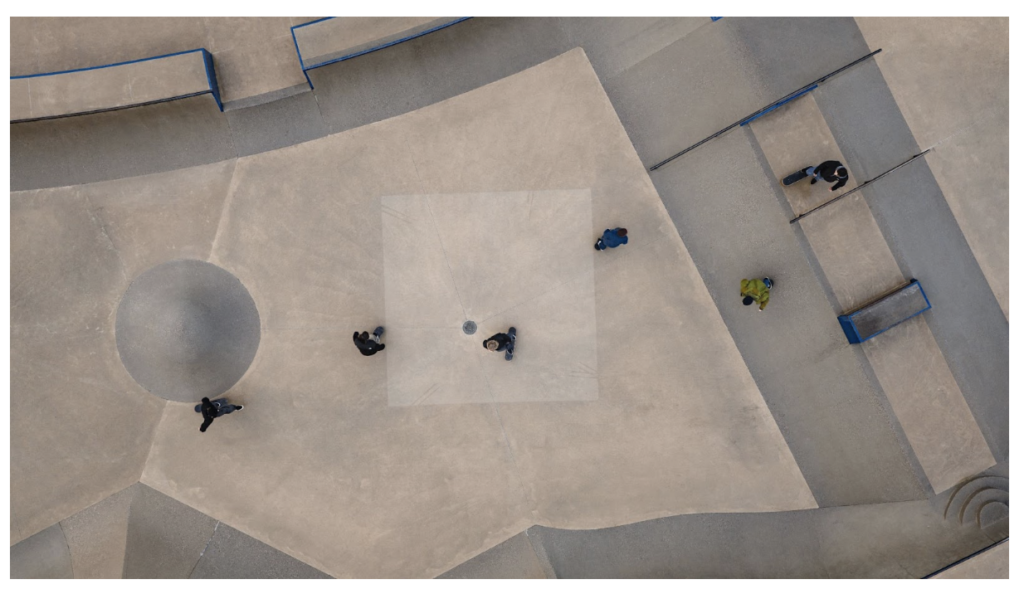
The artworks are extended through films created with cinematographer Bart Hoveijn. What role did film play in translating these static, site-specific interventions into a narrative, and how did you decide what the camera should reveal or leave unsaid?
Tristan Roques: The artworks of Helmut were the main character in the films. Even if some scenes focussed on human interactions, the artworks had to be seen in every shot. That was the only limitation we gave Bart, other than that he had freedom to bring the artworks alive in his own way. Bart has a background in documentary filmmaking. Therefore he was able to bring a sense of realism, instead of just making images that were visually striking.
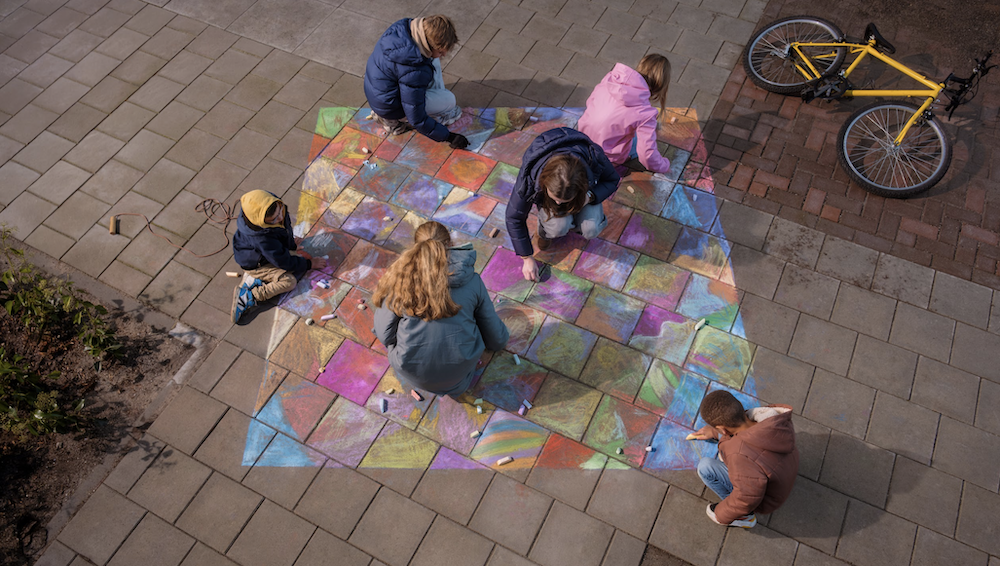
Tristan, I’m interested in the architecture industry’s reliance on renders and generic statements. How does Every Piece Counts challenge those conventions, and what does it suggest about new ways architecture and engineering brands can communicate?
Tristan Roques: For an industry that plays such an important role in our daily lives, their communication tends to feel extremely distant. Our goal was to make it more personal, by talking about ‘pieces’. We stayed away from generic terms like ‘mobility’, instead talking about ‘the piece of road you use to get to work’. That instantly makes it more personal.
At its core, the project invites people to look differently at familiar places in the Netherlands, from Amsterdam to Moerdijk. How do you see public art functioning as a tool for reframing national identity, and what kind of “new way of seeing” do you hope audiences take away from Every Piece Counts?
Tristan Roques: I think artistic interventions, especially in everyday environments, can make you re-notice familiar surroundings. This can be the park you walk your dog in. Or the river that runs through your city. Artistic interventions can make you notice them again, and hopefully makes you think about what that ‘piece’ means to you. I don’t think our goal is to reframe national identity, but helping people rediscover joy, awareness or even responsibility for a small piece. That would already be a success to us. Because all those small pieces together add up to something bigger.
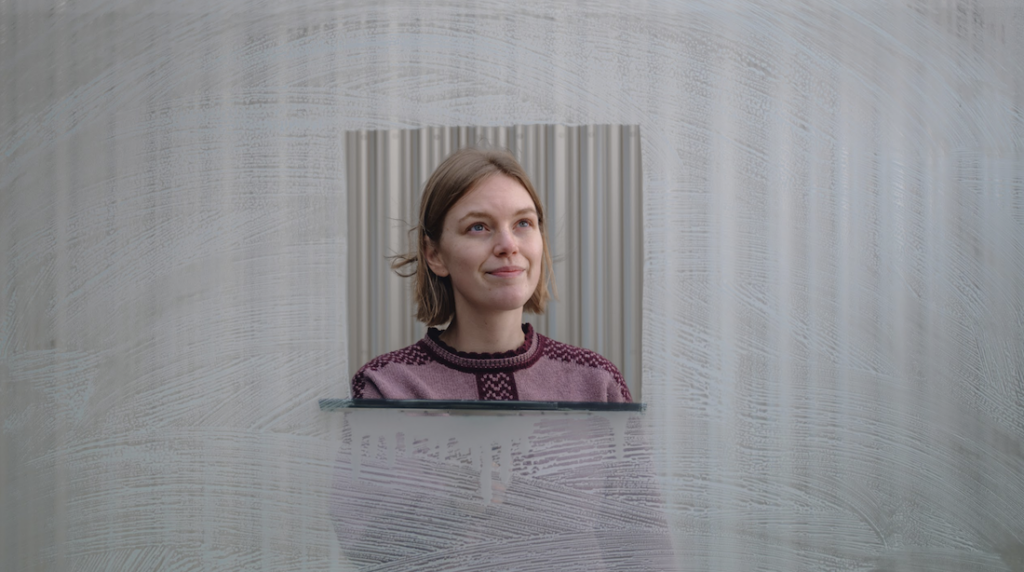
Tristan, can you share some insights about KesselsKramer for an art audience, what is the company about, why is it different and considered iconic? Does the company foster an artistic mindset and how does that play out?
KesselsKramer makes advertising for people that don’t like advertising. We make communication that is meaningful, honest, witty, and most importantly: doesn’t underestimate its audience. This attitude has led to iconic campaigns like The Worst Hotel in the World for Hans Brinker Budget Hotel, and to collaborations with artists beyond advertising. After all, people rather look at art than ads.
All images Courtesy Helmut Smits x KesselsKramer.
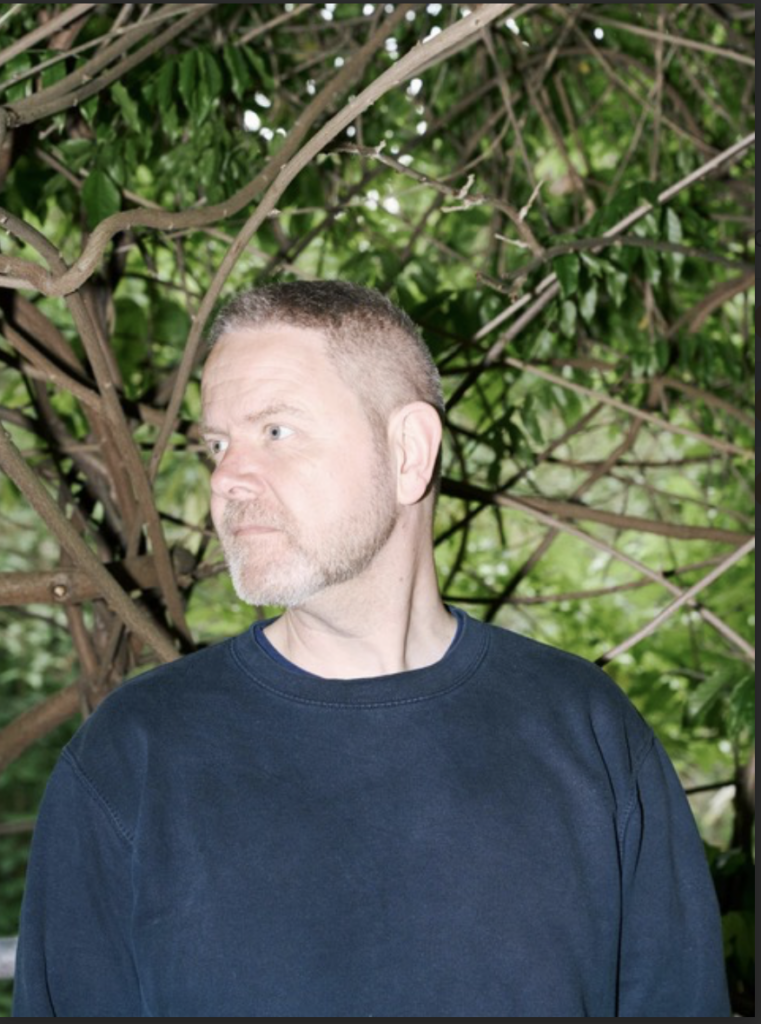
It was a real pleasure working with the KesselsKramer team. They trusted me completely and gave me the creative freedom to do what I do best. Everyone brought their own strengths to the table, which I think really comes through in the final result.” Helmut Smits