


Portuguese photographer Gonçalo Cunha de Sá occupies a compelling space between documentary fidelity and symbolic play. His work resists easy categorisation, moving fluidly from socially engaged portraiture to conceptual imagery that interrogates contemporary identity. What unites these seemingly disparate approaches is a consistent ethical commitment: photography as a form of witnessing, one that preserves lived experience, questions social structures, and honours human resilience. Across projects such as Seven Skirts, his black-and-white photographs of Portuguese fishermen, and the recent In a Barbie World series, Cunha de Sá constructs a visual language rooted in empathy, cultural memory, and quiet criticality.
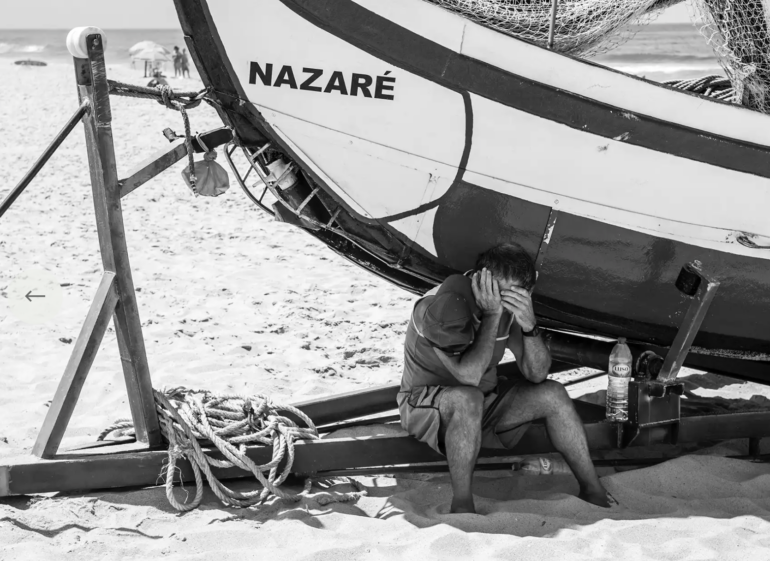
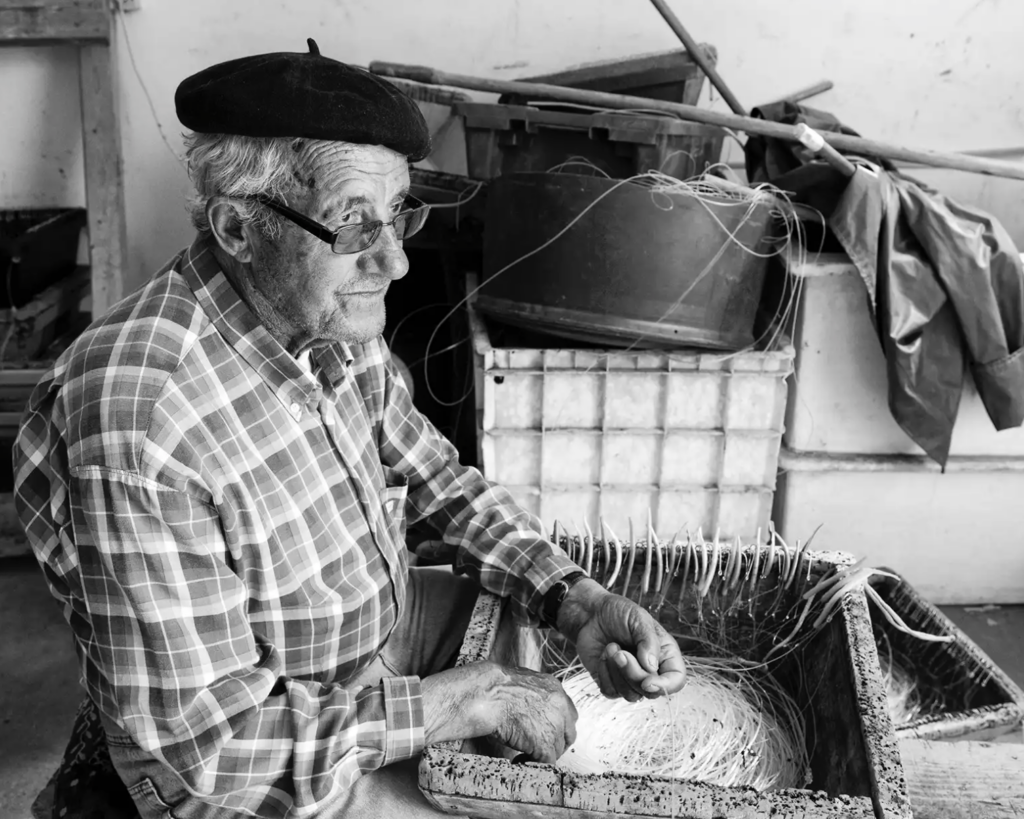
At the heart of Cunha de Sá’s documentary practice lies an acute awareness of disappearing traditions. His photographs of fishermen along the Portuguese coast are neither nostalgic Romanticisms nor overt political polemics. Instead, they function as testimonies. Portugal’s national identity is historically bound to the sea, celebrated in its anthem and mythology, yet Cunha de Sá’s images expose the fragility beneath this heroic narrative. The fishermen he photographs inhabit a precarious present shaped by industrial trawling, environmental degradation, and economic marginalisation. Rendered in black and white, their faces and gestures are stripped of distraction, foregrounding labour-worn bodies and a quiet dignity forged through endurance. The choice of monochrome is not merely aesthetic; it situates the images within a continuum of social documentary photography, aligning Cunha de Sá with figures such as Sebastião Salgado and Eve Arnold, while heightening emotional gravity and temporal ambiguity. These photographs feel both contemporary and archival, providing visual records of a way of life on the brink of erasure.

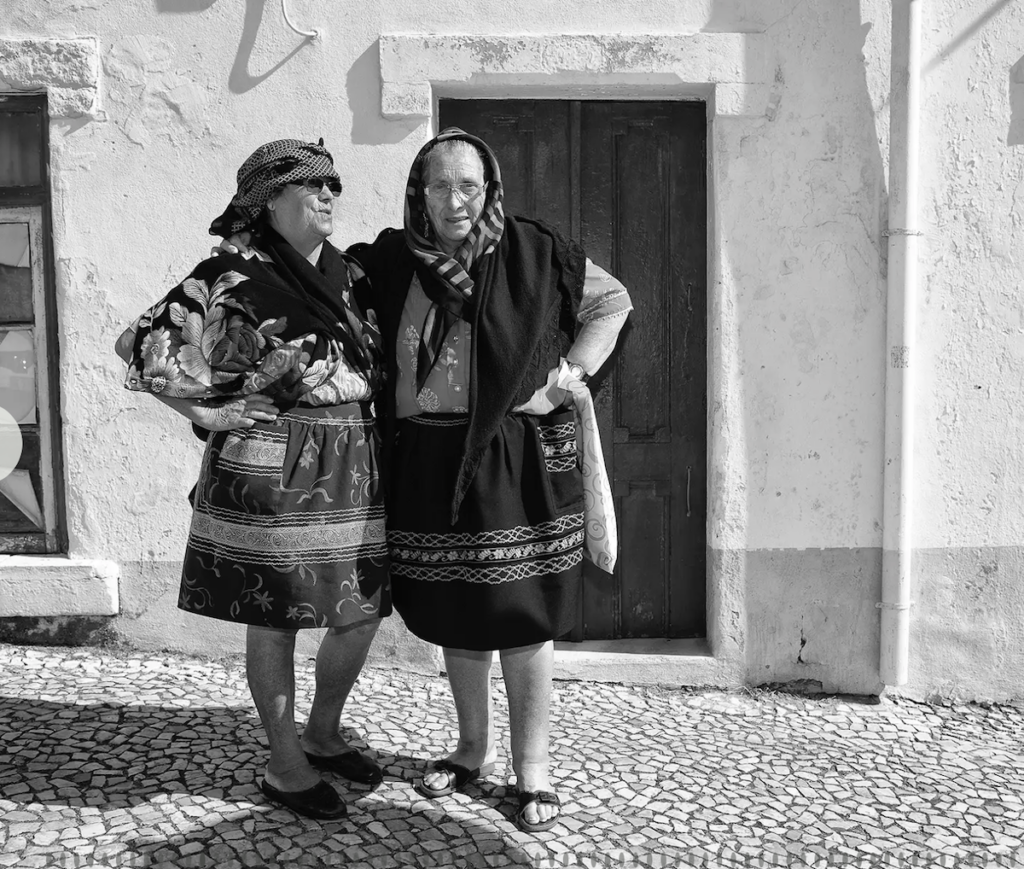
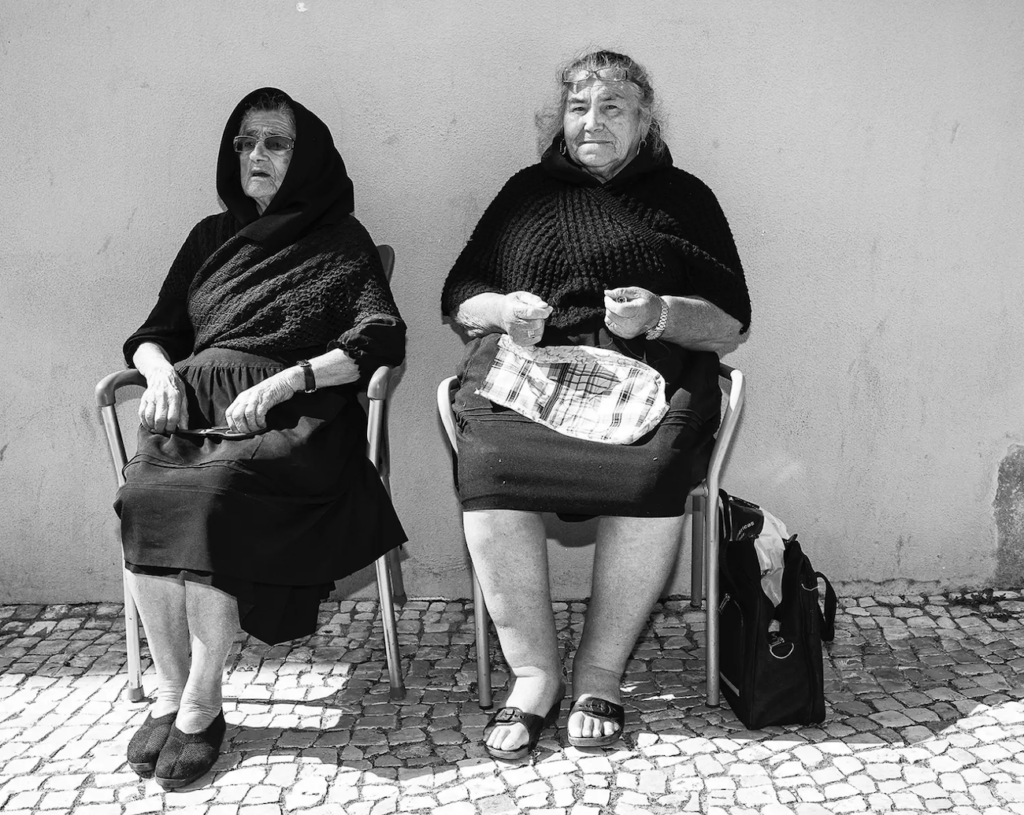
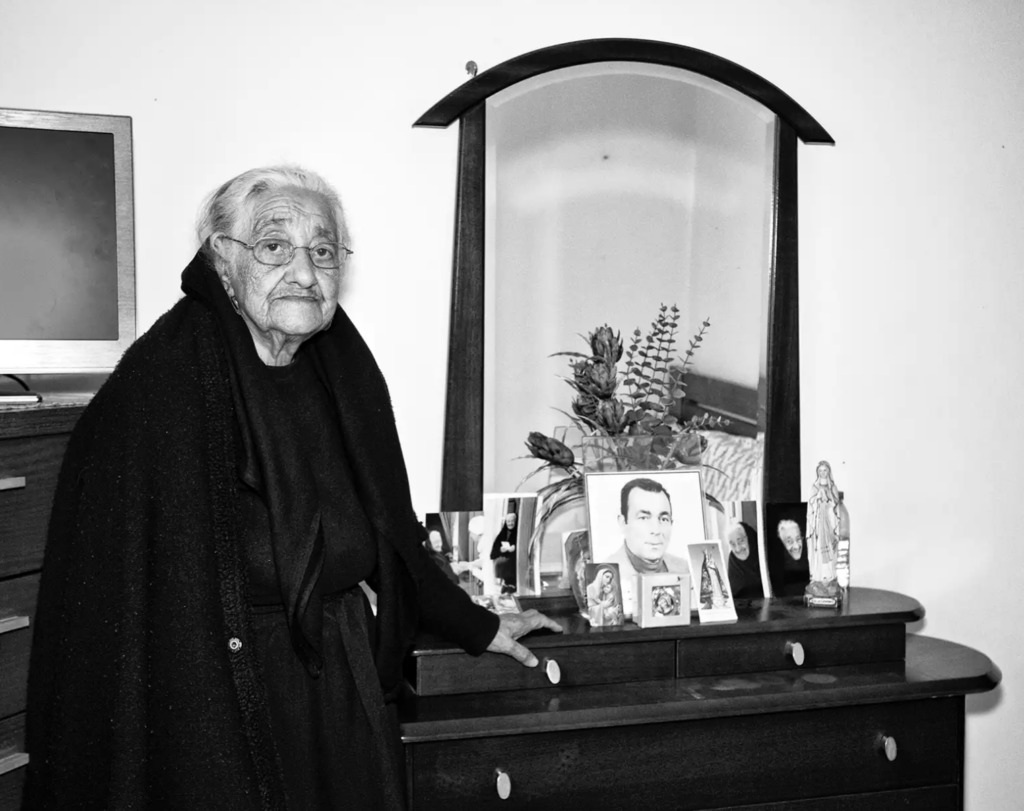
A similar impulse drives Seven Skirts, Cunha de Sá’s series documenting women in Nazaré who continue to wear the traditional layered skirts that once defined local female identity. Predominantly widows, these women are living repositories of folklore, faith, and communal memory. Cunha de Sá’s portraits move beyond ethnographic documentation; they invite reflection on gender, ageing, and visibility. The seven skirts – rich with symbolic interpretations ranging from religious belief to maritime ritual – become visual metaphors for accumulated histories and layered lives. Cunha de Sá approaches these subjects with reverence rather than sentimentality, allowing their expressions and posture to assert agency. As he acknowledges, soon only photographs will bear witness to such customs. In this sense, Seven Skirts is not simply about preservation, but about responsibility: the photographer as custodian of living heritage, tasked with recording without exploiting, honouring without fossilising.
What distinguishes Cunha de Sá’s practice is his refusal to remain solely within the documentary tradition. This is most evident in In a Barbie World, a series that initially appears at odds with his ethnographic concerns. Exhibited at Boomer Gallery in London in early 2026, the Barbie image adopts a playful, surreal tone, drawing on the photographer’s deep admiration for Surrealism, in particular the work of René Magritte. Yet beneath its bright symbolism lies a pointed social critique. Barbie, as a global cultural icon, embodies contradictions: empowerment and constraint, aspiration and artifice. Cunha de Sá uses the doll as a lens through which to examine human fragility, ego, and the constructed identities we perform for society. The series interrogates how ideals are manufactured and internalised, especially in an era saturated with visual culture and self-curation. While markedly different in form, In a Barbie World extends the same ethical and anthropological inquiry found in Cunha de Sá’s documentary work.
Across these bodies of work, Cunha de Sá’s identity as a storyteller remains central. His influences – from Henri Cartier-Bresson’s decisive moments to Elliott Erwitt’s humanist wit and Yosef Karsh’s psychological depth – are evident not as stylistic mimicry but as guiding principles. Observation, patience, and respect underpin his approach. Whether photographing fishermen, elderly women, or symbolic figures, Cunha de Sá positions photography as a dialogue rather than an act of extraction.
In an age dominated by speed, colour, and digital excess, Gonçalo Cunha de Sá’s work offers a counterpoint: images that slow the viewer down, insist on looking closely, and acknowledge photography’s power to hold memory against the inevitability of change. His photographs do not claim to halt disappearance, but they refuse to let it pass unnoticed.
Follow Gonçalo Cunha de Sá here.
All images Copyright Gonçalo Cunha de Sá.