
As artists continue to navigate shrinking funding opportunities, increasing competition and ever-changing digital landscapes, All The Artists is offering a fresh approach to creative support. Launching this summer, the new U.S.-based discovery platform and collective fund has been created to help artists gain greater visibility, build meaningful connections and access fair, community-powered funding—without applications, juries or gatekeepers.
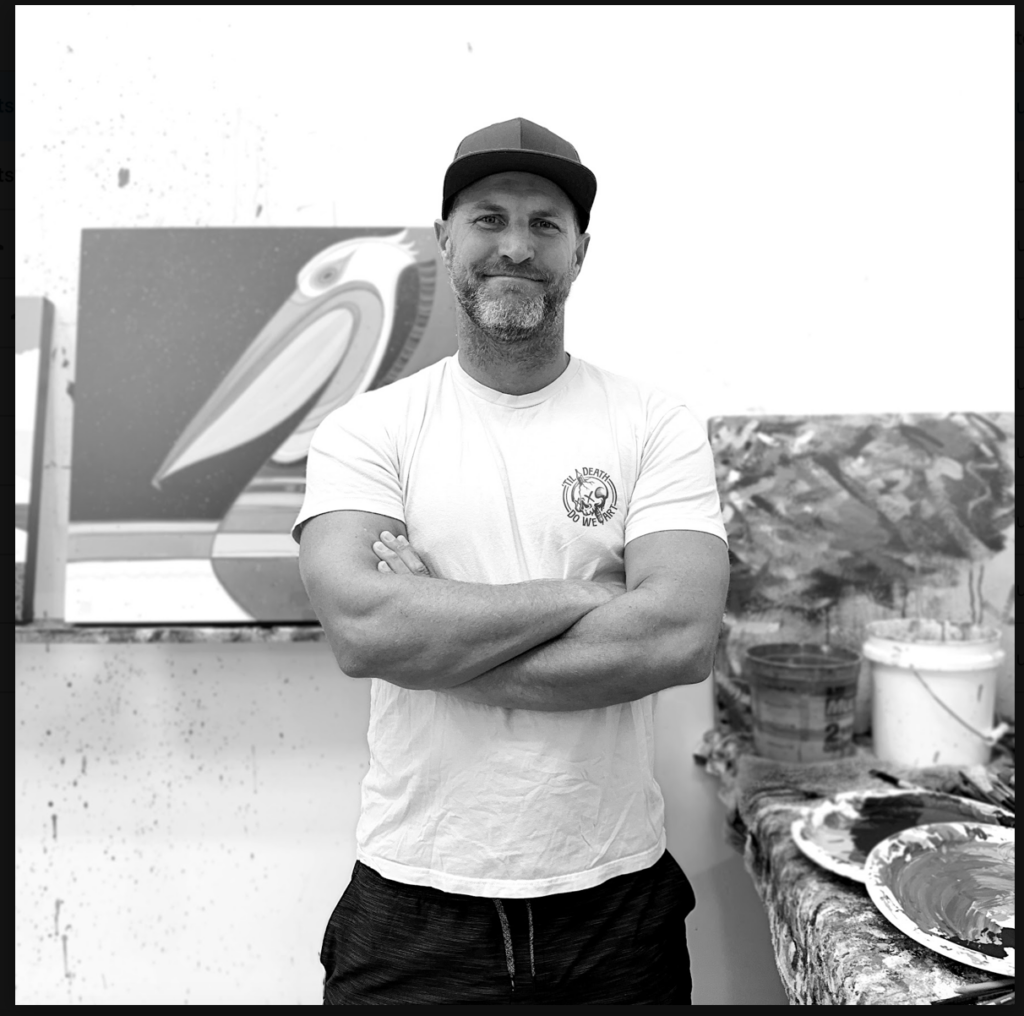
Erik Abel – Co-Founder of All The Artists (photo courtesy of All The Artists)
Founded by professional artist Erik Abel and entrepreneur Philip Gomez, All The Artists combines a free public directory with an innovative member-funded Collective Fund that redistributes a significant portion of membership fees back to artists each month through unrestricted cash awards. Designed for creatives across disciplines—from visual art and music to literature, performance and design—the platform champions a simple yet ambitious vision: artists supporting artists.
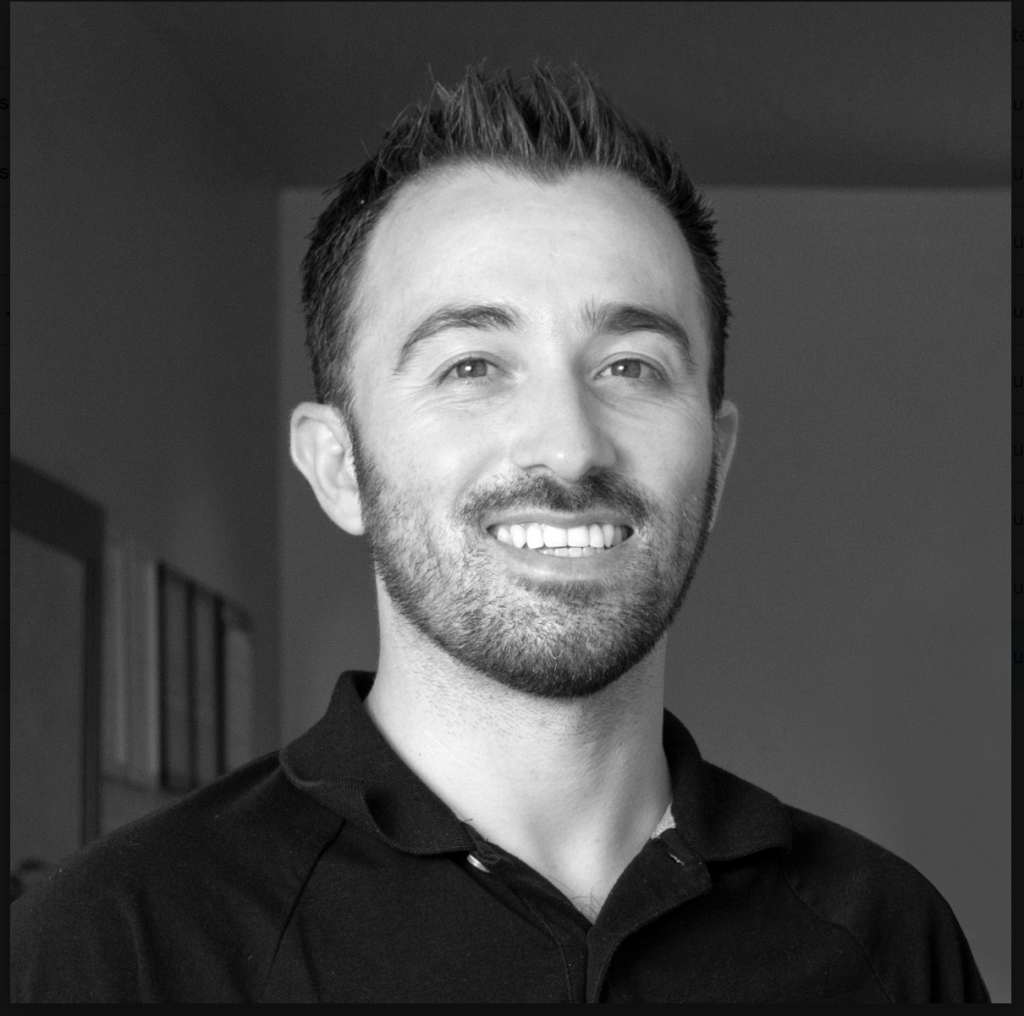
Philip Gomez Co-Founder of All The Artists ( photo courtesy of All The Artists)
Unlike traditional social platforms, All The Artists is intentionally designed to function more like a searchable creative network. Artists across disciplines—from painters and musicians to writers, performers and comedians—can connect with other creatives and become eligible for funding opportunities.
In this interview with Culturalee, Abel and Gomez discuss the inspiration behind All The Artists, why they believe the traditional models of arts funding need rethinking, and how they’re building a transparent, community-driven ecosystem designed to help creatives thrive together.
All The Artists is a new discovery platform and collective fund. How did you arrive at this concept and decide now is the time for its role in the creative field?
Erik: The concept for All the Artists was one of those bolt-of-lightning ideas in the middle of the night. I’ve been a full-time artist for over 25 years, and over the last several years, I’ve really been burned out on the hustle. This idea was inspiring because it offered a way to break out of my personal art-career bubble and actually create something that benefits other artists and the art world in general.
The timing felt right because funding and support for the arts are under attack right now. So many artists seem to be struggling. A lot of platforms seem to be just greedy, ad-hungry places that don’t put the artist first. It’s time for something built solely for the benefit of the artist, and to get back to the basics of offering a place where every type of artist has an equal chance at visibility and funding.
Philip: After Erik’s late-night lightning bolt idea, he called me because he knew I could help turn the concept into a real, scalable platform. My background is in operations, customer experience, and technology, so I immediately started thinking about how we could build something that was simple for artists to use, valuable to the public, and capable of growing over time.
The more we talked, the clearer it became that artists needed more than another social profile or marketplace. They needed a place built around discovery, visibility, connection, and direct support. That is where All The Artists started to take shape.
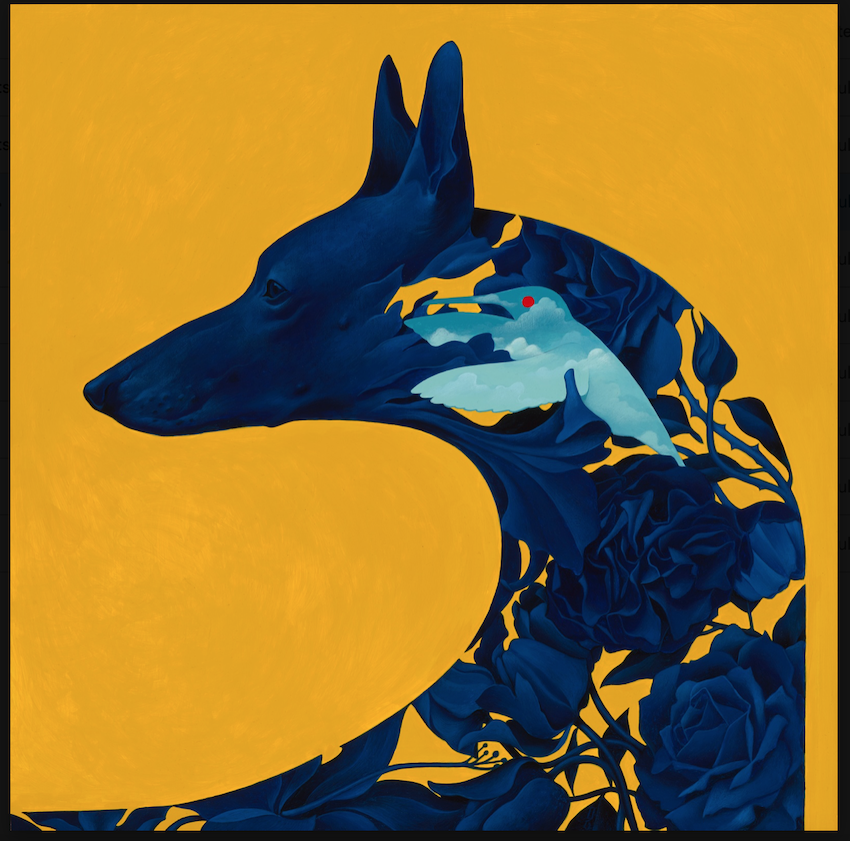
Gustavo Rimada – Ventana AI Cielo – Courtesy of the Artist
Erik, as a practicing artist, were there any specific experiences that sparked early ideas for creating All The Artists?
Erik: Over the course of my career, in every city I’ve lived in, I always wished there was an easy way to find my local artist crew. The idea of a central place to find every kind of creative is really the crux of what we’re doing. We’re building the search engine of the art world. Social media and Google are a mess for this kind of stuff right now. There are so many ads and algorithms in the way of simply finding what you are looking for. The filters for drilling down to exactly what you are looking for just don’t exist.
Imagine a place where a gallery director can search for women figurative oil painters within 100 miles for a group show, or somebody looking for a local House DJ to play at their event, or somebody looking for a ceramic artist who teaches online courses, or an artist looking for other artists their age in the same city.
Many directories or artist platforms cater only to a specific genre or art discipline. And many are gatekept and cherry-picked. We wanted to level the playing field and allow all types of artists to have an equal opportunity. All visual artists, performers, writers, and musicians…the entire creative spectrum.
As far as our monthly funding program, The Collective Fund, this was part of that initial bolt of lightning: the powerful concept of a community of artists supporting each other. When we bring the entire creative fam together, and everybody pitches in a little, we support a whole lot of artists in the fairest way possible.
Artist funding can seem so out of touch or unattainable for so many creatives. Not everybody has work that fits the mold of the traditional funding world. Or they may not have the confidence, time, or resources to apply for a bunch of grants. This is where I think The Collective Fund shines. We select artists at random so every single artist has an equal chance at funding each month. We don’t have a judging panel telling them their art is worthy enough or not. We don’t limit it to a certain discipline or put restrictions on how the money is spent. We trust that artists know how best to use these funds. We believe that creating art is the only qualification required to deserve access to real funding. Whether you’re a seasoned oil painter with gallery representation, a struggling standup comic on the road, or a single mother who’s making some jewelry as a side hustle, you have the same shot at funding for your art practice.
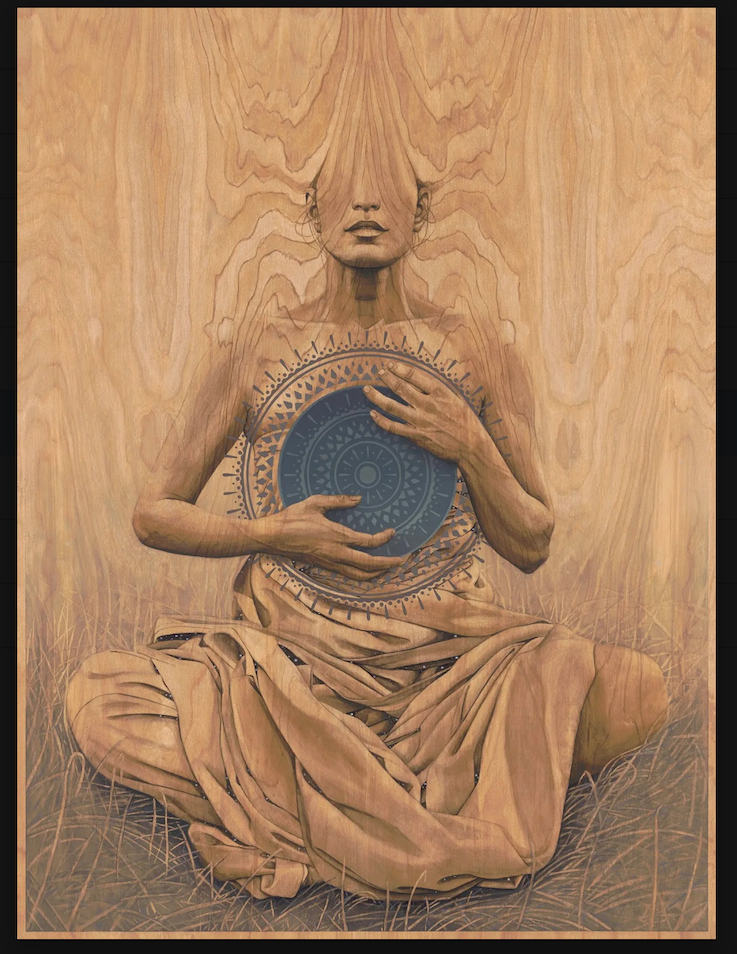
Miles Toland – Window – Courtesy of the Artist
Erik, you’ve mentioned you were “burned out” on the constant hustle for attention as an artist. What are some of the biggest hurdles creatives face today?
Erik: Yes, burnt to a crisp. It’s an exhausting pursuit to promote yourself and your art your whole life, but it’s all I know. I am grateful, and lucky, to have been able to support myself through my art for so long. A career in the arts definitely has its fair share of challenges.
The reason I created this company was to help with three big issues I think artists face: getting enough exposure, connecting with community, and cash.
An art career is really a numbers game; the more eyeballs you can get to see your work, the more work you will sell or more doors will open for you. We want to make it as easy as possible for people to search and discover the type of artist they are looking for.
I also think a lot of us underestimate the importance of community. Many artists spend time alone, working on their practice. And creative people are weirdos. We need to cultivate a community of other weirdos who understand, encourage, and inspire us so we can feel a sense of belonging. Artists need other artists to be around, and they need an easy way to find them.
And lastly, at the end of the day, artists need money to buy the time, the space, the equipment, and materials to keep pursuing their work. There is no getting around this. So many artists are struggling to sell their work right now. The market and the economy are in a really bad place. We’ve created a program that gives every artist the same chance at getting funded. My favorite part about this is that there is no limit to how much we can give each month. As membership grows, so does The Collective Fund. We want to get this to a place where we’re giving $10,000 checks to over 100 artists every single month around the country. Imagine how much that would help people.
Philip, you come from a business background. How has it been teaming up with Erik and having both your backgrounds inform one another in how you approached creating All The Artists?
Philip: Working with Erik has been a natural fit because we both bring a relentless work ethic and a shared belief in what All The Artists can become. We have worked together before, so there was already a foundation of trust and mutual respect.
Our brains are like a Venn diagram. We have a lot of overlap, which helps us be on the same page and work towards a common goal. Where we don’t overlap, we can divide and conquer. Erik brings the perspective of a full-time artist and leads much of the creative direction and marketing. I focus on operations, customer experience, systems, and technology. That balance has helped us build All The Artists as both an artist-first platform and a scalable business.
The traditional gallery model is undergoing disruptions, shifts, or at least more honest conversations about its future. What do you think needs to be addressed or changed?
Erik: The rules have changed. The ability and the power to sell work are now in the hands of the artists. I think that is great. It opens up so many more opportunities for how artists choose to shape their careers. There are a lot more avenues for success now than there were before the internet and social media. That’s why I think All The Artists has an important role moving forward and connecting all of us who are navigating these new opportunities together.
Nature will take its course. New models that work will simply replace models that don’t. Galleries still play (and I think will continue to play) a very important role in many artists’ careers. Galleries that believed in my work have been deeply influential in the success of my career, and I’m very grateful for those relationships.
Philip: I do not think the answer is to replace galleries. Galleries can still play an important role in curation, credibility, relationships, and sales. But the traditional model cannot be the only path to discovery and opportunity for artists.
It is similar to what happened with direct-to-consumer brands. Selling directly gave brands more control and access to their audience, but many still benefited from strong retail partnerships. I see a similar opportunity for artists. Artists should be able to build direct visibility and relationships, while galleries, collectors, curators, and communities can still play meaningful roles around them.
The biggest shift is access. Artists need more ways to be found, and people need easier ways to discover artists outside of the traditional gatekeeping systems.
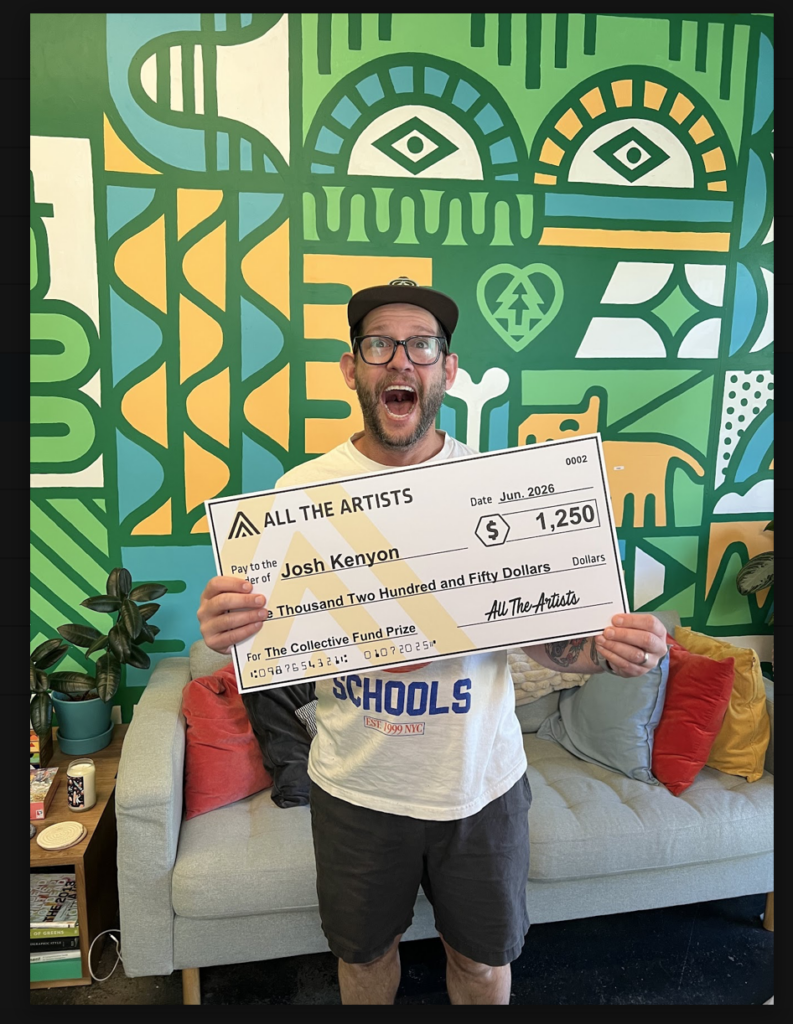
You’ve recently announced your first round of award winners. What have the reactions been like?
Erik: Every one of these artists has been completely stoked. I mean, who wouldn’t enjoy a random phone call from somebody giving you money and wanting to promote your art? Hearing the different ways this funding will help each artist solidifies our mission and our reason why we’re building this.
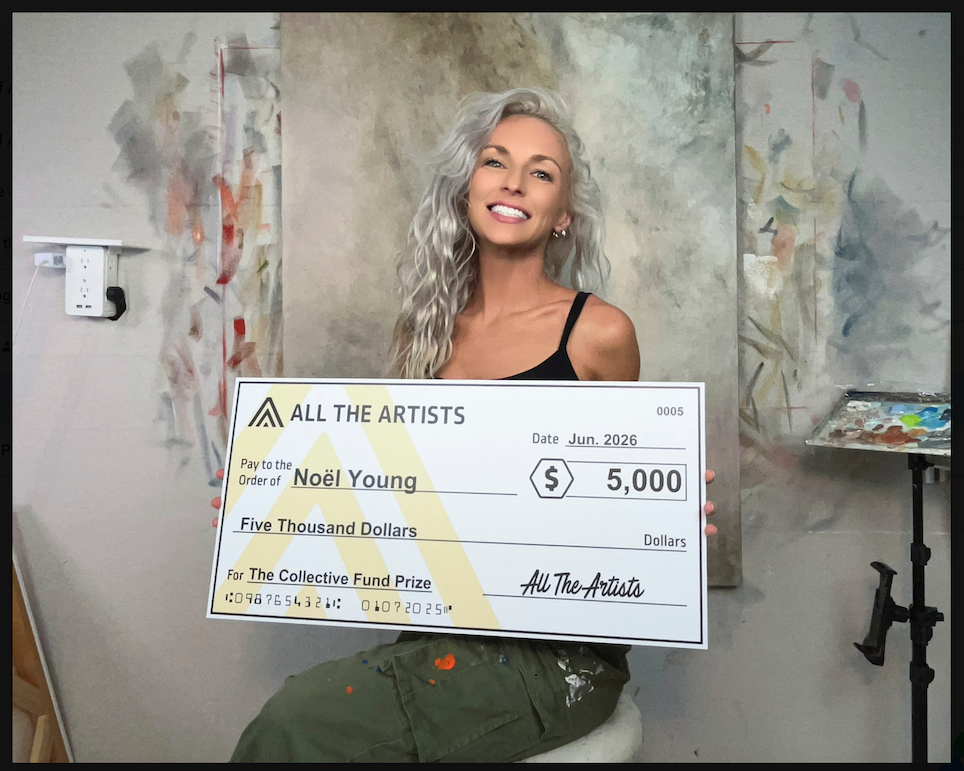
Philip: The reactions have been even more meaningful than we expected. For many of the winners, the award was not only about receiving money. It gave them a little breathing room, and a way to “buy back their time” to make art.
Some talked about using it to pay down debt. Others saw it as a way to take a break from constantly monetizing their work so they could simply create again. Seeing the excitement, relief, and emotion on their faces confirmed that this kind of support matters.
After nearly three years of working on All The Artists, those responses made the mission feel very real. Artists are not just looking for exposure. They are looking for support, connection, and the ability to keep creating, and we are happy to contribute.
Aside from the discovery and collective funding aspects, how do you envision All The Artists growing within the creative community?
Erik: As I mentioned before, everywhere I’ve lived, I wish there was an easy way to find the artists who lived nearby so I could reach out and make friends. I think All The Artists will grow to become a valuable tool for artists to find and connect with other artists locally. We also have plans for fun, in-person artist parties around the country to further facilitate connections among artists.
Philip: We see All The Artists growing into a central hub for the entire creative community. The directory and Collective Fund are where we are starting.
So many artists are building their careers on their own, and that can feel isolating and overwhelming. We want All The Artists to make it easier for artists to find each other, share resources, celebrate each other’s work, and feel like they are part of something larger.
As the community grows, we see the platform expanding into more opportunities, resources, and ways for artists and supporters to engage with one another. The goal is not just to list artists, but to expand to include all the different infrastructure within the art industry, like galleries, art fairs, residencies, other funding opportunities, workshops, and more.
About the Founders
Erik Abel is the Co-Founder of All The Artists and a full-time artist with over two decades of professional experience. As the creative mind behind the globally recognized brand Abel Arts, his work bursts with bold color, geometric rhythm, and organic energy inspired by his lifelong love of the ocean, surfing, and travel. His art has been showcased in galleries around the world and has drawn collaborations with brands like Patagonia, REI, and Billabong.
Website: abelarts.com
Instagram: @abelarts
Philip Gomez is the Co-Founder of All The Artists, an entrepreneur who loves building systems that make ideas work better. With a background in web development, automation, and operations, he’s helped grow multiple businesses by blending creativity with practical problem-solving. Philip enjoys turning complex challenges into streamlined, scalable solutions that let teams focus on what they do best.
Website: alltheartists.com
Instagram: @alltheartists