
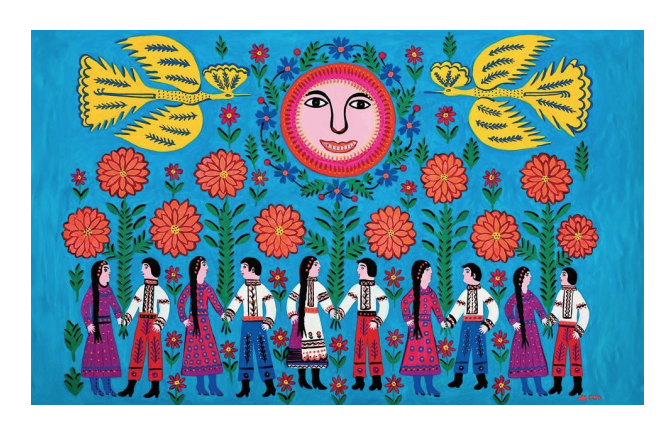
GUNIA Project and Assouline unveil Naïve My Love: Ukrainian Art of the 20th Century, a richly researched celebration of one of Ukraine’s most distinctive visual traditions. Bringing together the work of self-taught artists shaped by folk customs, village life and generations of inherited craftsmanship, the book reveals how Ukrainian naïve art developed a powerful visual language of colour, symbolism and imagination. Tracing its influence from the avant-garde of the 1910s and ’20s to contemporary Ukrainian design, Naïve My Love offers a compelling new perspective on the enduring creative legacy of Ukrainian culture.
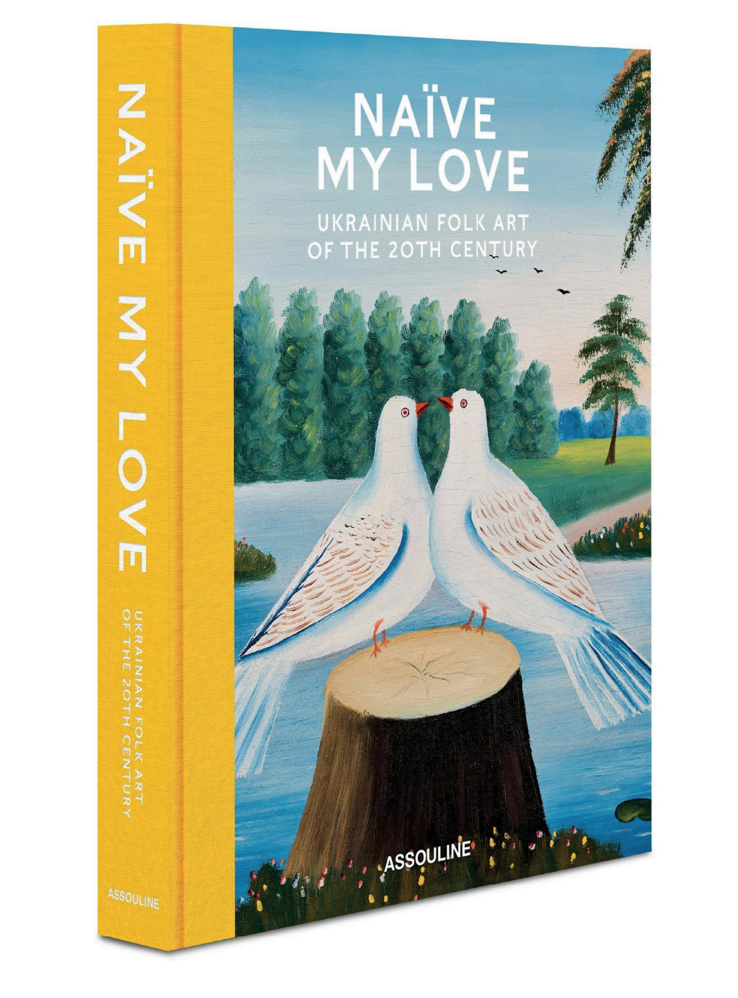
Naïve My Love: Ukrainian Art of the 20th Century explores one of the most unique and deeply personal chapters of Ukrainian visual culture. Ukrainian naive art emerged outside the academic art world — created by self-taught artists whose work was shaped by everyday life, folk traditions, and generations of inherited craftsmanship. Rooted in village culture and decorative traditions, it captured the emotions and worldview of Ukrainian people through a genuinely original visual language.
Some of the world’s most impressive artworks have been created by those who developed their skills
not through formal training but through practice, repetition, and learning from other artisans over the
course of their lives. Such was the case in the naïve art movement. In contrast to traditional art, these
pieces focused on conveying emotion and raw imagination. Naïve My Love: Ukrainian Art of the 20th
Century documents the incredible works that came from the late nineteenth and early twentieth
centuries in Ukraine.
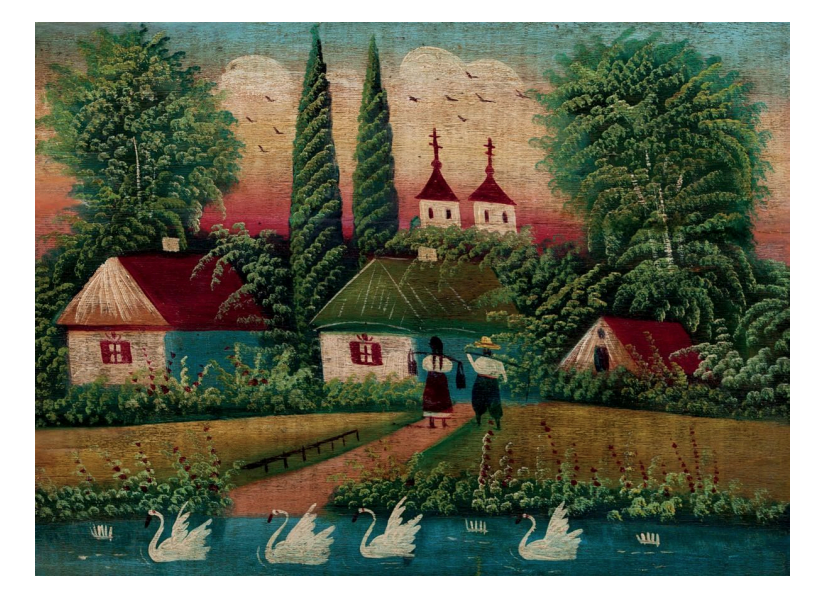
Built on more than a year of research, the book brings together the most significant names and works of twentieth-century Ukrainian naive painting, tracing its influence on the avant-garde of the early 20th century and on contemporary Ukrainian design today — how wood painting, embroidery, carving, and decorative objects shaped modernists such as Kazimir Malevich, Alexandra Exter, Sonia Delaunay, and Larionov.
This book was made possible through the support of Nova Ukraine, Bilokin Initiative, Sushko
Philanthropy, Jorge & Maria Romo Foundation, Tokarev Foundation, ALIPH Foundation, and xpate
whose commitment to Ukrainian cultural heritage brings this tradition to a global audience when its
preservation matters most.
The creative direction and content were led by Mariia Gavryliuk and Natalia Kamenska, the founders
of the Ukrainian brand Gunia Project, with the idea of collaboration itself initiated by the GOGOLA
media agency. The works were selected and curated by editor Lidia Lykhach; the texts were written by
Ukrainian journalist Anna Lodygina.
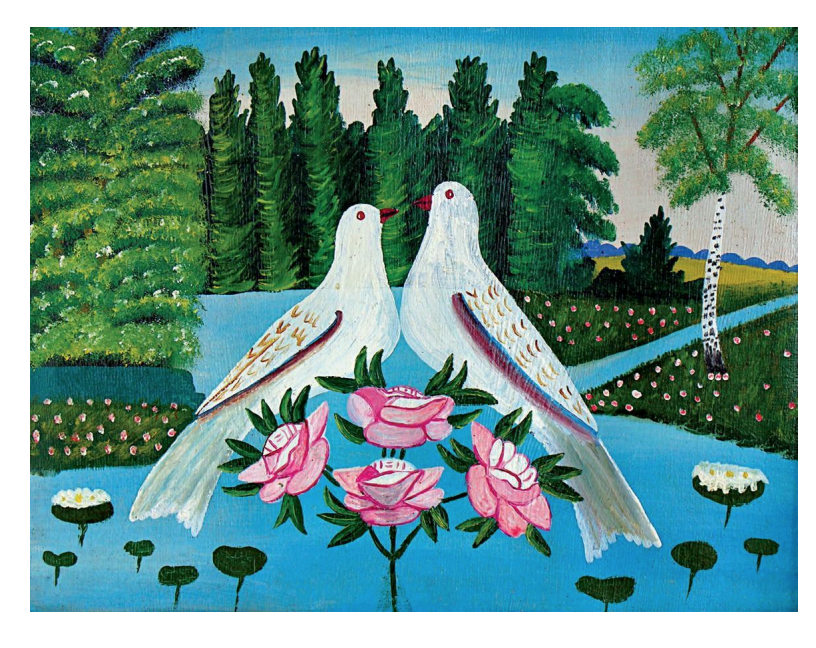
The book illustrates the artwork created by people who had no artistic training and were far removed from the academic environment. These pieces are currently on display in museums in Kyiv and around the world, but some of them had been lost to time, discovered long after their creators had passed away or painted on the walls and furniture of villages across the countryside.
The treasury of Ukrainian naïve art seems boundless. The undulating forms of pitchers, rhythmic colours of kilims, expressive carved figures, richly patterned chests and vivid paintings form a visual language that continues to speak to artists today. Through expeditions, museum archives and close study of historic objects, contemporary creatives are discovering the origins and symbolism behind plates, embroideries, carvings and decorations—not simply to draw inspiration, but to reimagine their cultural heritage with respect and affection for the traditions and makers who came before them.
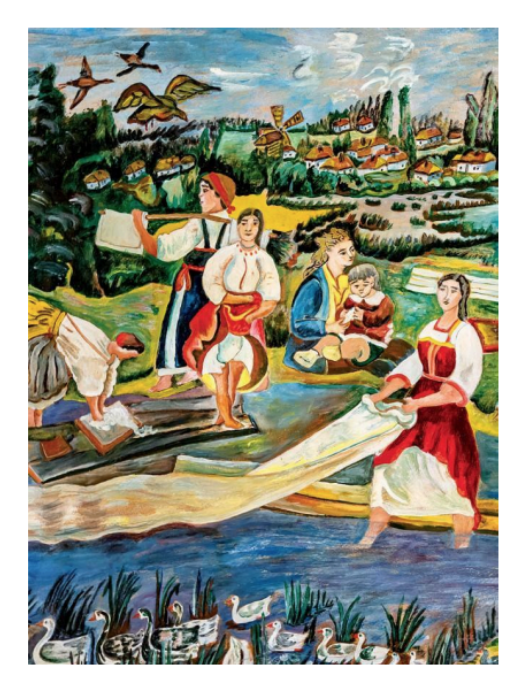
With every brushstroke, stitch and imperfect carved line, generations of rural makers interpreted the world around them. They depicted the dark, star-filled skies above their villages, the earth beneath their feet, plants emerging from the soil, animals from their yards and the rivers and wells beside which they lived. Neighbours and relatives appeared in scenes of everyday work, humour and struggle, as well as in rituals surrounding weddings, harvests, Easter and other celebrations. Their communities became both subject and archive, preserving fragments of ordinary life through images, objects and patterns.
Many of these visual symbols carried meanings that their makers may never have consciously understood. A fish filled with eggs beside grapes could evoke abundance; a Cossack and young woman beside a well could suggest fertility; an angel might serve as a protective presence. These artists constructed their visual worlds intuitively from what they saw, believed and found beautiful, creating a rich symbolic language without necessarily being aware of its deeper meanings.
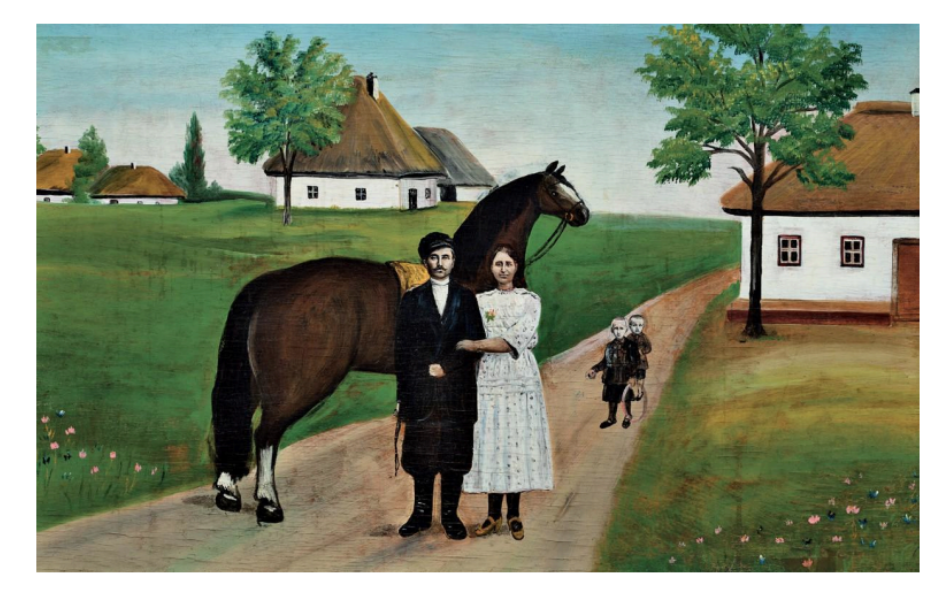
Each image was therefore more than decoration. It became a kind of secret message, encoded in paint, thread, clay and wood—a record of how people lived, imagined and understood their place in the world. Passed from one generation to the next, these motifs could be reinterpreted, transformed and given new stories, creating an ongoing conversation between makers of the past and artists of the present.
Created largely outside academic institutions, Ukrainian naïve art was shaped by artists with no formal training and little connection to professional artistic traditions. Free from prescribed techniques and rules, they approached colour, form and composition intuitively, developing highly individual visual languages from a much older folk tradition. Today, these works are embraced as “naïve” art, but their apparent simplicity conceals a profound cultural archive—one that continues to inspire and inform Ukraine’s contemporary creative identity.
instagram link HERE