


From sculptural craftsmanship and contemporary Nigerian design to Korean furniture and Palestinian craft, Culturalee Editor Lee Sharrock selects six highlights to discover at Paris Design Week 2026.
Paris Design Week 2026 transforms the French capital into a vast showcase for contemporary design, bringing together established designers, emerging talents and international creative scenes across galleries, showrooms, museums, studios and historic spaces. Taking place from 10–19 September 2026, the event encompasses more than 500 participants across 320 venues, spanning four of Paris’s iconic design districts.
During Paris Design Week, Paris comes alive with citywide design with many historicl venues opening their doors, including the Historical Library of the city of Paris, the Bourdelle Museum and Maison Victor Hugo. Art schools, Les Ateliers de Paris and the Taillandiers artisan’s village are also involved.
What does the world aspire to in 2026? That is the question at the heart of this edition, themed ‘Pulse in Motion’. The answer lies in the streets, courtyards, workshops, galleries, and department stores across Paris, as the city becomes a vast exhibition space for designers and their work.” Emmanuel Gregoire, Le Maire du Paris
This year’s programme reflects the increasingly global nature of contemporary design, where traditional craftsmanship meets material experimentation, technology, sustainability and new approaches to cultural identity. Alongside established names, Paris Design Week Factory (taking place from 10-14 September)provides a platform for more than 150 emerging designers, while international presentations bring perspectives from Africa, Asia and the Middle East into dialogue with Paris’s historic design culture.
From Joseph Walsh’s gravity-defying ash sculptures at the Hôtel de Sully to Design Week Lagos’s celebration of a new generation of Nigerian designers, here are six Culturalee picks at Paris Design Week 2026.
L’homme est sur terre pour créer. Donc, ne jamais copier, ne jamais plagier, toujours regarder vers l’avenir en quoi que ce soit… C’était une règle absolue.” Jean Prouvé
Joseph Walsh at Hôtel de Sully
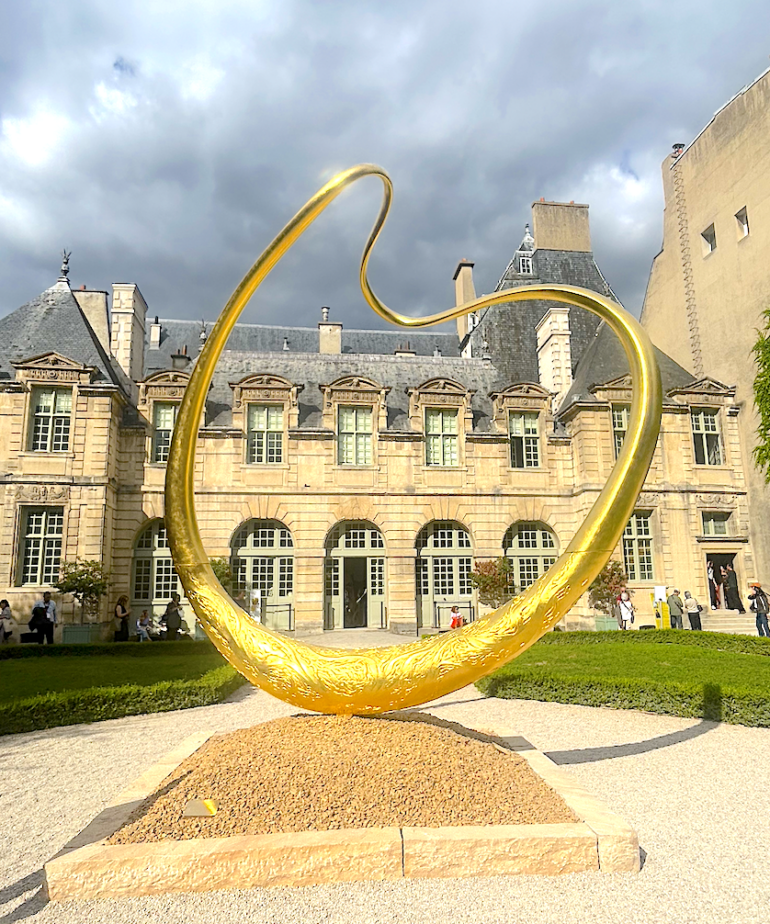
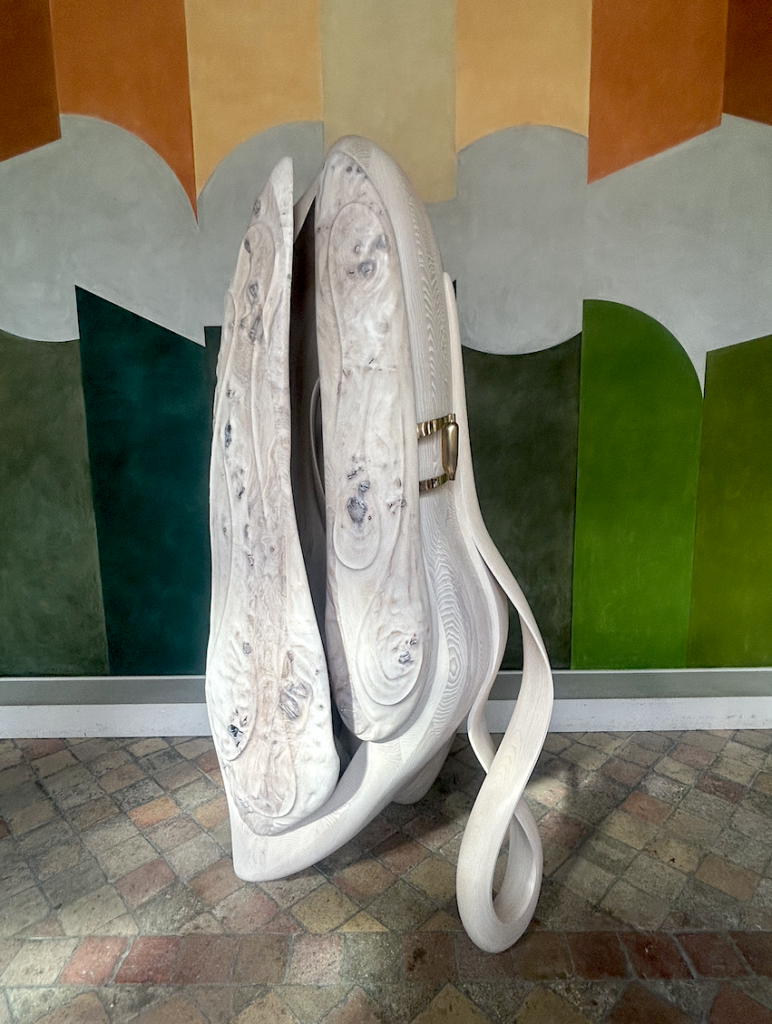
One of the most anticipated presentations of Paris Design Week 2026 comes from Irish designer and virtuoso cabinetmaker Joseph Walsh, whose sculptural furniture occupies the space between design, art and architecture. As the guest of this year’s Paris Design Week, Walsh takes over the orangery, gardens and main courtyard of the historic Hôtel de Sully with a series of monumental ash sculptures whose organic forms appear to defy gravity.
Created alongside the community of makers at Walsh’s workshop in County Cork, the installation brings together works from his celebrated Gestures and Enignum series. Characterised by fluid lines, extreme technical precision and an almost architectural manipulation of timber, the works demonstrate Walsh’s ability to transform furniture-making into an expressive sculptural practice.
The presentation is particularly compelling within the formal architecture and gardens of the Hôtel de Sully, where Walsh’s sinuous forms create a striking counterpoint to the symmetry of the historic French setting. It is a meeting of Irish craftsmanship and French heritage that places material, process and imagination at the centre of the design experience.
Hôtel de Sully, Paris from 10–19 September 2026
Design Week Lagos: ‘All Roads Lead to Lagos’
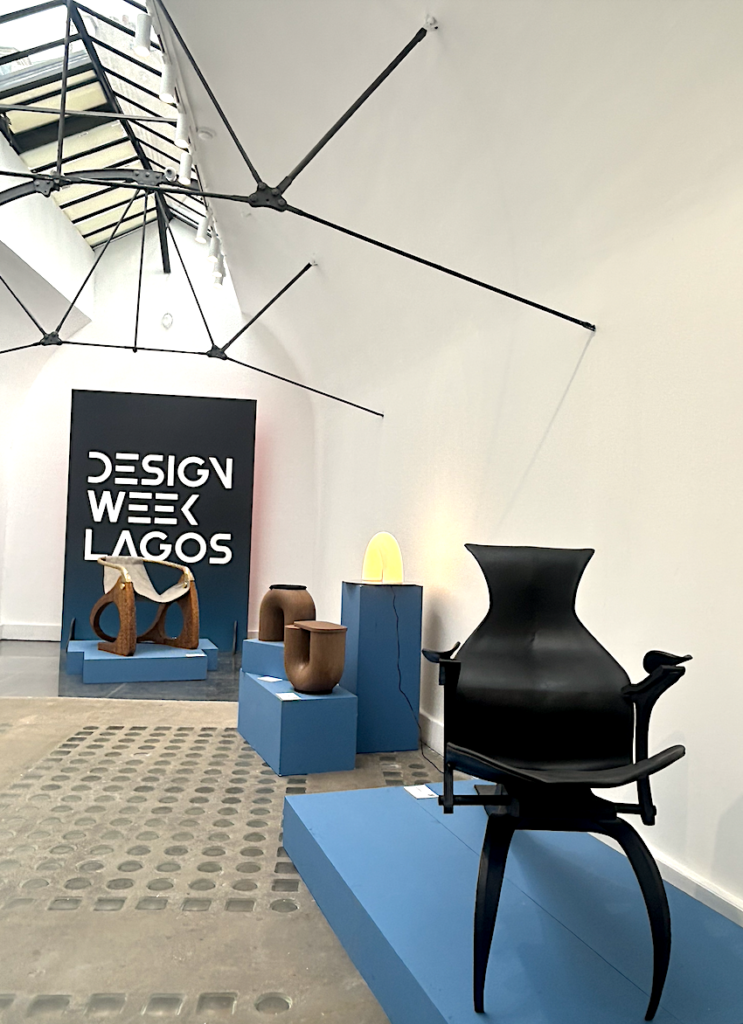
‘All Roads Lead to Lagos’, presented by Design Week Lagos at Paris Design Week Factory, is one of the clearest demonstrations of the increasingly international conversation around contemporary African design. Bringing together seven Nigerian designers — Athanasius Johnson, Adaora Enwonwu, Emma Emodi, Oluwakayinsade Ademuson, Joan Eric-Udorie, Myles Igwebuike and Richard Aina — the presentation explores furniture, lighting, sculpture and collectible design through the lens of contemporary Nigerian creativity.
The designers draw on African craftsmanship, cultural heritage and material innovation while creating work firmly rooted in a global contemporary design language. Highlights include Joan Eric-Udorie’s Bantu Stool, Emma Emodi’s Ara, Richard Aina’s ISÉPÒ LOW TABLE and Myles Igwebuike’s CHE.
The presentation also marks the debut of Design Week Lagos’s designer–manufacturer collaboration with Italian lighting manufacturer Ombré, creating new possibilities for Nigerian designers to move beyond exhibition platforms towards production, collaboration and international markets.
Conceived by Design Week Lagos founder Titi Ogufere, the project is based on a powerful premise: African design belongs at the centre of the global design conversation, with Lagos emerging as an increasingly important creative destination. Following its debut at Milan Design Week, Paris is the second stop on a 2026 international tour before the project culminates in Lagos in October.
Mac Makes Pots: ‘Orto Botanico’
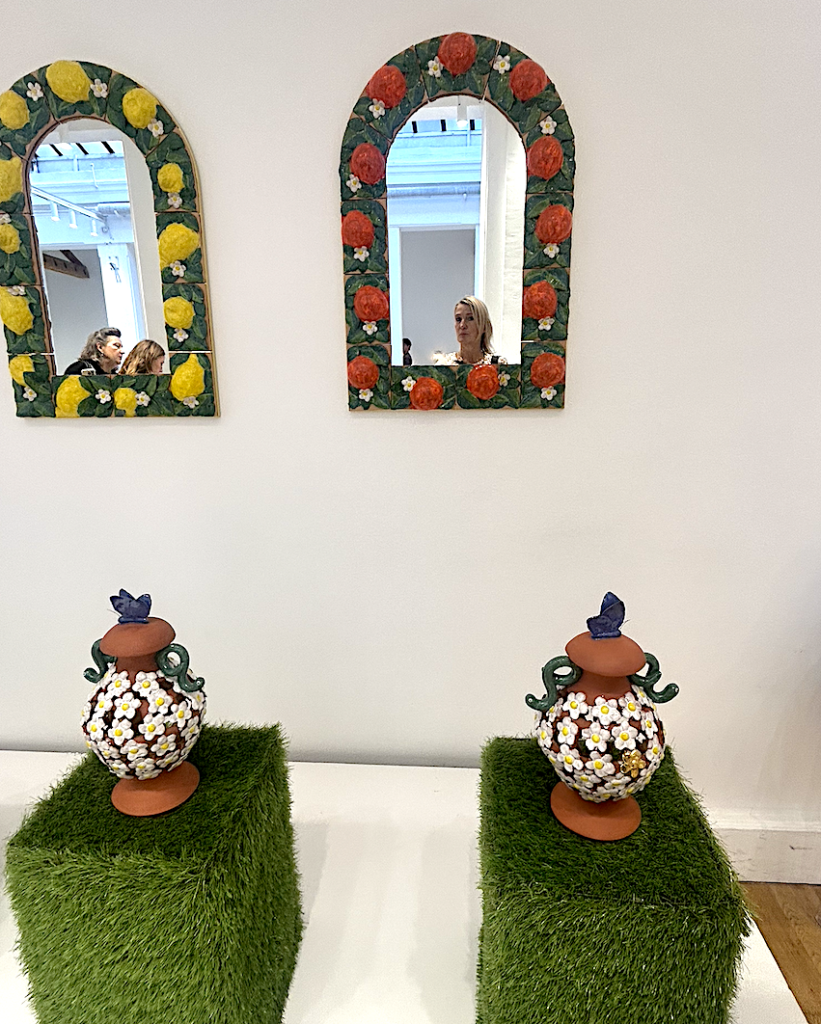
For a more intimate exploration of ceramics and decorative craft, Mackenzie McDonald, the American ceramicist and art historian behind Mac Makes Pots, presents Orto Botanico at Paris Design Week Factory, a collection of handcrafted terracotta mirrors and vessels.
The collection draws on the visual language of botanical forms and traditional ceramics while giving familiar decorative techniques a distinctly contemporary identity. Glossy maiolica glazes bring colour, surface and luminosity to the terracotta forms, creating objects that sit somewhere between functional design and sculptural art.
McDonald’s background as both ceramicist and art historian is central to the character of the collection. Orto Botanico demonstrates how historical decorative traditions can be revisited without becoming nostalgic, instead becoming a starting point for experimentation with form, texture and surface.
In an increasingly digital design landscape, the tactile quality of McDonald’s handmade ceramics offers a reminder of the enduring appeal of objects made slowly and individually. Her work is a celebration of materiality, craftsmanship and the expressive possibilities of clay.
‘Living Layers’ — Department of Furniture & Living Design, Kongju National University
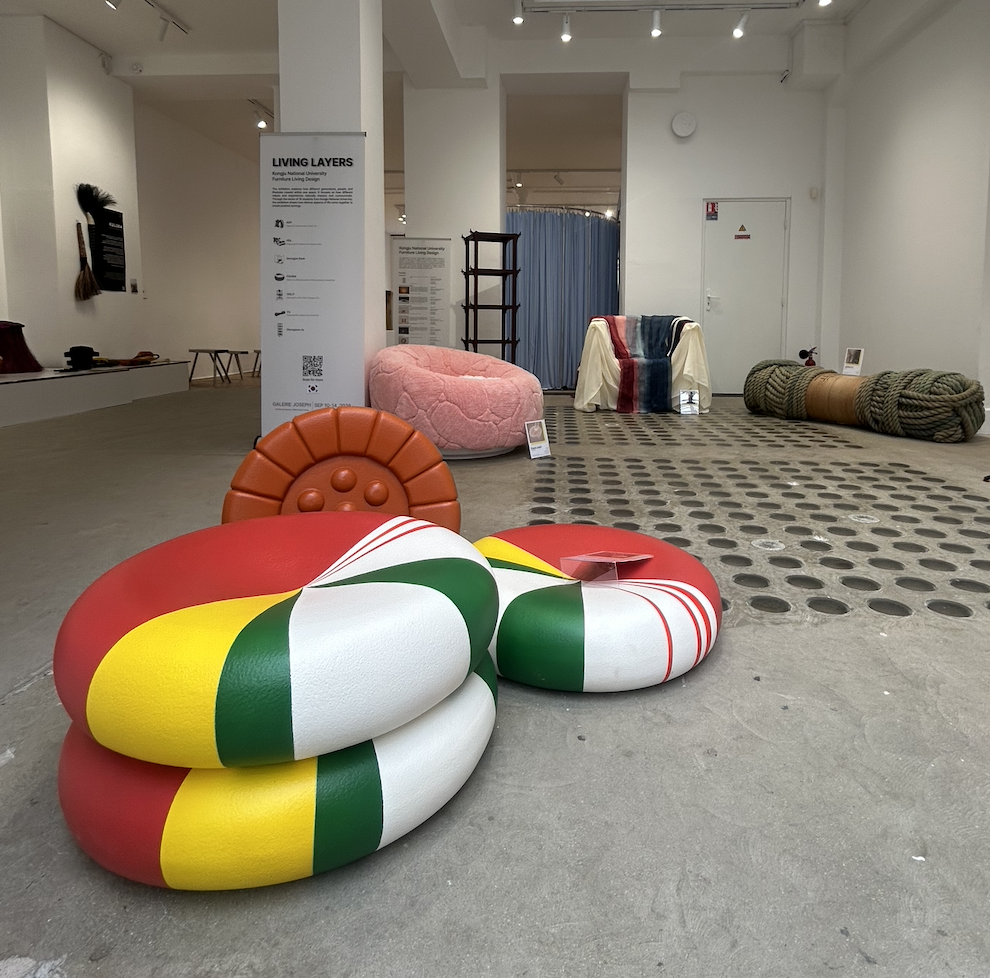
Design can be a reflection of the way we live, and ‘Living Layers’, presented by the Department of Furniture & Living Design at Kongju National University in the Republic of Korea at Paris Design Week Factory, explores precisely that relationship.
The exhibition brings together seven furniture pieces created by 18 young designers, examining how social issues influence domestic environments and how multiple experiences and lifestyles can coexist within a single space.
Rather than treating furniture simply as an aesthetic or functional category, Living Layers considers the home as a complex social environment. Its designers respond to changing patterns of living, shifting relationships and the pressures that shape contemporary life, translating these ideas into furniture and spatial objects.
The result is an exhibition that places emerging Korean design within a wider international conversation about how we inhabit space. Its emphasis on social observation and lived experience makes Living Layers particularly relevant to a moment when ideas of home, community and personal space are continually being redefined.
Pierre Renart: ‘Arabesque’ at Hôtel de Rohan
French designer Pierre Renart brings a sculptural approach to urban furniture with Arabesque, a monumental bench unveiled at the historic Hôtel de Rohan, headquarters of the National Archives.
Inspired by the sweeping curves of the French formal parterres in the Hôtel de Rohan gardens, the piece translates the language of the landscape into three-dimensional form. Crafted from Moabi wood, Arabesque functions simultaneously as a bench and a sculpture, blurring the boundary between public furniture and collectible design.
The piece exemplifies Renart’s ability to transform architectural and environmental references into highly crafted objects. Its generous scale and flowing geometry create a dialogue with the historic surroundings, while its function as seating gives the sculptural work an element of accessibility and everyday use.
Installed within the courtyard of the National Archives, Arabesque becomes more than a piece of furniture: it is a contemporary interpretation of the garden itself, connecting French architectural heritage with an experimental approach to material and form.
Hôtel de Rohan, National Archives, Paris from 10–19 September 2026.
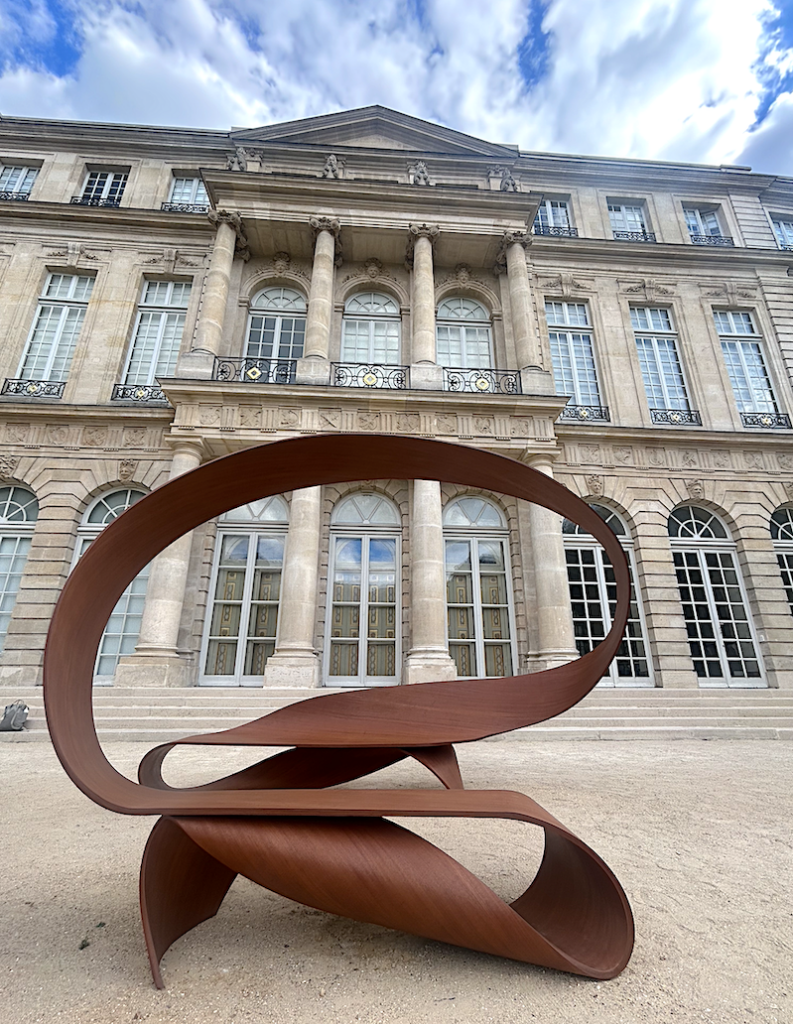
Pierre Renart ‘Arabesque’ at Hôtel de Rohan, Paris Design Week 2026 © Culturalee/ Lee Sharrock
‘Held in Common’ by IF JÉRUSALEM & Turquoise Mountain Palestine
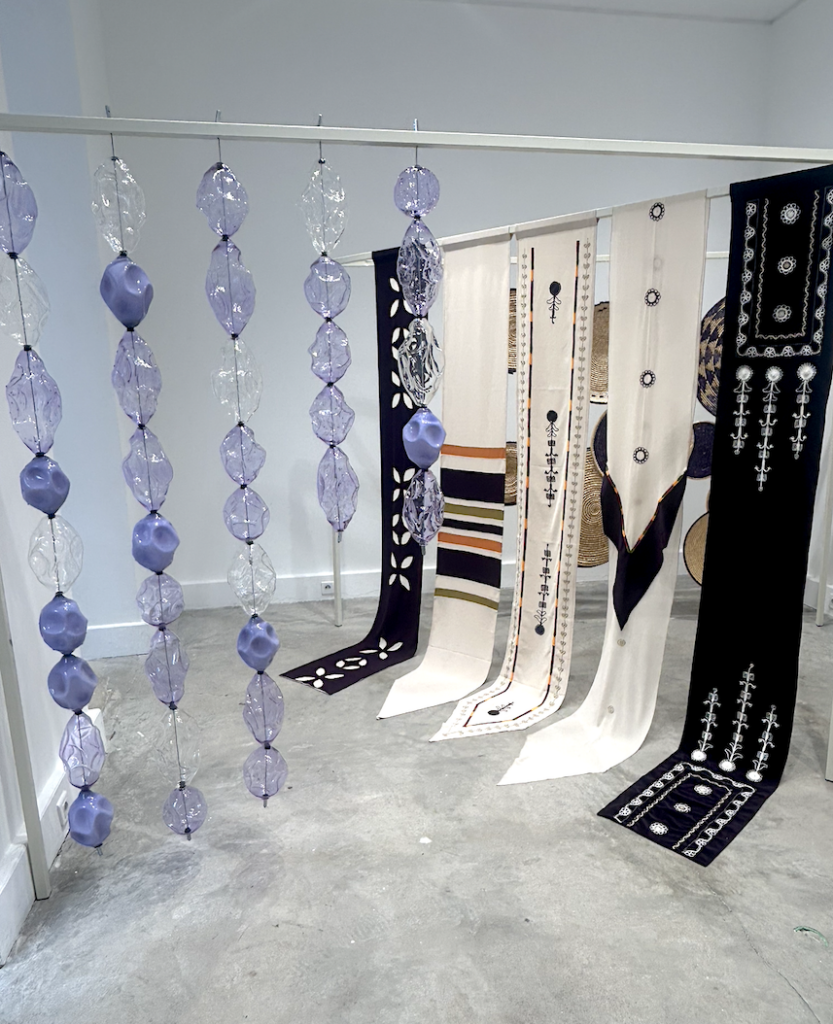
The relationship between contemporary design and traditional craft takes centre stage in ‘Held in Common’, an immersive installation presented by IF JÉRUSALEM and Turquoise Mountain Palestine at Paris Design Week Factory.
Emerging from a co-design programme in Palestine, the project brings together emerging designers and artisans around three distinctive craft traditions: glassblowing, straw weaving and Tahriri embroidery. Rather than treating heritage craft as something fixed in the past, the project explores how traditional knowledge can evolve through collaboration and contemporary design.
The emphasis on co-design is particularly significant. ‘Held in Common’ positions designers and artisans as collaborators, creating a dialogue between generations, disciplines and forms of knowledge. The resulting works demonstrate how craft can remain culturally rooted while finding new relevance within contemporary design.
At a time when the provenance, sustainability and cultural meaning of objects are becoming increasingly important to designers and audiences, Held in Common offers a thoughtful alternative to mass-produced design. It celebrates the human knowledge embedded within materials and techniques while demonstrating the creative possibilities of collaboration.
Paris Design Week 2026: A Global Design Conversation
Taken together, these six Culturalee picks demonstrate the breadth of Paris Design Week 2026, from Joseph Walsh’s sculptural exploration of timber and Pierre Renart’s transformation of landscape into furniture, to the international perspectives represented by Design Week Lagos, Kongju National University and Palestinian craft.
What connects these diverse practices is an interest in design as something more than aesthetics. Whether through material experimentation, cultural heritage, social change or collaboration, the designers featured this year are using objects and spaces to tell stories about how we live and where we come from.
As Paris once again becomes a meeting point for the international design community, the most exciting developments may be found not simply in the established names, but in the growing exchange between different cultures, generations and creative disciplines.
Paris Design Week 2026 ultimately makes the case for design as a global language. One capable of connecting craftsmanship and innovation, heritage and futurism, and local identity with an increasingly international audience.