

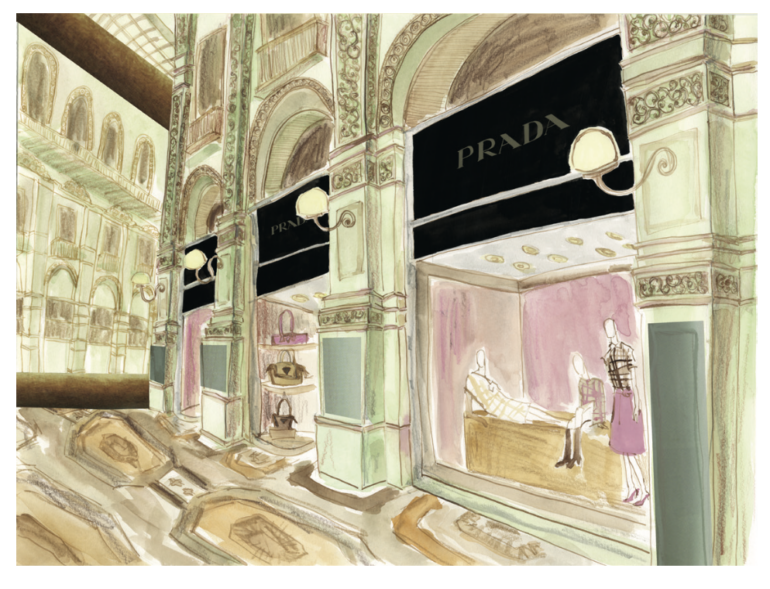
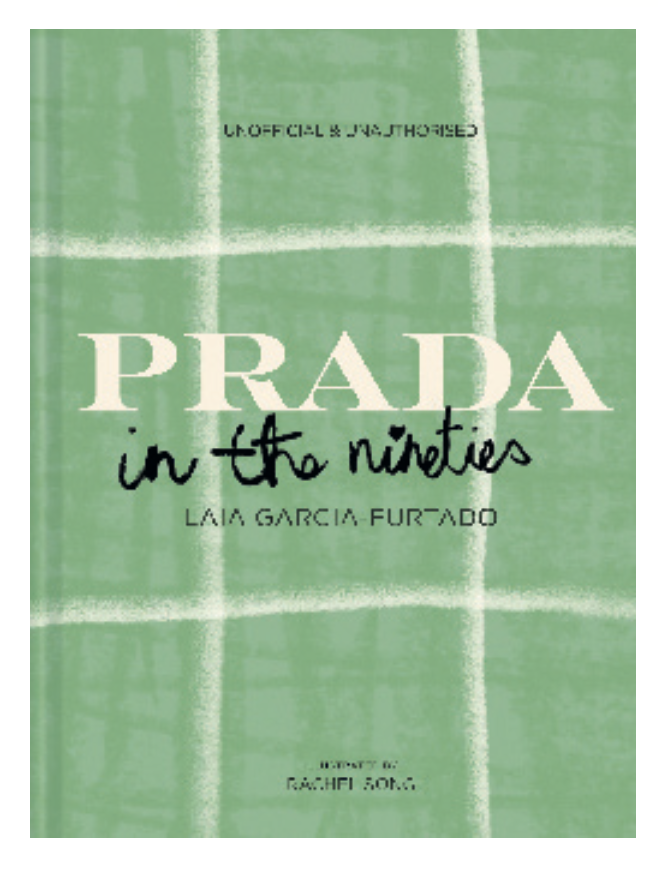
Laia Garcia-Furtado’s Prada in the Nineties explores the decade when Miuccia Prada transformed a Milanese leather-goods company into one of fashion’s most influential cultural forces, and created a new vocabulary of ‘intellectual fashion’ along the way.
What does it mean for a fashion label to become part of contemporary culture? And why, decades after they first appeared on the runway, are Prada’s nylon backpacks, minimalist silhouettes, capri trousers and deliberately awkward combinations still influencing the way we dress?
These are some of the questions at the heart of Prada in the Nineties, a richly illustrated new book by Laia Garcia-Furtado and published by Batsford, which looks back at the decade when Prada changed the fashion landscape.
The 1990s are frequently remembered through the lens of minimalism, supermodels and the rise of celebrity culture. But Prada offered something different. Under Miuccia Prada, fashion could be cerebral without becoming austere, beautiful without conforming to conventional ideas of beauty, and luxurious while deliberately appearing ordinary.
Garcia-Furtado traces this transformative period through Prada’s collections, advertising and cultural impact, examining how the house developed an aesthetic that often seemed to operate in opposition to prevailing fashion trends.
The result was what came to be described as ‘intellectual fashion’: clothes that encouraged the wearer to think as much as they encouraged them to look.
Prada and the Art of ‘Ugly Chic’
Part of Prada’s enduring fascination lies in its ability to make unconventional ideas feel desirable.
Nylon backpacks became fashion objects. Colours and combinations that might traditionally have been dismissed as unfashionable became signatures. Utilitarian materials were elevated into luxury. The idea of ‘ugly chic’ became not simply an aesthetic but a challenge to the established rules of fashion.
This was one of Miuccia Prada’s great achievements. Rather than following the dominant trends of the moment, Prada created its own visual language.
The clothes could appear deliberately restrained, awkward or even anti-glamorous, while remaining unmistakably sophisticated. That tension became central to the Prada identity and helped establish the house as a cultural phenomenon rather than simply another luxury fashion brand.
The influence of this 1990s Prada can still be seen today. Pieces from the era are increasingly sought after on resale platforms, while references to the house’s archive continue to surface in contemporary collections and street style.
Even the return of the capri trouser has demonstrated how fashion’s relationship with the Prada archive continues to evolve.
From Milanese Leather Goods to Global Fashion Powerhouse
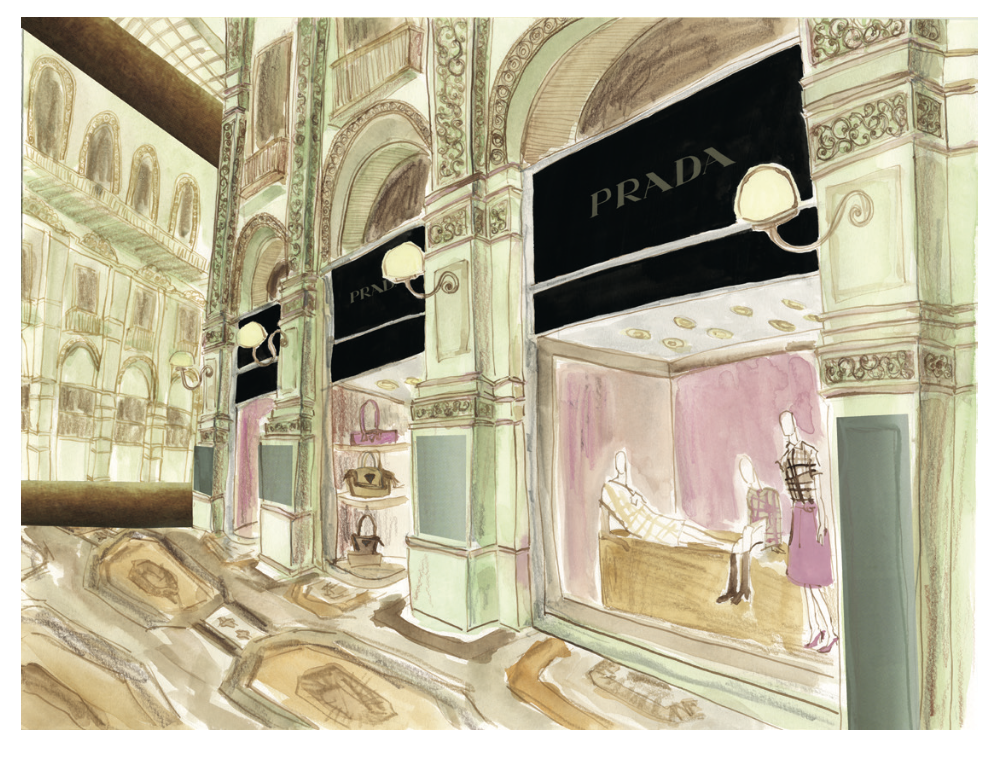
The story begins well before the 1990s. Founded in Milan in 1913 by Mario Prada, the company began as a luxury leather-goods business. It was Miuccia Prada, however, who would fundamentally transform its identity.
After launching her first womenswear collection in 1988, Prada entered the 1990s with a distinctive vision that would soon reshape the fashion industry.
Garcia-Furtado’s book focuses on the extraordinary acceleration of this period: the collections, campaigns and cultural conversations through which Prada established itself as one of the defining fashion houses of the decade.
Rather than simply documenting a succession of clothes, Prada in the Nineties considers why those clothes mattered — and how they reflected changing ideas about femininity, celebrity, taste and consumer culture.
Uma Thurman’s Prada Slip Dress
One of the most memorable examples of Prada’s ability to transcend fashion appeared at the 1995 Academy Awards, when Uma Thurman wore a Prada slip dress.
The image has become part of fashion history, demonstrating how a single garment can move beyond the runway and become embedded in popular culture.
Indeed, the dress has become so culturally significant that it has its own Wikipedia page.
This is the broader story Garcia-Furtado explores: how Prada’s clothes moved between fashion, film, celebrity and everyday culture, creating an influence that extended far beyond the traditional fashion press.
The book also arrives at an interesting moment for Prada. For younger fashion audiences, the 1990s archive is not simply historical. It is a source of discovery, inspiration and resale obsession.
Why Prada in the Nineties Still Matters
The enduring appeal of 1990s Prada is partly rooted in its refusal to offer easy answers. At a time when fashion is increasingly driven by algorithms, micro-trends and the rapid circulation of images online, Prada’s earlier work offers a reminder that fashion can be more complicated.
The clothes can be elegant and strange, desirable and deliberately awkward, familiar and completely unconventional. That ability to hold contradictory ideas together became one of Prada’s defining characteristics, and arguably one of the reasons its 1990s collections continue to resonate.
Prada in the Nineties is therefore more than an exercise in fashion nostalgia. It is an exploration of a pivotal moment when one designer changed the possibilities of luxury fashion and helped redefine what fashionable could mean.
For anyone interested in Prada, Miuccia Prada, 1990s fashion, fashion history or the relationship between clothing and contemporary culture, Garcia-Furtado’s book provides an engaging visual journey through the decade that changed the house forever.
And the timing feels particularly appropriate. As fashion repeatedly looks backwards for inspiration, Prada in the Ninetiesdemonstrates that some archives never really disappear. They simply wait for the next generation to rediscover them.
Prada in the Nineties is the first in a planned series examining defining decades of major fashion houses. The next titles will focus on Yves Saint Laurent in the Seventies and Versace in the Eighties.
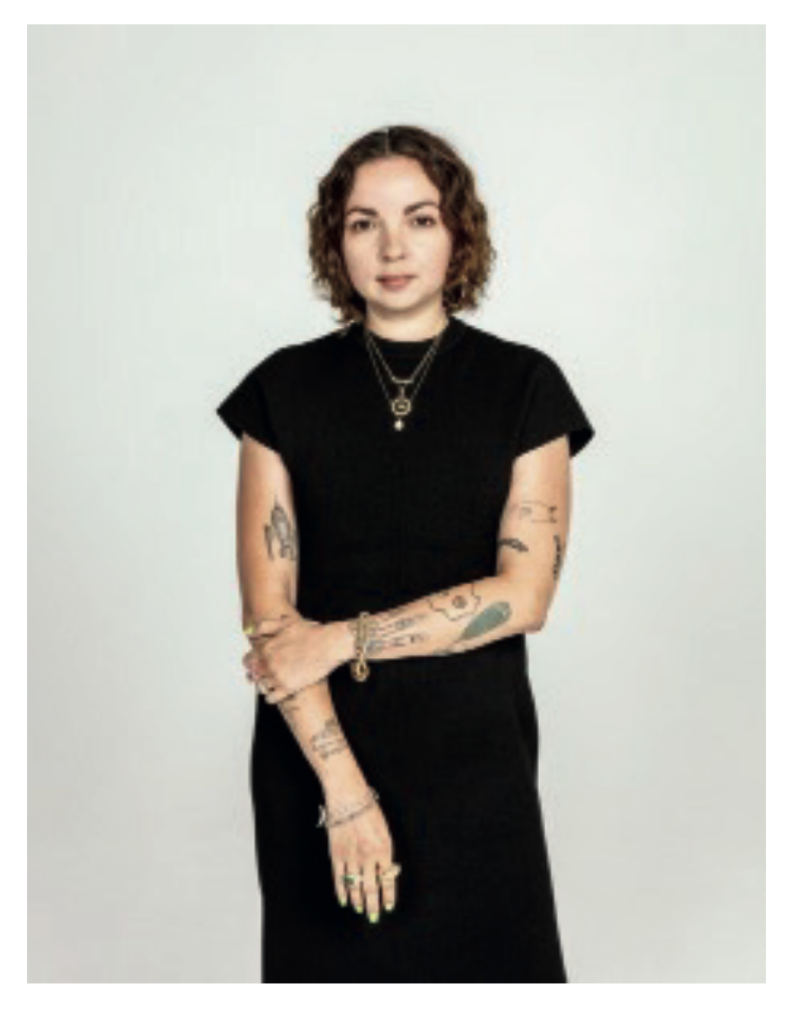
Author Laia Garcia-Furtado is Deputy Culture Director at Harper’s Bazaar. She previously served as US Senior Fashion News Editor at Vogue Runway and Features Director at Garage. She has also worked as a freelance print editor for Interview Magazine and Dazed, where she was an editor-at-large. Born and raised in Puerto Rico, Garcia-Furtado now lives in Brooklyn.