

Culturalee editor Lee Sharrock speaks to curator Christina Zahra about the new presentation of Alan Chapman’s iconic celebrity photography at ME London Hotel, exploring candid portraiture, celebrity culture and the power of the unfiltered image.
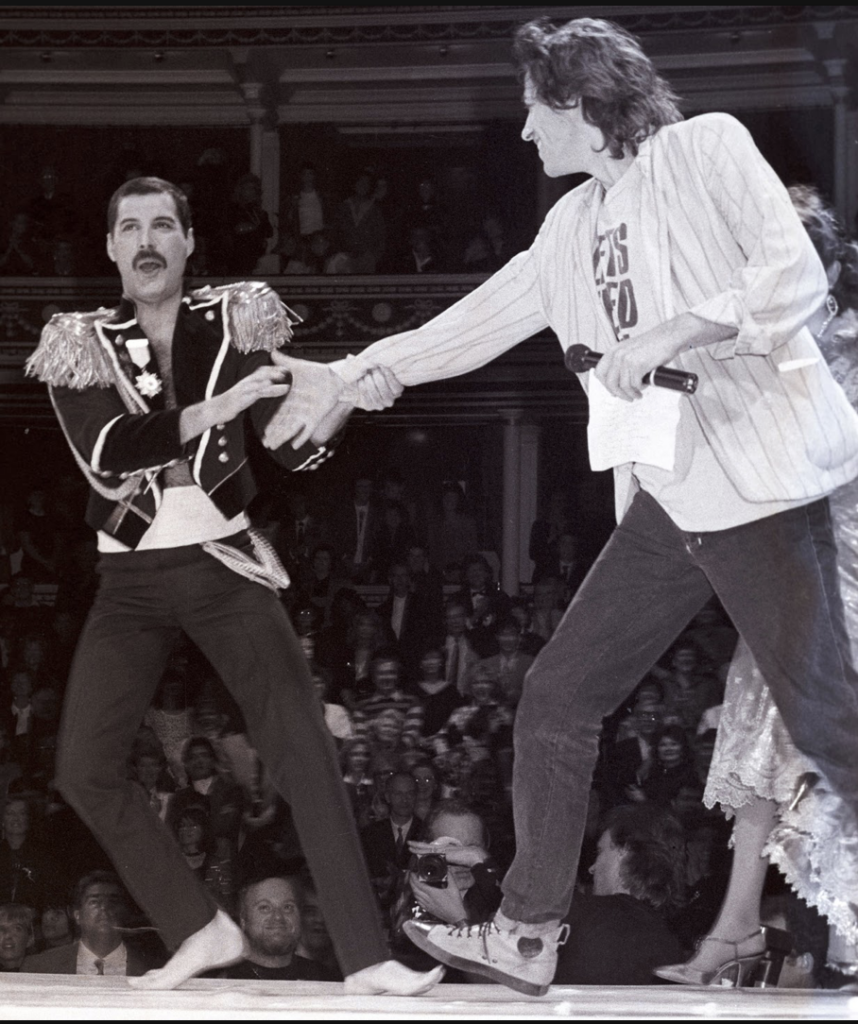
At the beginning of 2026, Culturalee editor Lee Sharrock curated Unfiltered at Cramer St Gallery in Marylebone, bringing together Alan Chapman’s candid black-and-white photographs of some of the world’s most recognisable cultural icons. Now, the exhibition has been reimagined for ME London Hotel, where curator Christina Zahra has created a new edit of Chapman’s photographs specifically for the hotel’s distinctive Marconi Lounge.
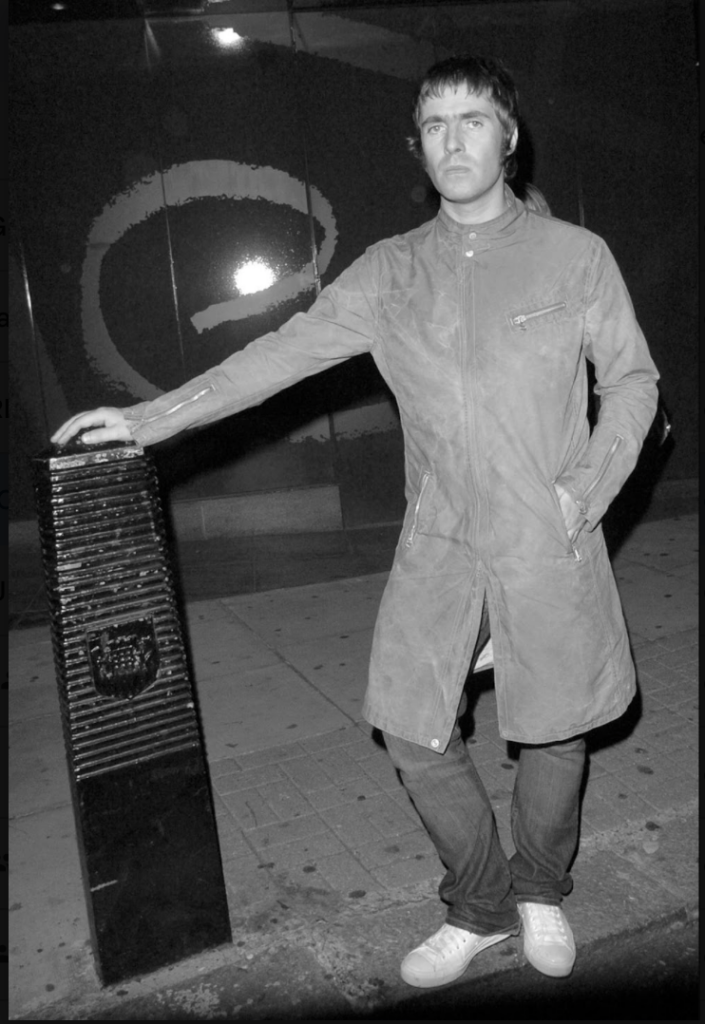
Known for capturing celebrities away from the carefully managed imagery that defines contemporary celebrity culture, Chapman’s photographs offer an intimate record of another era. From musicians and actors to fashion icons and cultural figures, his subjects appear unguarded, spontaneous and unmistakably human. In an age dominated by Instagram, TikTok, AI-generated imagery and carefully controlled personal brands, Chapman’s analogue approach to celebrity photography has acquired renewed relevance.
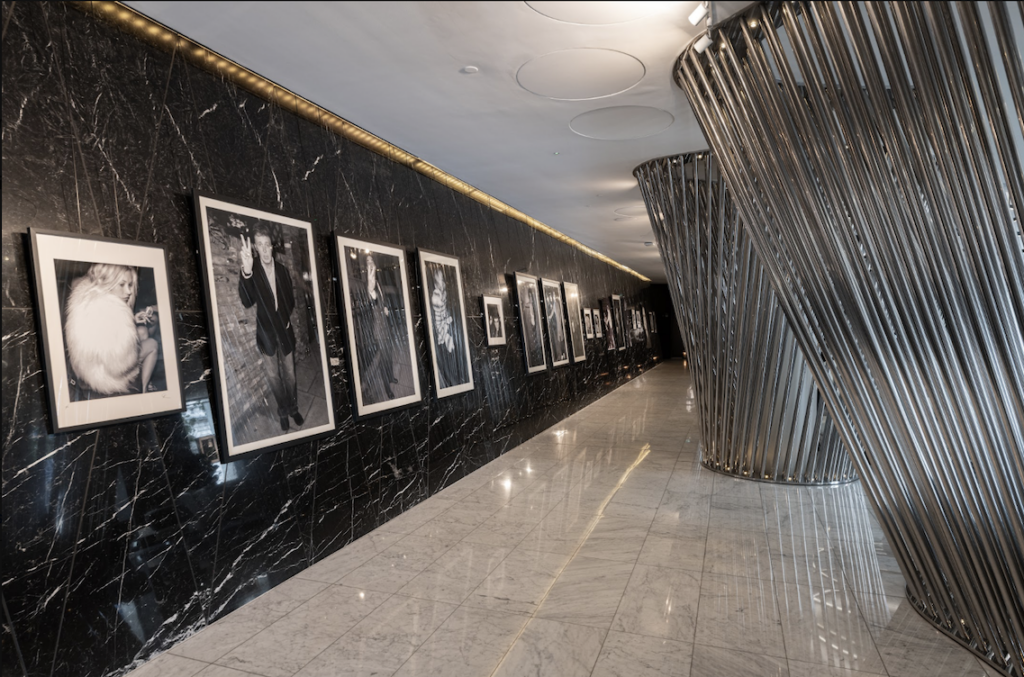
For Zahra, the ME London setting became an integral part of the curatorial process. Responding to the hotel’s dramatic architecture, black marble, steel interiors, high ceilings and contrasts of light, she has selected and positioned the photographs so that individual celebrity portraits become moments of encounter within the space. Rather than simply replicating the Cramer Street Gallery exhibition, her new edit considers how Chapman’s images interact with their surroundings and how each photograph contributes to a wider emotional narrative.
In this Culturalee in Conversation, Christina Zahra discusses the differences between the original Cramer St Gallery exhibition and her new presentation at ME London Hotel, her approach to selecting Chapman’s photographs, and why his particular brand of paparazzi photography feels increasingly significant today. She also reflects on the appeal of unfiltered celebrity imagery to a younger generation accustomed to filters, algorithms and highly curated online identities—and what Chapman’s photographs reveal about spontaneity, personality and the freedom of being caught in an unguarded moment.
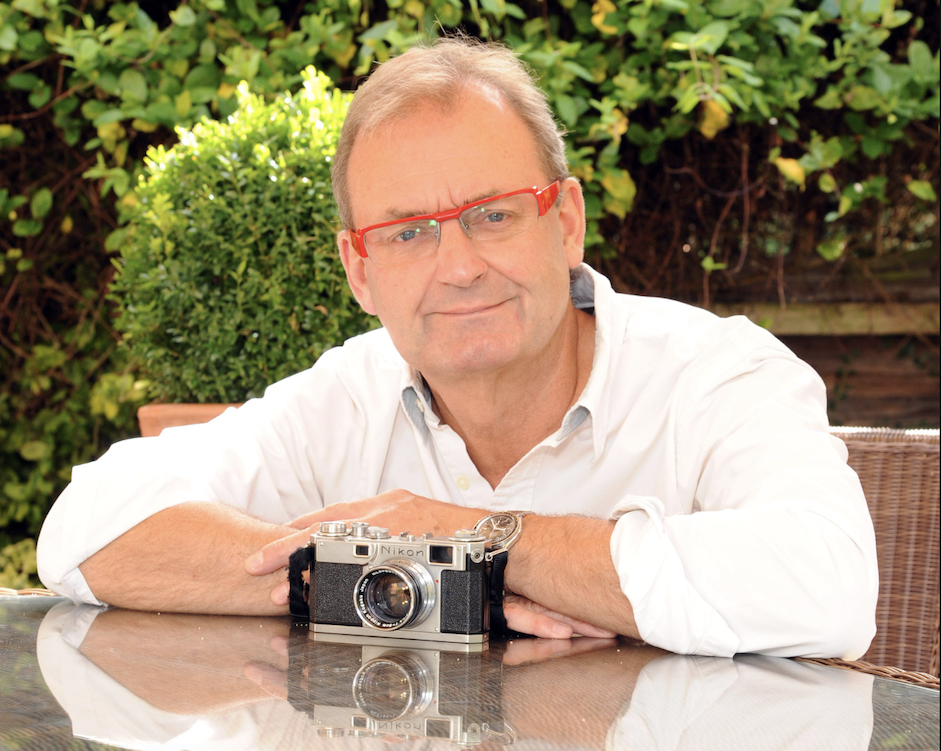
Alan Chapman – Photographer
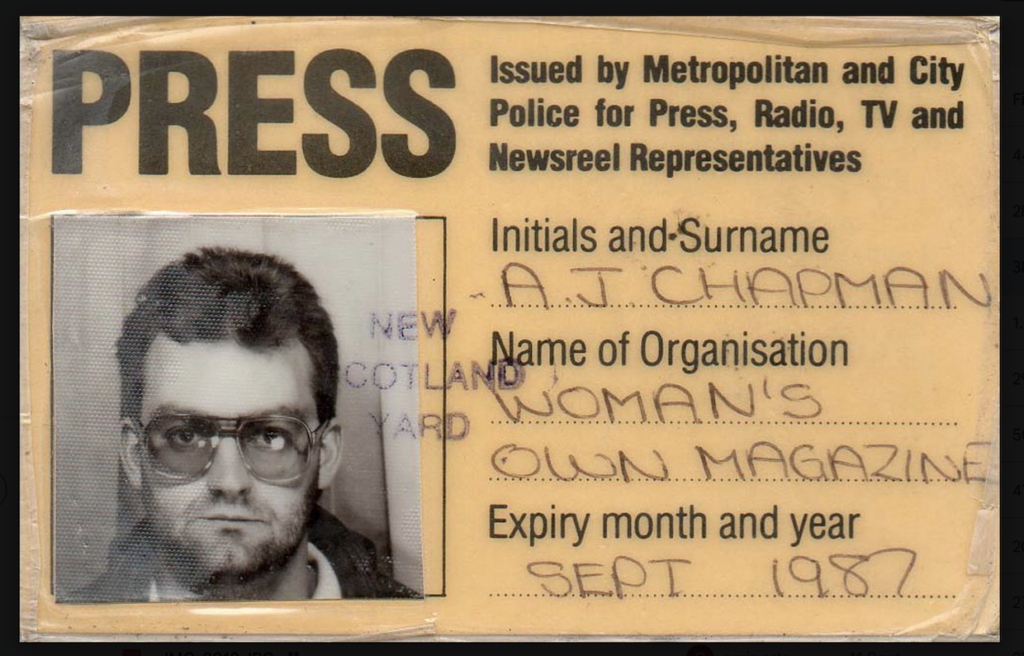
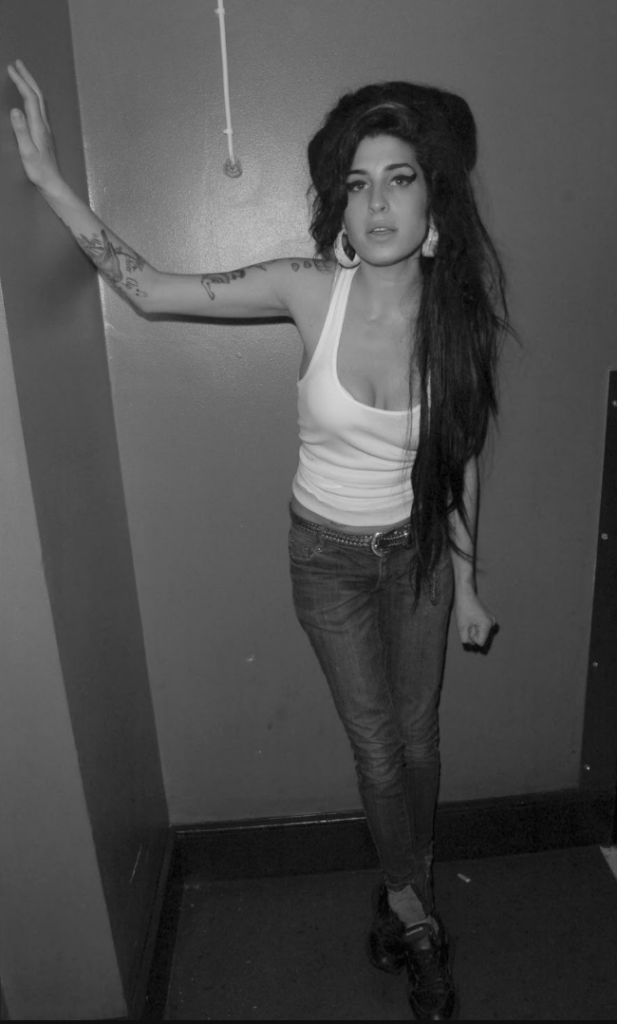
Your photographs feature an extraordinary roll call of cultural icons, from Freddie Mercury and Amy Winehouse to Kate Moss, Mick Jagger and Madonna. How did you gain such remarkable access to these celebrities, and what did you do to establish the trust that allowed you to capture them in such unguarded moments?
You have to take into consideration, these shots are all of the moment, not set up or posed. It was a question of being in the right place at the right time, so there was a huge element of luck involved.
I did gain trust simply by not taking a frame if requested, it was generally always appreciated and got me the title of the “decent guy”.
What camera and film or photographic equipment did you use to make these images, and how did the limitations, or characteristics, of that equipment shape the spontaneous, intimate quality of your photographs?
I was trained on Nikon film cameras, and I still shoot as if using a film camera, selecting the shots rather than holding down the button and firing off frame after frame. Today I still stick with Nikon, although it’s now a digital world although I still have my old film cameras and a 1960’s Nikon S2 rangefinder, which is a great camera.
Look for the shot, hit the button.
Christina Zahra – Curator
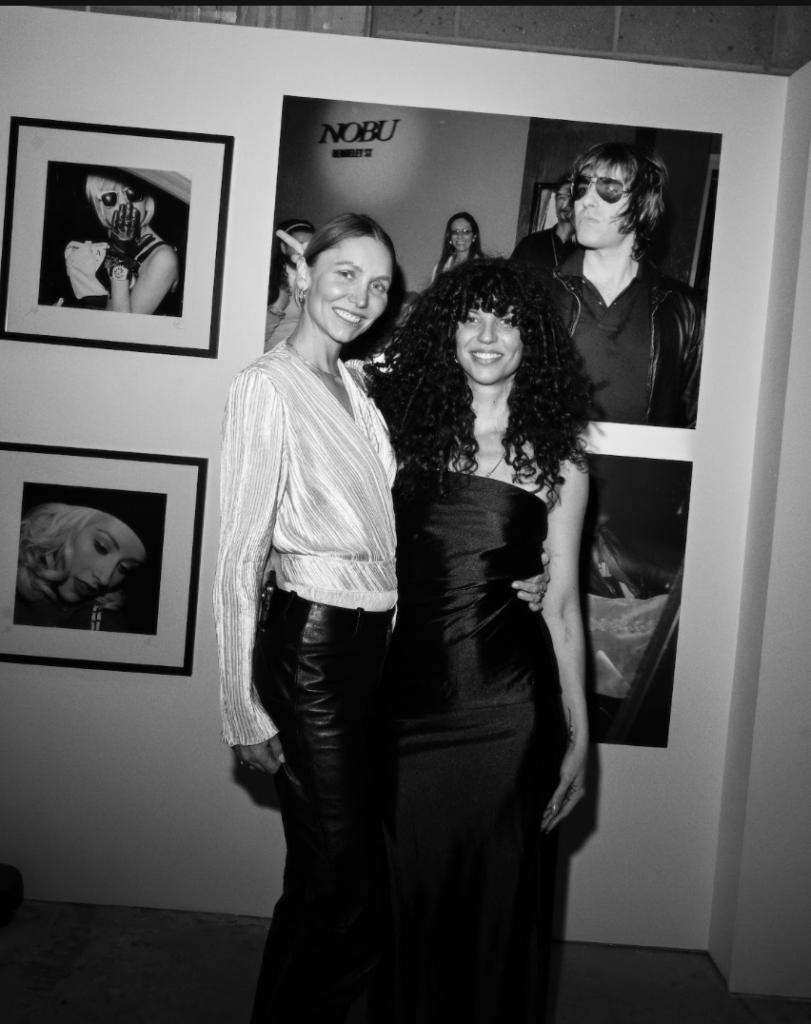
You have curated a new exhibition of Alan Chapman photographs at the ME London hotel. How does your curation differ to the original curation of Unfiltered by Lee Sharrock at Cramer Street Gallery, and how have you approached the selection and curation of the photographs for this new setting?
For me, there are two main factors when curating a space that collectively aim to achieve one purpose – emotion. Firstly, the story that needs to be told on behalf of the artist – being able to express the rawness and beauty of the photography, then secondly the location, from an interior design perspective, how has the space been designed to make you feel when within its environment. Understanding the atmosphere and uniting both elements through the curation of the artwork.
I first visited ME London Hotel by A Space For Art for their previous exhibition with Gerard Mankowikz. Walking into the glam of the Marconi Lounge, I experienced the sleekness of the black marble, stoic steel interiors, the high ceiling and windows with the contrast of black and sunlight, the major presence of celeb culture on the walls and high profile guests. I instantly knew Alan’s artwork would fit perfectly within this space. I sent Alan’s catalogue to the Ryan Monroe, Head of Curatorial from A Space of Art, and he instantaneously agreed. Thank you A Space for Art for making this come to life.’
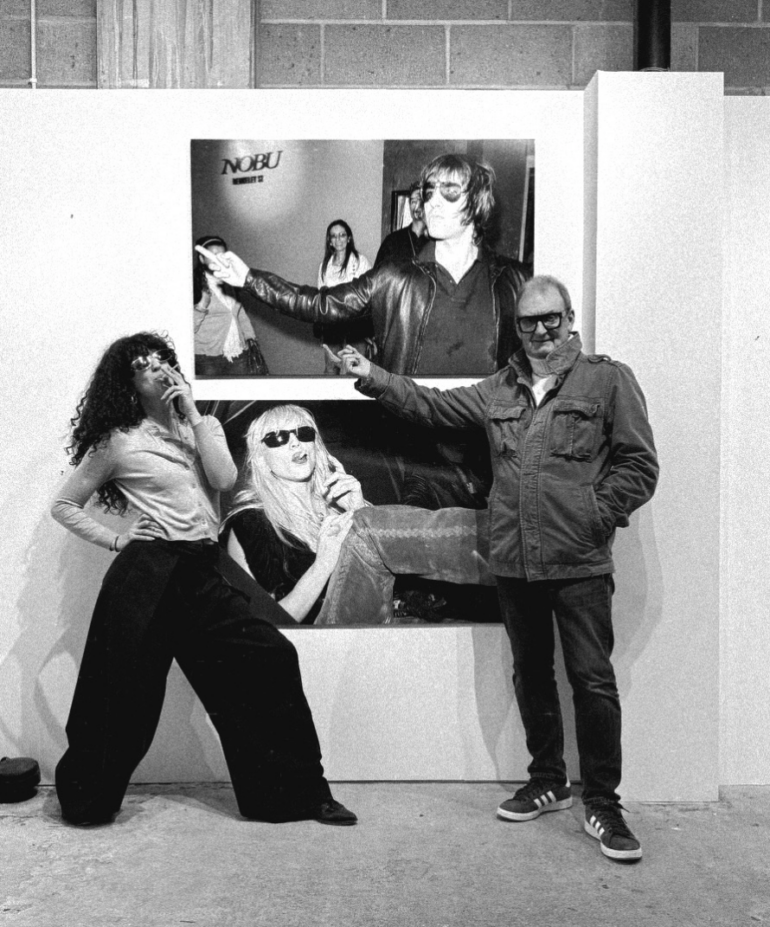
Lee Sharrock and myself captured the essence of Alan and the intimacy of his work with the selection of his works at Cramer St Gallery – so when I approached the curation of Alan’s photographs for the ME London Hotel exhibition, I absorbed the perimeters of the space and filled each area, having each celebrity photograph tell its own story in its spotlight.
With each image there is a mood, the era during which it was shot, and the personality being portrayed. This combined with the unique moment when Alan captured the subject’s spirit. Through my curation, I’ve tried to unify the flow, with each image following the other to collectively celebrate the master at work, Alan Chapman.
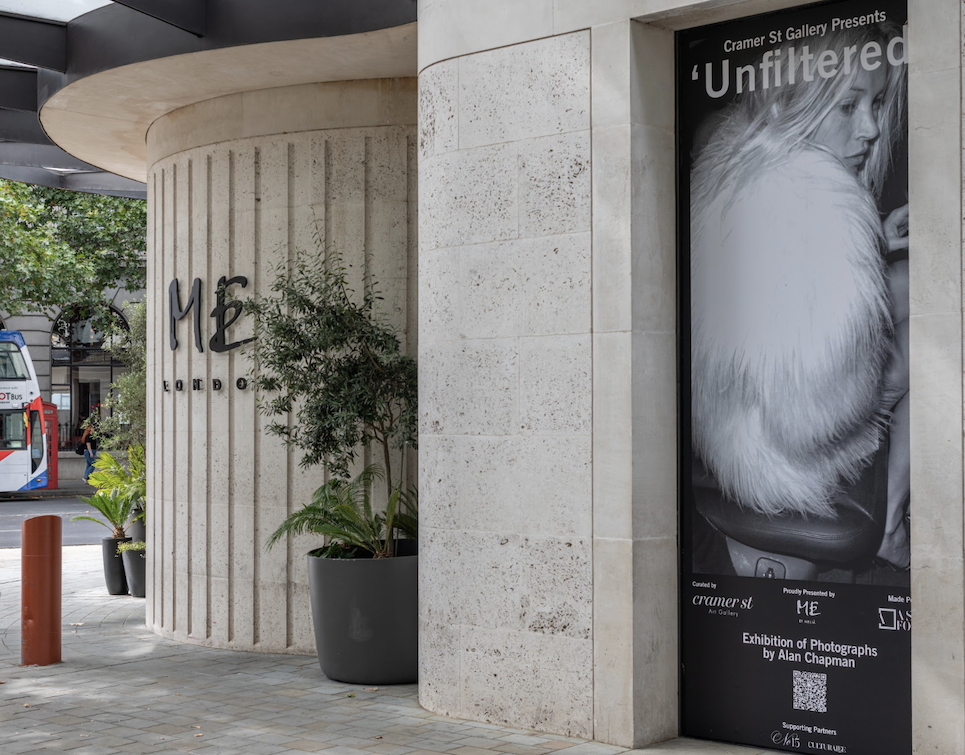
Chapman’s photographs capture celebrities without the filters and carefully controlled imagery that dominate social media today. Why do you think these candid, unfiltered portraits of iconic figures resonate particularly strongly with a younger generation growing up in the age of Instagram, TikTok and AI filters?
The uniqueness of Alan’s paparazzi photographs is that his personal character and ability to ignite connections, even in fleeting moments, is so palpably evident. Alan is a gentleman through and through: kind, generous, polite and with such a humble energy. I believe this is extremely important when interacting with people, especially celebrities. What you see in Alan’s work is eye contact and a kind of softness in each photograph, a rawness of a moment which doesn’t really exist in other paparazzi shots, which otherwise most of the time feel intrusive. Neither does that realness exist in modern day social media imagery as narratives are so strictly controlled.
The curation at ME London Hotel strips away the facade, and enables people to experience emotions of celebrities captured by Alan that aren’t common these days. We hope each image ignites a spark in the Gen Z generation, showing that living in the moment and letting go is more exciting. The nostalgia of these moments for the generations that lived through the celebrities’ era is full of joy, and serves as a reminder of what glam culture used to be like. We lived through these years where freedom of expression and character was wilder and liberating. This is how I portray what ME London Hotel want people to feel like in their Marconi Lounge and hotel. Also a thank you to No.15 By Invitation who introduced the concept and took lead with the visual branding of the ‘Unfiltered’ by Alan Chapman.