

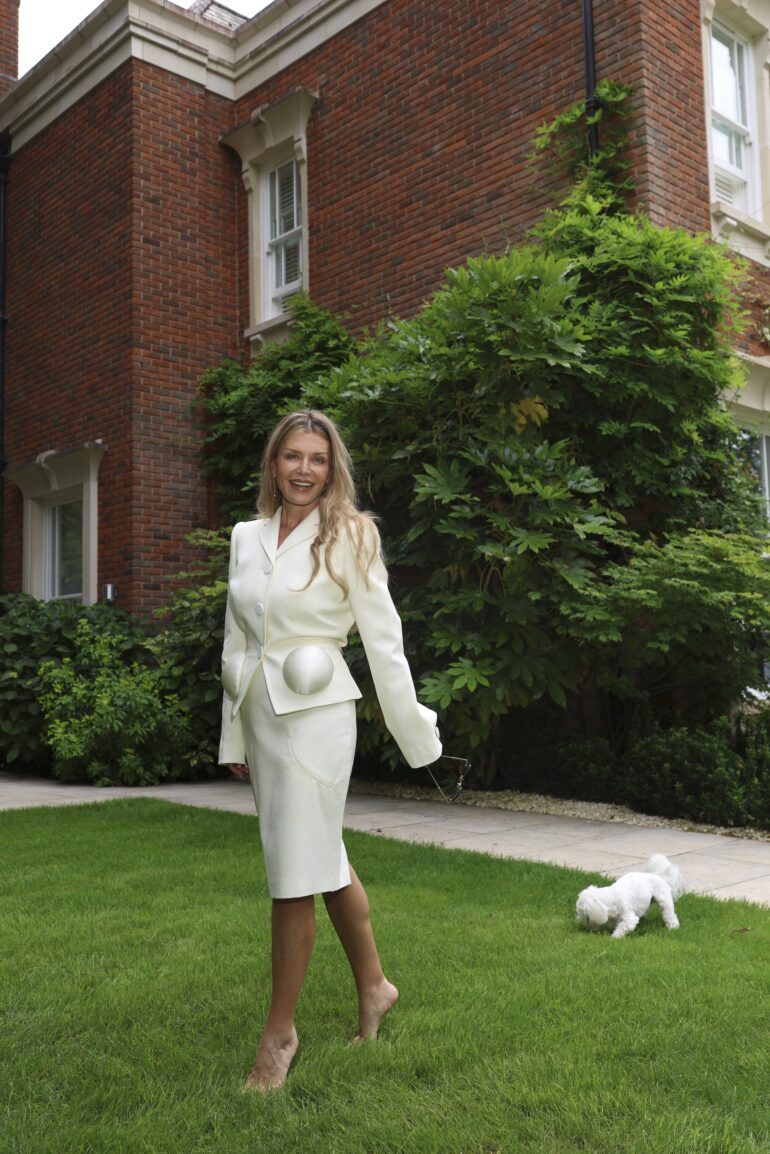
For collector and patron Alya Entts, art is as much about curiosity and connection as it is about collecting. With a professional background in mathematics, finance and aviation, Entts discovered in art a space for emotion, intuition and a different way of seeing the world. Now, through Morus Art Group, her ambition is to build meaningful, long-term relationships between artists, collectors and audiences, championing emerging talent through patronage, mentorship and cultural exchange.
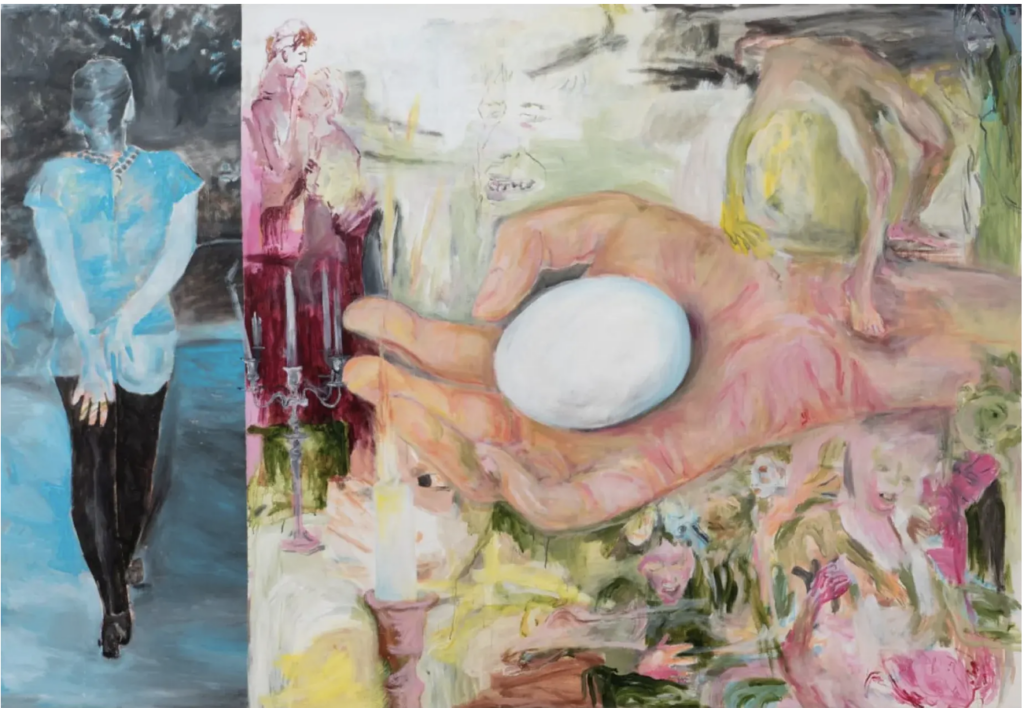
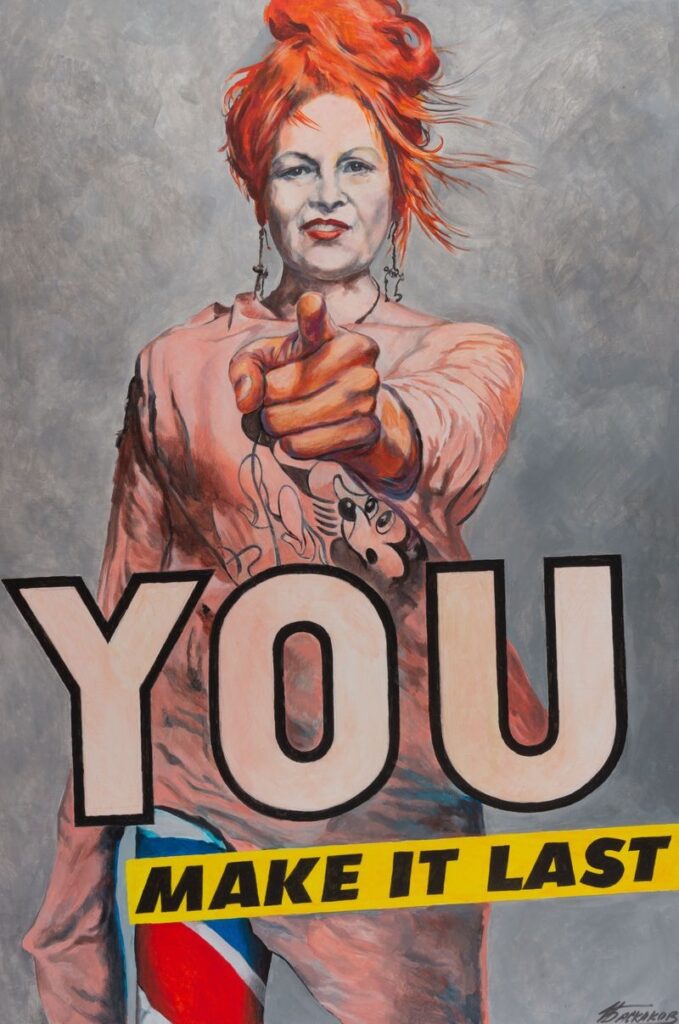
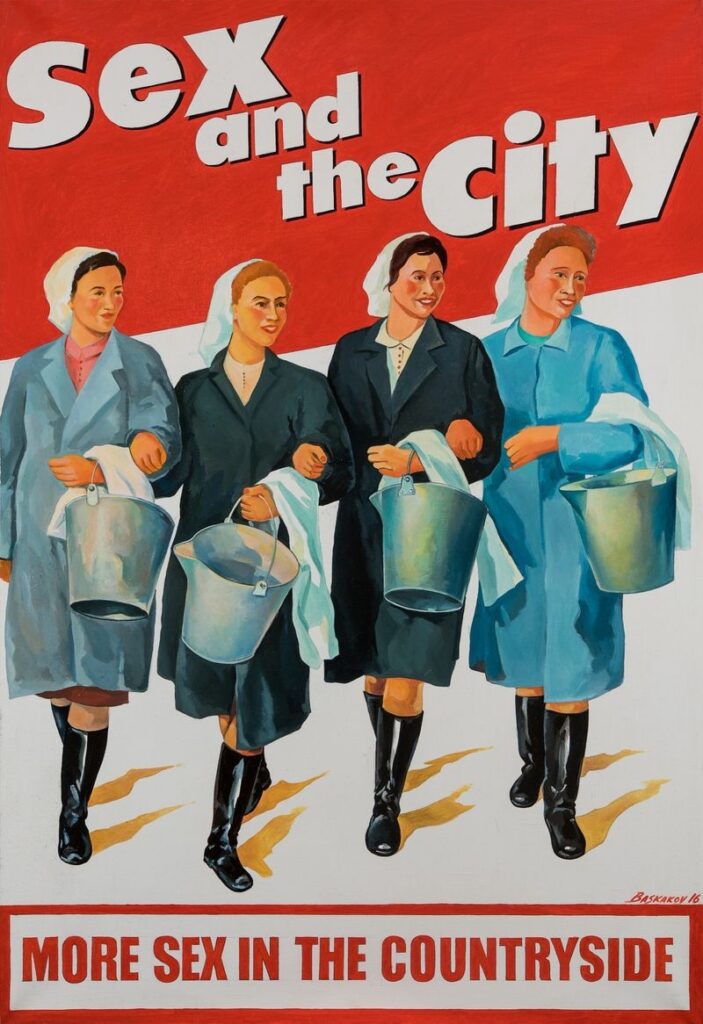
Making its first public London presentation during Frieze Week, Morus Art Group launches with Out of the Blueat The Lavery, Cromwell Place from 16-17 October 2026. Bringing together works by Olya Avstreyh, Felix James, Anush Malkhasyan and Italy-based Igor Baskakov, whose new series was commissioned by Morus, the exhibition explores how artistic careers take shape through recognition, opportunity and sustained support. The opening evening will also feature a live performance by Kirill Richter and Richter Trio.
In this Culturalee in Conversation, Entts discusses her journey from collecting to patronage, the importance of supporting artists before wider recognition arrives, and why London’s cultural diversity makes it the ideal place to introduce Morus. Reflecting on the role of private patrons today, she shares her vision for a more open and participatory art world, one in which collecting extends beyond acquisition, audiences are encouraged to trust their own responses, and art creates connections across different cultures and experiences.
How did your relationship with art begin?
Quite intuitively. My professional background is in mathematics, finance and aviation, so I spent many years in environments where things are supposed to be measurable, structured and, ideally, make sense. Art was wonderfully unhelpful in that respect.
I first became interested in it through the spaces I was creating around myself. I wanted to live with works that changed a room’s atmosphere, that made me stop or wonder why I kept looking at them. Gradually, I realised that art had become much more than an aesthetic interest. At a time of change in my own life, it became an outlet, a space for curiosity, emotion, and a different way of thinking.
What do you look for when you discover an artist or a work you want to support?
The first response is always instinctive. I have to get back to work. Many things are impressive at first sight, but the works I become attached to usually keep opening up or irritating me slightly because I still haven’t quite understood them. For me, supporting an artist shouldn’t mean trying to shape their practice to my taste. Ideally it is the opposite. You recognise something strong, and then you try not to interfere with it too much – which, for a collector, can sometimes require considerable self-control.
What role do you think private patrons can play in culture today?
I think private patrons can be particularly useful in the moments before certainty arrives. Institutions naturally have structures, committees, programmes and responsibilities. A private patron can sometimes say yes earlier: to an artist still developing, to an exhibition without an obvious audience, or to an ambitious project that needs someone to believe in it before everyone else does.
But I think that freedom also brings responsibility. Patronage should not turn artists into extensions of your identity or make you collect people instead of artworks. For me, the most meaningful form of patronage begins with listening. What does the artist actually need? Sometimes it is funding, but sometimes it is an introduction, a commission, a space, time, or simply the confidence that someone is taking the work seriously.
Why was London the right place to introduce Morus publicly?
London feels very natural to me because contradiction is almost its organising principle. You can move between completely different cultural worlds within a few streets. People arrive here carrying different languages, histories and references, and somehow these things coexist without needing to become identical. That is very close to what interests me in art. I am fascinated by what happens when practices shaped by very different experiences are put in conversation with one another – not to flatten their differences, but to make those differences more visible.
What kind of conversations would you like Morus to create between artists, collectors and audiences?
The art world can sometimes give the impression that there is one correct way to understand a work, and everybody else somehow missed the reading list. I am much more interested in what happens when people bring their own experiences to it.
For collectors, I hope Morus encourages a relationship with art that goes beyond acquisition: understanding how an artist works, following a practice over time and recognising that collecting can also involve responsibility and participation. For artists, I hope it creates encounters with people who might approach their work from completely unexpected perspectives. And for audiences, I would like there to be permission simply to look, respond, ask questions and occasionally say, “I don’t understand this yet.”
I am particularly interested in the moment when someone recognises something deeply familiar in a work from a culture or experience very different from their own. Art can create that kind of connection without pretending that our experiences are all the same. But it can open the door. And, importantly, it lets the conversation continue after everyone leaves the exhibition and the paintings go back into their crates.
Follow Morus Art Group here.
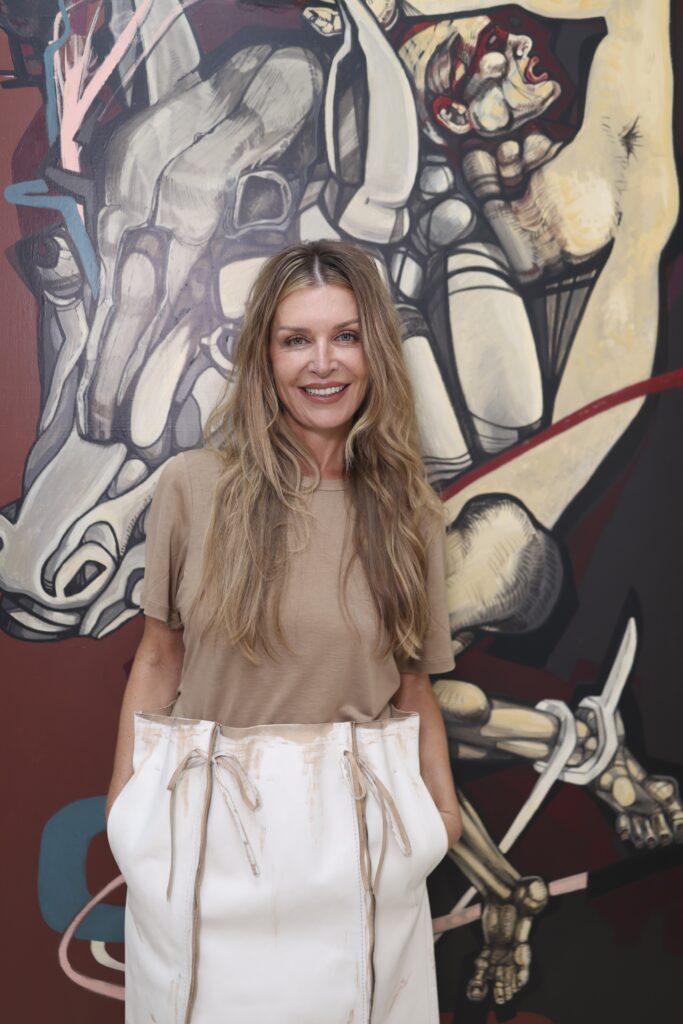
Patronage should not turn artists into extensions of your identity or make you collect people instead of artworks. For me, the most meaningful form of patronage begins with listening. What does the artist actually need? Sometimes it is funding, but sometimes it is an introduction, a commission, a space, time, or simply the confidence that someone is taking the work seriously.” Morus Art Group Founder Alya Entts