

UK-based Nigerian photographer Oluwatobi Ogundunsin has developed a quietly compelling visual language rooted in portraiture, memory and emotional atmosphere. Across his growing body of work, Ogundunsin demonstrates a remarkable sensitivity to the psychological space between photographer and sitter, creating images that feel both intimate and monumental. His portraits are distinguished by their stillness and filled with moments suspended in soft light where gesture, texture and expression become charged with emotional depth.
Ogundunsin works across studio and location settings, lensing his subjects with empathy and restraint. He sets out to avoid spectacle in favour of subtle human presence. Ogundunsin’s attention to light, in particular the way it settles across skin, fabric and shadow, owes a debt to Caravaggio and gives his photographs an almost painterly quality. There are echoes of acclaimed Malian photographer Malick Sidibé in the warmth and immediacy of his portraiture, especially in the way he allows the personality and atmosphere of his sitters to emerge naturally through the lens. Yet Ogundunsin’s practice also aligns with a younger generation of contemporary African and African diaspora photographers such as Thandiwe Muriu and Hassan Hajjaj, whose work merges fashion aesthetics, identity politics and vibrant colour into highly stylised visual worlds.
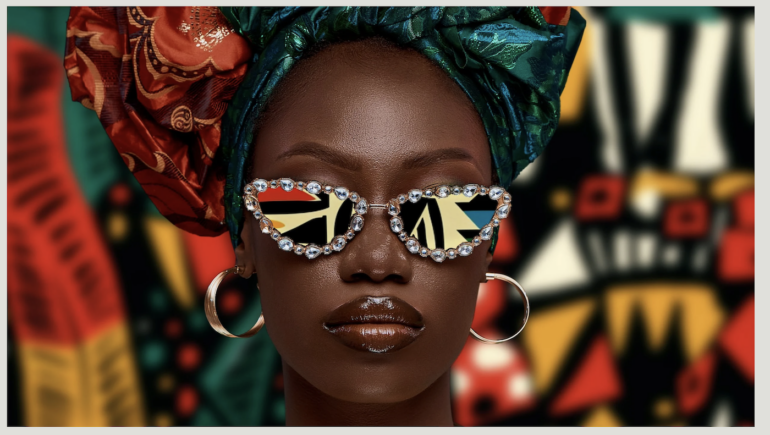
This clever interplay between tradition and reinvention is especially evident in The Gele’s Grace, one of Ogundunsin’s most visually striking series. Centred around the gele – the sculptural Yoruba headwrap traditionally worn by women – the photographs transform adornment into an architectural statement of presence and cultural pride. Saturated colours, refined compositions and carefully choreographed poses elevate the subjects beyond portraiture into the realm of iconography. Despite the visual elegance of his images, Ogundunsin’s photographs never feel distant or performative. Rather, he approaches the gele as a symbol of personal cultural inheritance and also a contemporary adornment, allowing it to operate simultaneously as fashion, memory and identity.
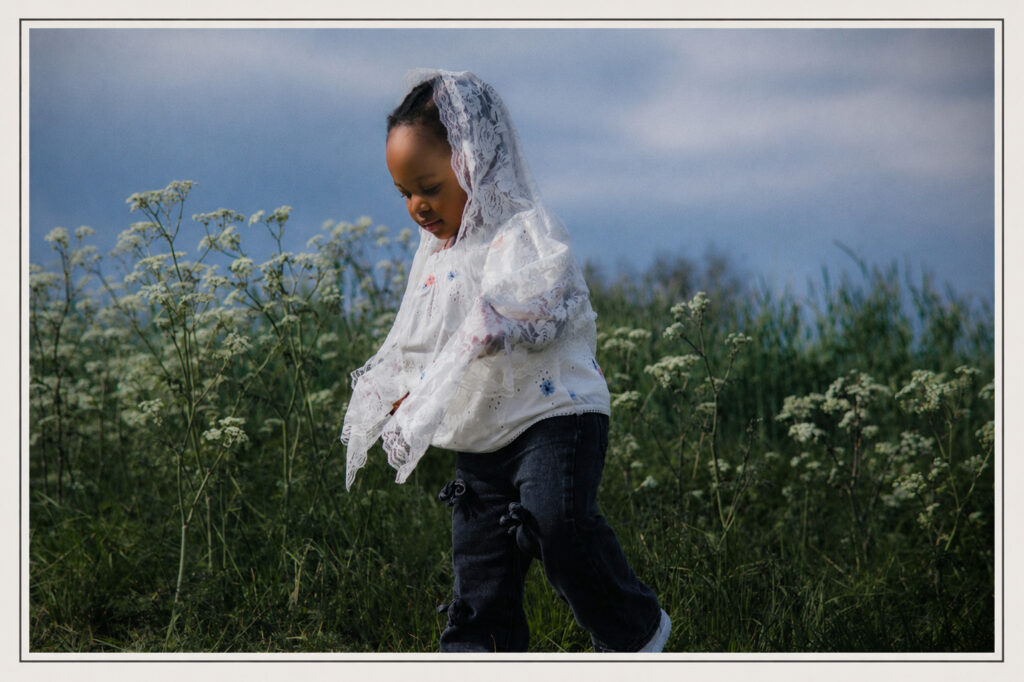
A more introspective sensibility is evident in his recent series Passages of Innocence, where the atmosphere becomes quieter and more contemplative. The photographs depicting a young girl playing happily in a field explores vulnerability and emotional transition through softened palettes and restrained compositions. Rather than documenting innocence literally, Ogundunsin reflects on its fragility, the fleeting emotional spaces between youth, memory and self-awareness. There is a cinematic quality to the series where silence itself becomes part of the visual language.
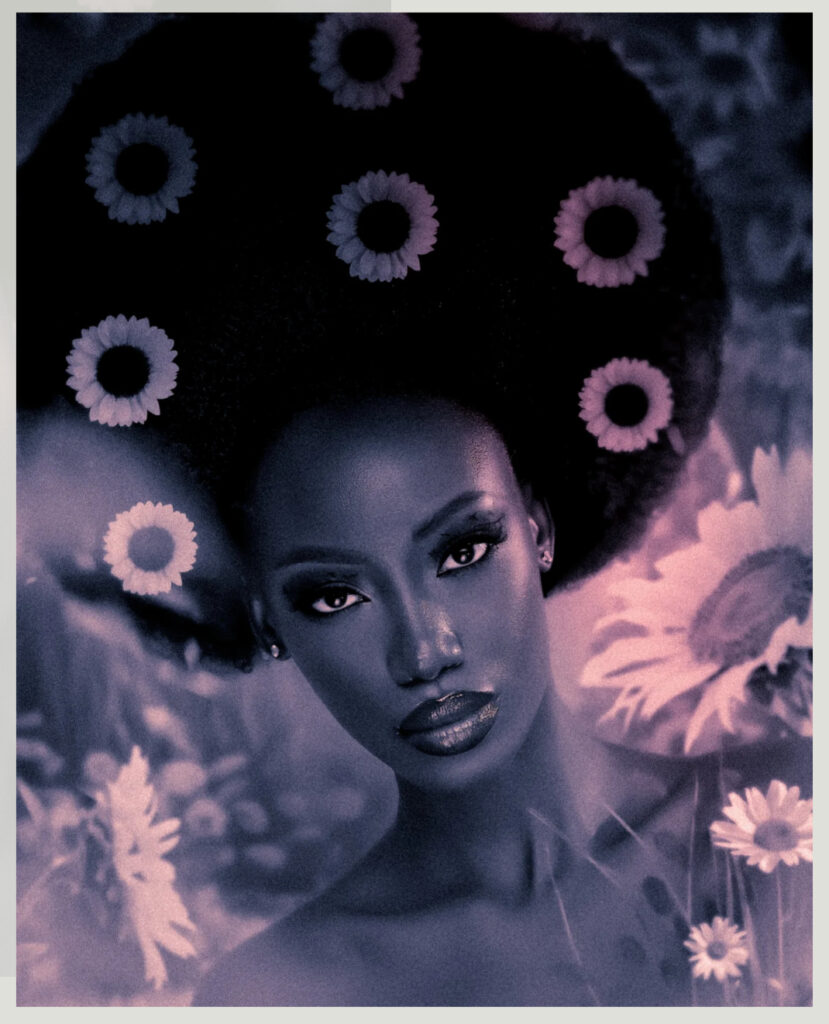
Earlier conceptual works such as Bloom of Consciousness have an almost hyperreal sensibility, featuring a classically beautiful woman, her hair adorned with flowers and butterflies like an African Queen version of Frida Kahlo. The series explores inner awakening and emotional selfhood through layered symbolism and meditative portraiture. Across these works, Ogundunsin demonstrates an interest not simply in photographing people, but in visualising interior states of being. His portraits often feel like emotional landscapes as much as representations of individuals.
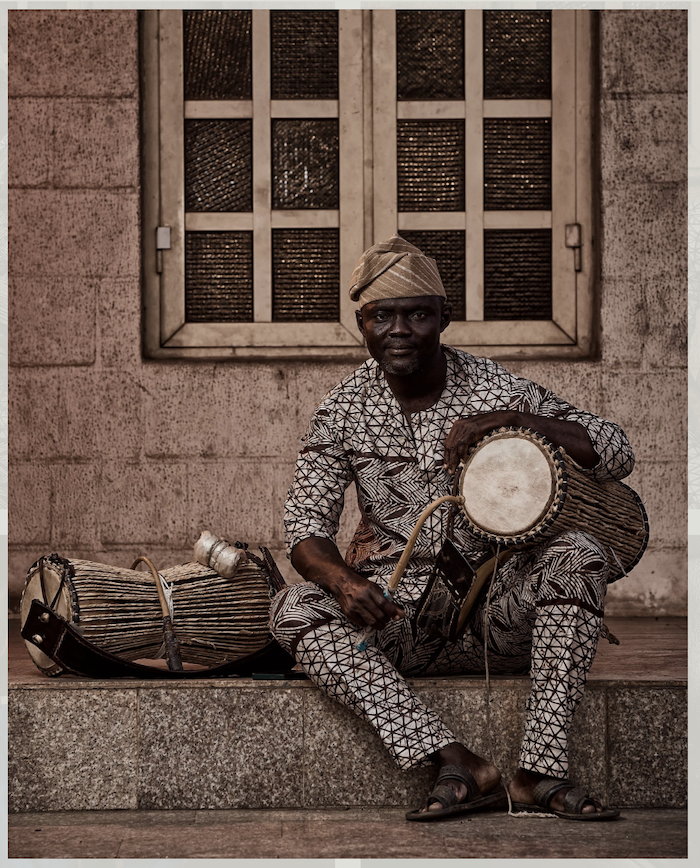
Equally affecting is Echoes of The Talking Drum, a visual meditation on rhythm, ancestry and cultural memory. His portraits of an elderly musician whose deeply lined face becomes a living archive of experience are particularly memorable. Ogundunsin photographs him with extraordinary dignity and tenderness, allowing every wrinkle, gesture and expression to speak of resilience, wisdom and time. The drum itself functions as both instrument and metaphor, a carrier of stories across generations.
What ultimately distinguishes Ogundunsin’s practice is his ability to balance beauty with emotional intelligence. His photographs are formally elegant, but never empty. Beneath their compositional precision lies an enduring concern with heritage, vulnerability and human connection. In an era increasingly dominated by speed and image saturation, Ogundunsin’s portraits invite viewers to pause, reflect and truly look.

Follow Oluwatobi Ogundunsin here.