

From Renoir and Impressionism to 1990s art and fashion, Tim Walker’s Queer portraiture, Frieze Sculpture and Cecilia Vicuña, these are six of the best exhibitions to see in London this October.
October marks the beginning of London’s peak art season, with the capital’s galleries and museums presenting a particularly rich programme of exhibitions spanning historic painting, contemporary art, photography, fashion, sculpture and textiles. From the National Gallery and Tate Britain to the National Portrait Gallery and Whitechapel Gallery, this month offers an opportunity to encounter major international artists alongside exhibitions exploring some of the most influential cultural movements of recent decades.
For this month’s Six Culturalee Picks, we select six exhibitions worth making time for – including a major Renoir retrospective, Edward Enninful’s take on the cultural legacy of the 1990s, Tim Walker’s celebration of Queer life, Frieze Sculpture in Regent’s Park, a rediscovery of Anthony Lawrence and the first major UK exhibition of Cecilia Vicuña.
Renoir & Love at the National Gallery
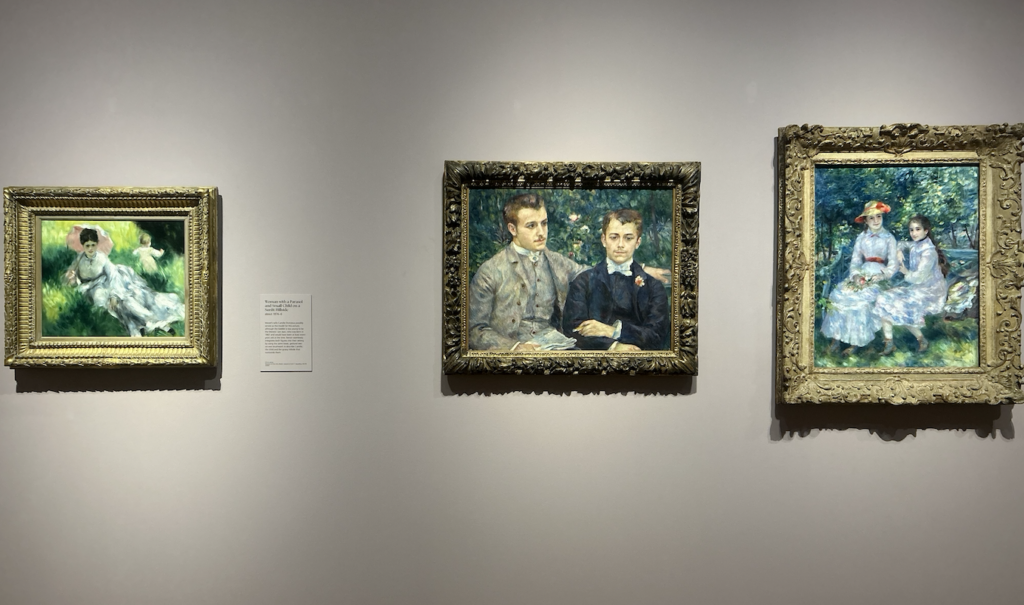
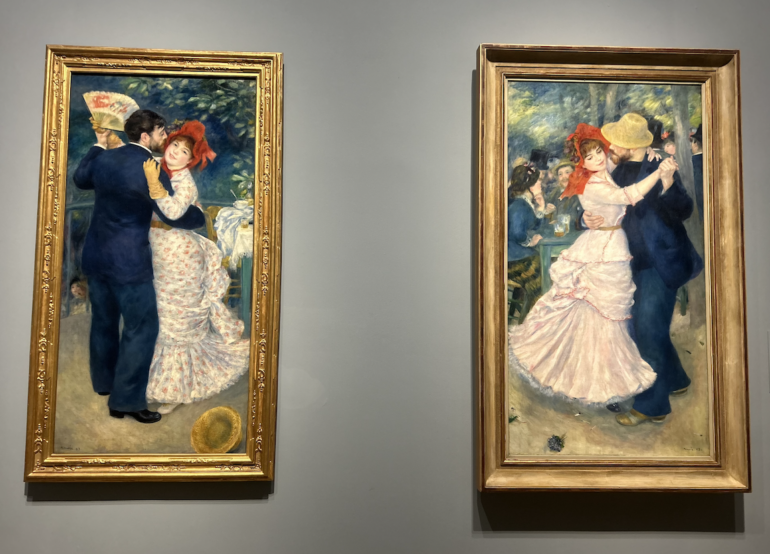
October begins with a major exhibition devoted to Pierre-Auguste Renoir, bringing together 45 paintings from collections around the world. Renoir & Love focuses on the crucial period from the mid-1860s to the mid-1880s, when the French Impressionist was experimenting with style, subject and the possibilities of modern painting.
Organised in partnership with the Musée d’Orsay, Paris, and the Museum of Fine Arts, Boston, the exhibition explores Renoir’s fascination with modern life and, particularly, the social interactions and romantic encounters that increasingly appeared in his work.
One of the major highlights is Bal au Moulin de la Galette (1876), Renoir’s celebrated depiction of Parisian social life, which comes to the UK from the Musée d’Orsay for the first time. The painting transports visitors to Montmartre, where sunlight, movement, music and conversation merge into one of Impressionism’s most recognisable visions of modern Paris.
Across the exhibition, gardens, dance halls, cafés and newly emerging public spaces become stages for human interaction. More than a third of the canvases Renoir painted during these pivotal decades depict scenes of modern love and sociability, revealing an artist increasingly interested in the pleasures, freedoms and complexities of contemporary life.
Renoir & Love is the National Gallery’s first exhibition devoted to Renoir since 2007 and represents the most significant UK presentation of his work in two decades.
Renoir & Love National Gallery 3 October 2026 – 31 January 2027
The 90s: Art and Fashion at Tate Britain
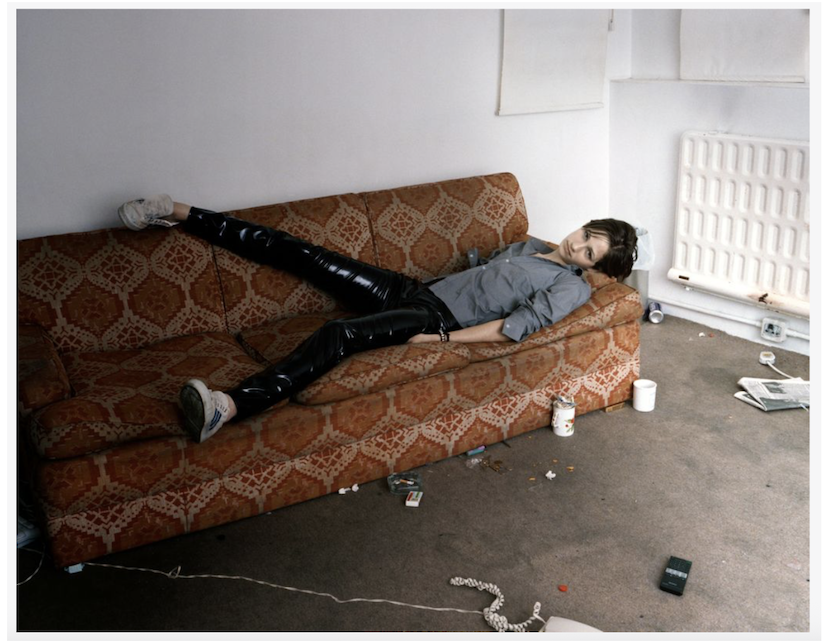
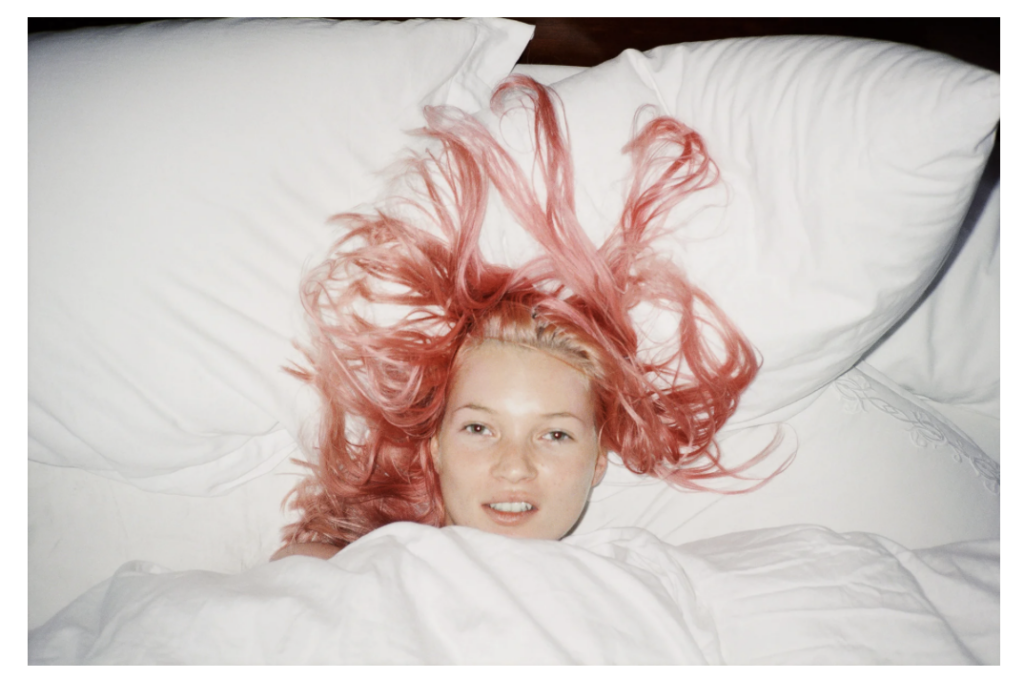
Few decades have had quite the cultural impact of the 1990s. At Tate Britain, Edward Enninful OBE draws on his personal experience of the period to explore a decade when art, fashion, photography, music and popular culture collided to create a new creative landscape.
The 90s: Art and Fashion examines the explosion of creativity that accompanied a period of social and cultural change in Britain. Emerging from recession, the decade was characterised by a renewed sense of possibility, rebellion and experimentation, while established hierarchies between high art and popular culture increasingly began to break down.
The exhibition brings together photography, fashion, art, design, film and music culture. Iconic photographs by Juergen Teller, David Sims and Corinne Day are presented alongside work by artists including Steve McQueen, Damien Hirst, Sarah Lucas and Yinka Shonibare.
Fashion is equally central to the story, with work connected to designers including Vivienne Westwood, Alexander McQueen and John Galliano, reflecting the increasingly porous relationship between the catwalk, the gallery, the nightclub and the street. Rather than treating the 1990s simply as a nostalgic cultural moment, the exhibition considers the decade’s continuing influence – and the ways in which its creative freedoms, contradictions and challenges continue to resonate today.
Tate Britain – The 90s: Art and Fashion 8 October 2026 – 14 February 2027
Tim Walker’s Fairyland: Love and Legends at the National Portrait Gallery
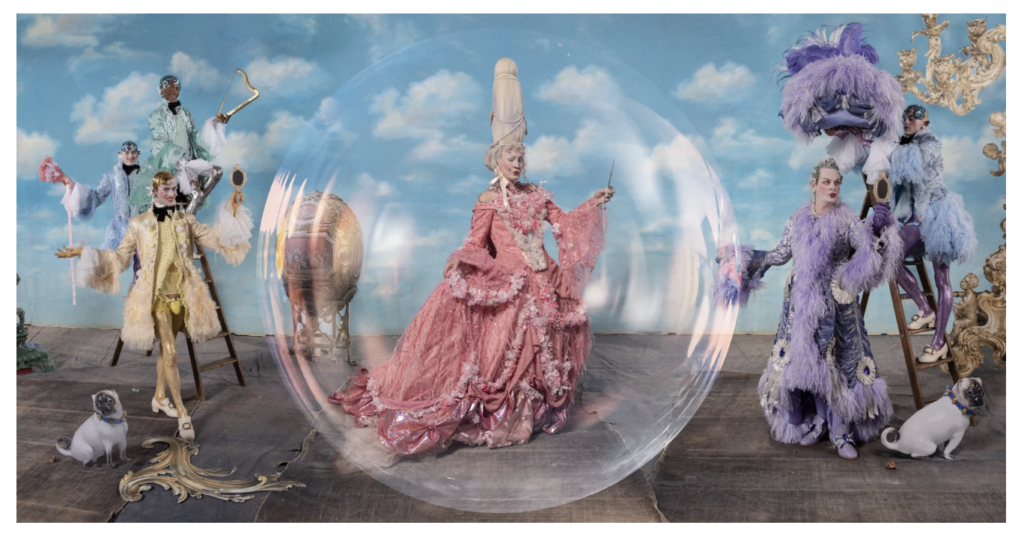
At the National Portrait Gallery, photographer Tim Walker turns his fantastical visual language towards a major new project celebrating Queer culture and life. Tim Walker’s Fairyland: Love and Legends is the result of five years of encounters with Queer people and their allies in Britain and beyond. The exhibition presents around 250 specially created portraits, bringing together internationally recognised figures with activists, social workers, nightlife performers, musicians and members of wider Queer communities. Among the sitters are Chappell Roan, Ian McKellen and Miriam Margolyes, alongside a much broader constellation of people whose stories contribute to the exhibition’s expansive portrait of Queer life.
Walker first became known internationally during the 1990s for his highly imaginative fashion photography, developing a distinctive world of elaborate sets, theatrical characters and dreamlike narratives. His work has appeared in publications including Vogue, Vanity Fair, W, Love, Another Man and i-D.
Curated by Susanna Brown, the exhibition has been designed by Walker’s longtime collaborator Shona Heath. Its presentation deliberately engages with the National Portrait Gallery’s historic surroundings, bringing together established figures and less familiar stories from Queer history. The title Fairyland deliberately reclaims a historically derogatory term, transforming it through Walker’s characteristic combination of theatricality, humour, tenderness and visual invention.
Tim Walker’s Fairyland: Love and Legends at National Portrait Gallery 9 October 2026 – 7 February 2027
Frieze Sculpture 2026 at The Regent’s Park
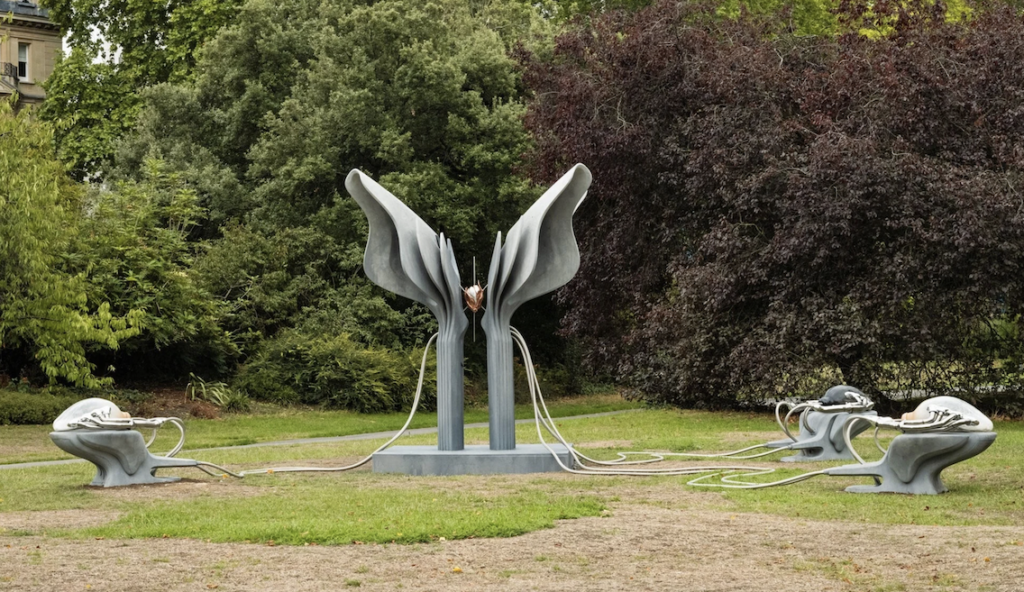
For those looking to escape the traditional gallery environment, Frieze Sculpture returns to Regent’s Park this autumn, transforming the park’s historic English Gardens into an open-air exhibition of contemporary sculpture. Curated for a fourth consecutive year by Fatoş Üstek, the 14th edition brings together work by 11 leading international artists, creating an encounter between contemporary sculpture and the landscape of Regent’s Park.
Among the highlights are Ivana Bašić’s Metanoia (2025), presented by Albion Jeune; Matyáš Chochola’s METEOR, BRUTALIST and MACE II (2024), presented by The Chemistry Gallery; Özlem Günyol and Mustafa Kunt’s Possibilities for a Sculpture (2026), presented by Dirimart; and Tarini Sethi’s The Sun Bathes Its Friends and Neighbours (2026), presented by Rajiv Menon Contemporary.
Sethi’s work draws on Indian visual and cultural traditions – from mythology and miniature painting to tribal practices – to imagine spaces in which the body becomes a site of transformation.
Her installation comprises four stainless-steel panels depicting hybrid bodies that resist fixed ideas of identity, biology and gender. Situated within the park, the work becomes part of a larger dialogue between sculpture, landscape and the public. Free to visit, Frieze Sculpture remains one of London’s most accessible ways to encounter major contemporary art during the city’s autumn art season.
Frieze Sculpture is in The Regent’s Park from 16 September – 1 November 2026
Anthony Lawrence: A Practical Guide to Aesthetics at St John’s, Waterloo
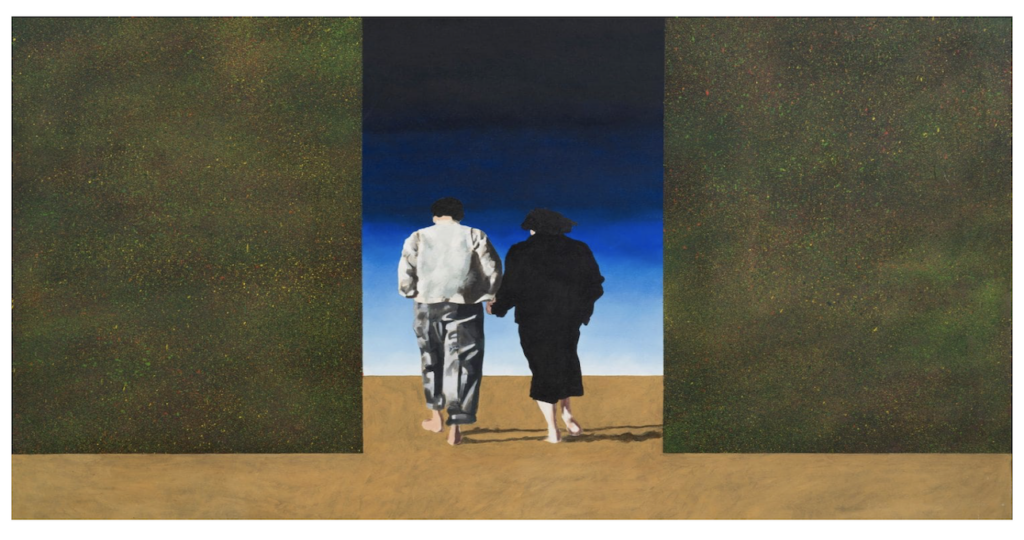
Coinciding with Frieze Week, Anthony Lawrence: A Practical Guide to Aesthetics brings the work of the late British artist Anthony Lawrence (1951–2022) to the Old Crypt at St John’s Church in Waterloo.
Lawrence worked intensively across five decades, producing an extensive body of paintings that encompassed portraiture, religious and spiritual imagery and ambitious thematic series. The exhibition offers an opportunity to encounter newly restored paintings from Lawrence’s early 1990s work alongside major pieces from his grand thematic projects, including Dante, Tannhäuser and The Damned Demoiselles.
There is also a strong emphasis on the artist’s portraits and religious and spiritual paintings, revealing the breadth of a practice that moved between historical references, mythology, literature, spirituality and the possibilities of painting itself. Staged in the atmospheric Old Crypt at St John’s Church, the exhibition provides an intriguing counterpoint to the major institutional exhibitions and commercial activity taking place across London during Frieze Week.
Anthony Lawrence A Practical Guide to Aesthetics at St John’s, Waterloo 16 – 23 October 2026
Cecilia Vicuña: Living Threads at Whitechapel Gallery
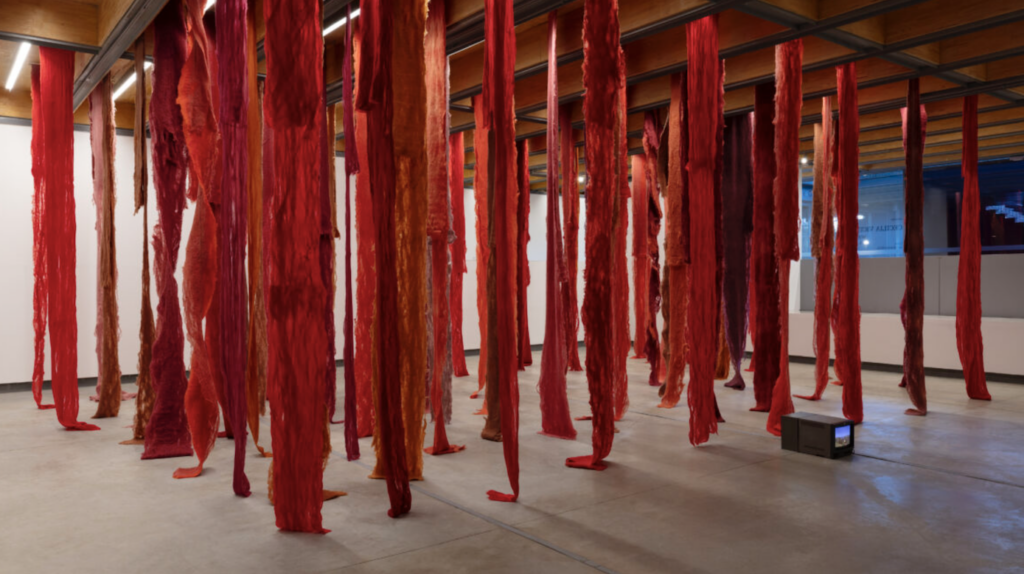
At Whitechapel Gallery, Cecilia Vicuña: Living Threads presents the first major UK exhibition of the internationally acclaimed Chilean artist, poet and activist. Spanning six decades, the exhibition explores Vicuña’s remarkably interdisciplinary practice, bringing together painting, textiles, photography, installation, film, poetry, performance, ritual and activism.
Born in Santiago in 1948, Vicuña came to London in the early 1970s following the military coup in Chile in 1973. She studied at the Slade School of Fine Art between 1972 and 1974 and established a studio in Stepney Green – making London an important formative location within her practice.
Her experience of displacement and political upheaval became intertwined with her artistic development. During her time in London, Vicuña’s work became increasingly concerned with themes of loss, political violence, instability and liberation, while her practice continued to dissolve conventional boundaries between art, poetry, ecology and activism.
Living Threads provides an opportunity to understand the evolution of an artist whose work has consistently challenged distinctions between the personal and political, the intimate and monumental, and the handmade and conceptual. The exhibition’s emphasis on textiles is particularly significant. Across Vicuña’s practice, thread, fibre and fragile assemblages become carriers of memory and connection, while her work continually asks how art can respond to social and environmental change.
For an artist whose relationship with London dates back more than five decades, the Whitechapel exhibition also brings Vicuña’s story full circle – returning to the city that played such an important role in the formation of her artistic identity.
Cecilia Vicuña: Living Threads at Whitechapel Gallery is at the Whitechapel Gallery from 7 October 2026 – 14 February 2027