

From the rise of the Young British Artists and the birth of Britpop and acid house to the provocative fashion of Alexander McQueen, Hussein Chalayan and Vivienne Westwood, the 1990s transformed Britain’s cultural landscape. Now, Tate Britain is looking back at the decade with The 90s: Art and Fashion, the first major exhibition to explore the interconnected worlds of 1990s art, photography and fashion. The exhibition runs from 8 October 2026 to 14 February, 2027.
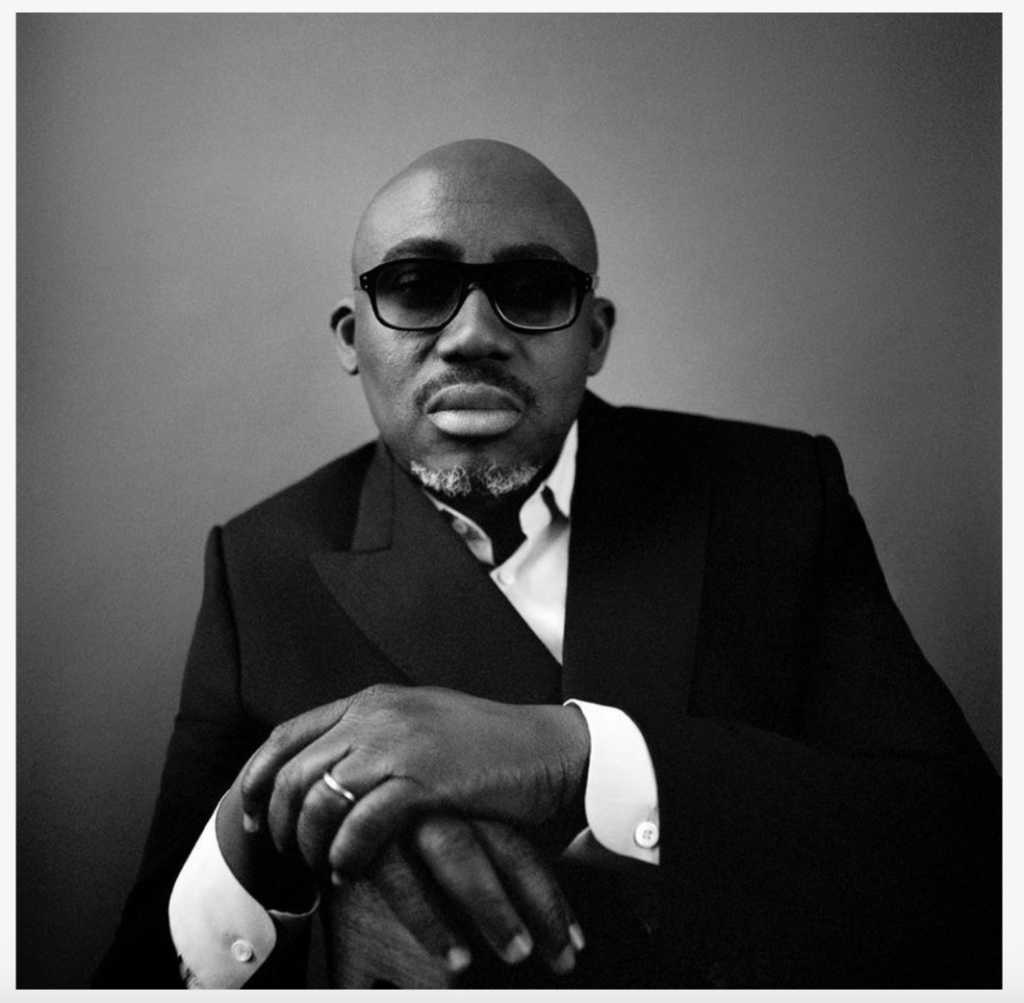
Curated by Edward Enninful OBE with Jessica Vaughan, Helen Little, Dominique Heyse-Moore, Alex Farquharson and Celeste McEvoy. The exhibition features work by Abigail Lane, Alexander McQueen, Barbara Walker, Cathy de Monchaux, Cerith Wyn Evans, Chris Ofili, Corinne Day, Craig McDean, Damien Hirst, David Sims, David Swindells, Donald Rodney, Eddie Otchere, Eileen Perrier, Elaine Constantine, Ewen Spencer, Gary Hume, Gillian Wearing, Hamad Butt, Helen Chadwick, Hussein Chalayan, Jake and Dinos Chapman, Jenny Saville, Joe Casely-Hayford, John Galliano, Juergen Teller, Koto Bolofo, Mark Leckey, Maud Sulter, Nick Knight, Nigel Shafran, Normski, Ozwald Boateng, Rachel Whiteread, Roshini Kempadoo, Sam Taylor-Johnson, Sarah Lucas, Steve McQueen, Tracey Emin, Vivienne Westwood, Wolfgang Tillmans, Yinka Shonibare and many more.
Opening on 8 October 2026, the exhibition brings together almost 70 artists, photographers and designers and more than 100 paintings, sculptures, photographs, films and garments. Curated by Edward Enninful OBE, alongside Tate Britain curators Jessica Vaughan, Helen Little, Dominique Heyse-Moore and Celeste McEvoy, with Tate Britain Director Alex Farquharson, the exhibition revisits a period defined by creative experimentation, DIY culture and an increasingly blurred boundary between art, fashion, music and popular culture.
For Enninful, whose career was shaped by the visual culture of the decade, the exhibition offers an opportunity to reconsider the 1990s beyond its familiar mythology of ‘Cool Britannia’.
From Grunge to the YBAs
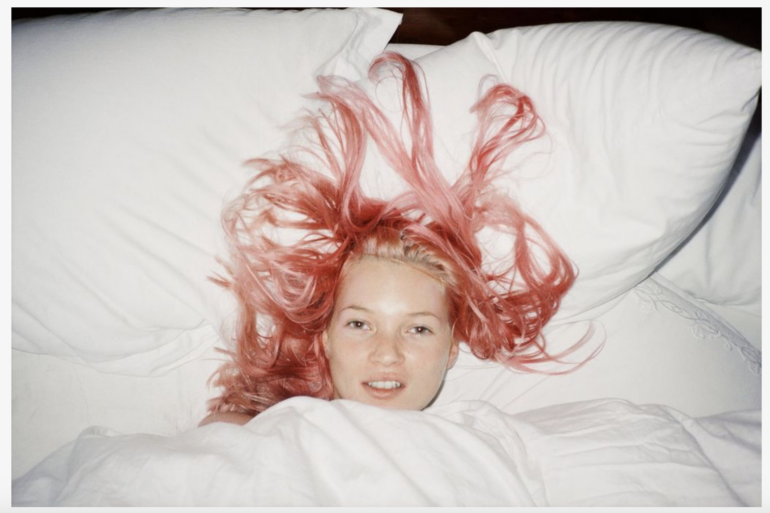
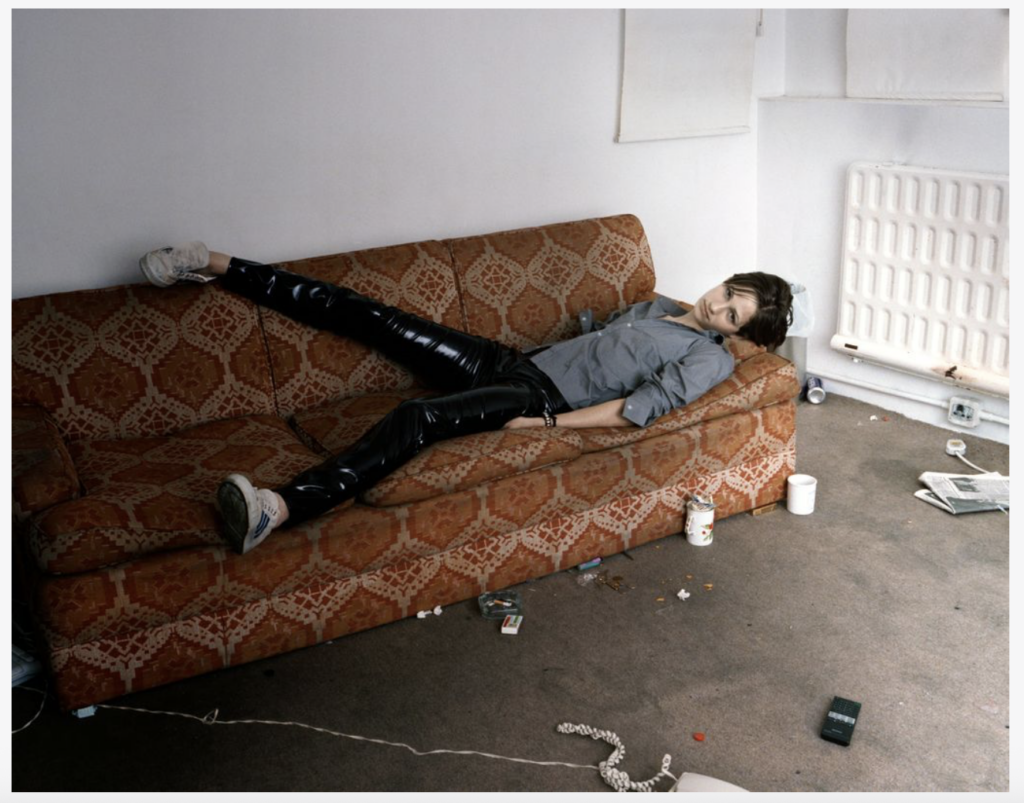
Emerging from the economic uncertainty of the 1980s, the 1990s produced a generation of artists and creatives who embraced imperfection, immediacy and a DIY approach. Photography played a crucial role in capturing this new sensibility, with Corinne Day, Nigel Shafran and Juergen Teller documenting a generation that rejected the polished conventions of mainstream fashion imagery.
Magazines including i-D and Dazed & Confused became influential platforms for this emerging visual language, helping establish an ‘anti-fashion’ aesthetic rooted in grunge, individuality and real-life experience. The decade also saw mainstream ideas of beauty challenged by photographers and artists including Roshini Kempadoo and Eileen Perrier, while Kate Moss’s appearance in Liza Bruce’s sheer slip dress became one of the era’s defining fashion images.
At the same time, ordinary people became the subjects and muses of artists including Barbara Walker, Jenny Saville and Gillian Wearing. The YBAs brought a provocative new energy to the British art scene, with Tracey Emin, Sam Taylor-Johnson and Sarah Lucas producing work that confronted questions of identity, agency, sexuality and class with an often deliberately confrontational directness.
Art, Nightlife and the Birth of Club Culture
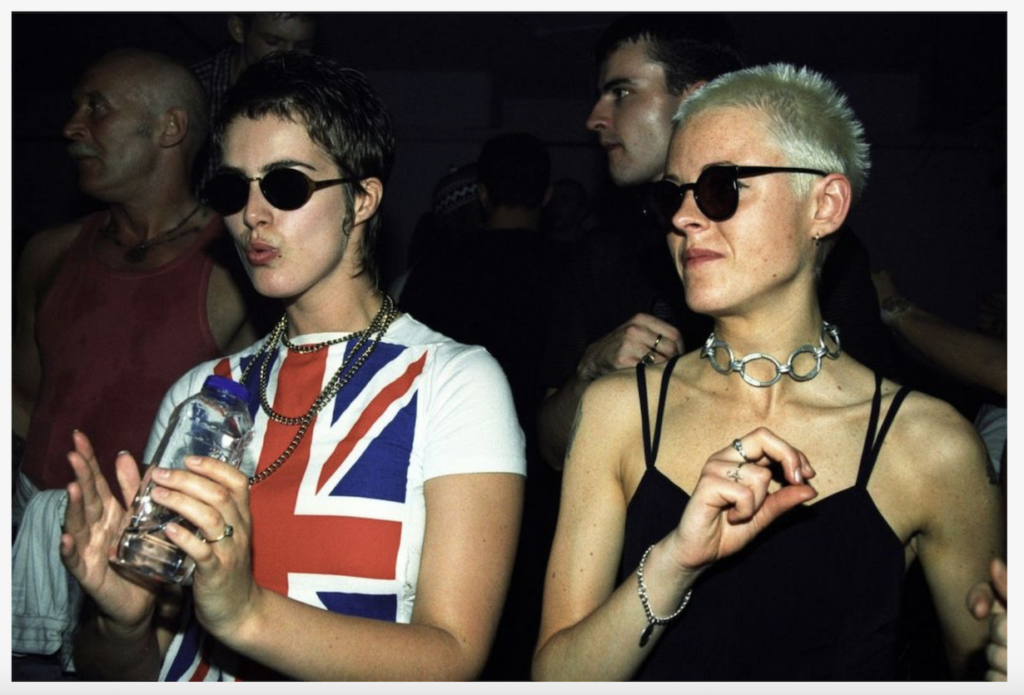
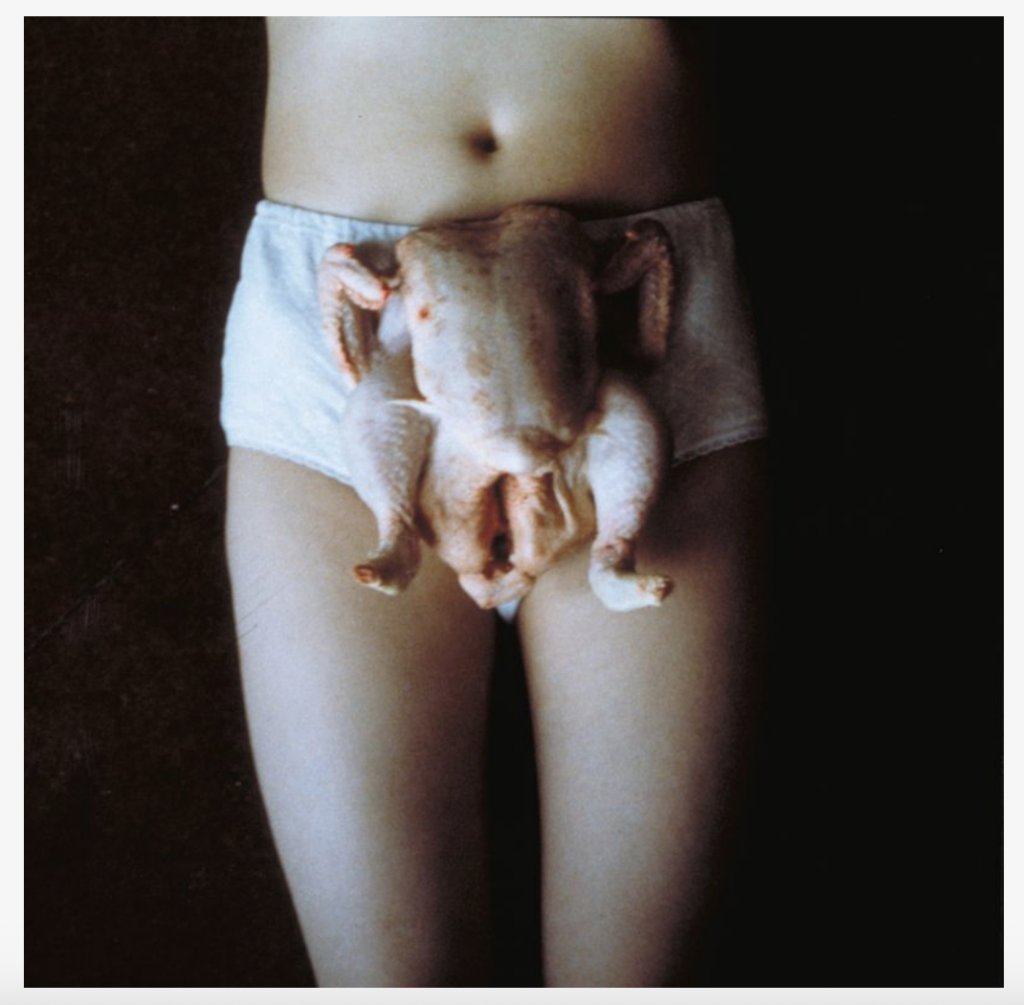
The 1990s cannot be understood without its nightlife. Britain’s clubs, raves and underground scenes became spaces for experimentation and self-expression, creating an alternative cultural network that connected music, fashion, photography and art.
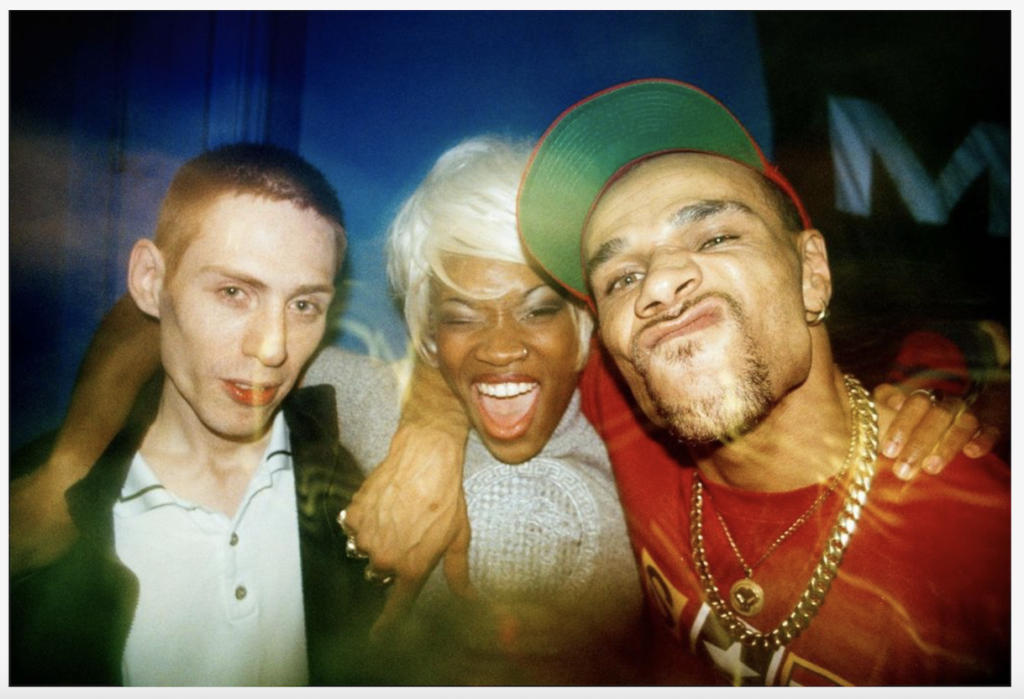
Mark Leckey’s 1999 film Fiorucci Made Me Hardcore captures the intensity of British dance culture, while photographs by Dave Swindells, Peter J Walsh and Tony Davis document the emergence of acid house. The rise of jungle, hip-hop and drum and bass is represented through images by Normski, Eddie Otchere and Ewen Spencer, while photographers including Poulomi Desai, Stuart Linden Rhodes and Jon Shard capture the energy of queer club culture.
The exhibition also explores the free-party and rave scene through the work of Seana Gavin and Vinca Petersen, whose photographs evoke a counterculture fuelled by flyers, payphones, travelling sound systems and a desire to escape the mainstream. Elaine Constantine’s Burn Up Northampton similarly records the youthful world of boy racers and the subcultures that flourished beyond London’s cultural centre.
Beyond ‘Cool Britannia’
The mythology of 1990s Britain is often associated with optimism, multiculturalism and ‘Cool Britannia’, but The 90s: Art and Fashion also examines the people and communities who were excluded from that celebratory narrative.
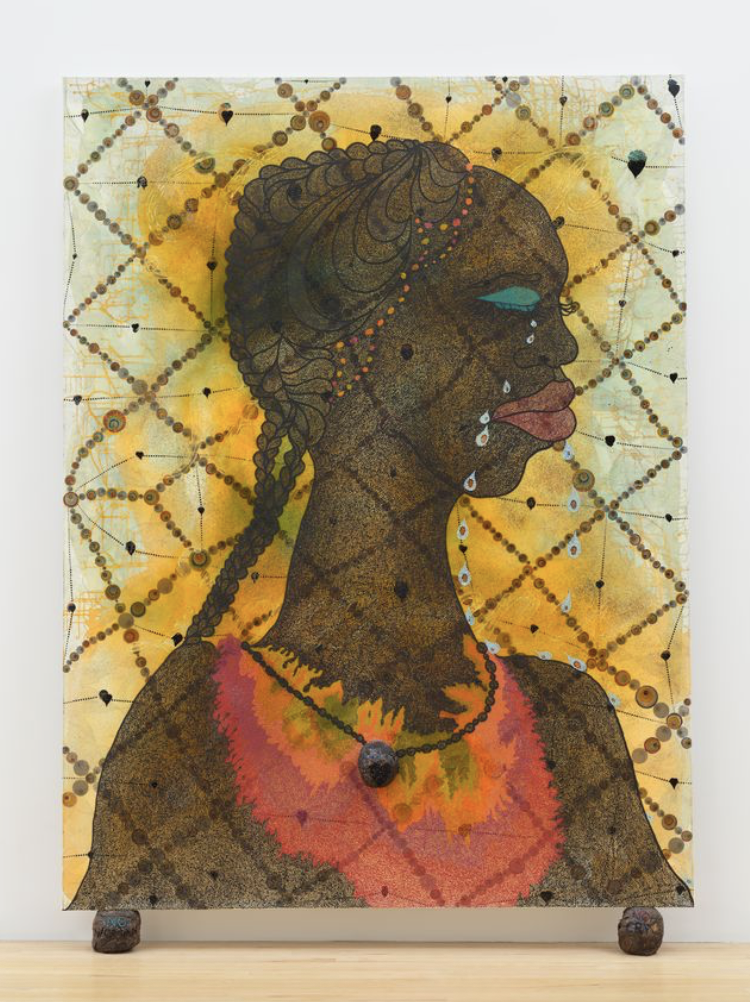
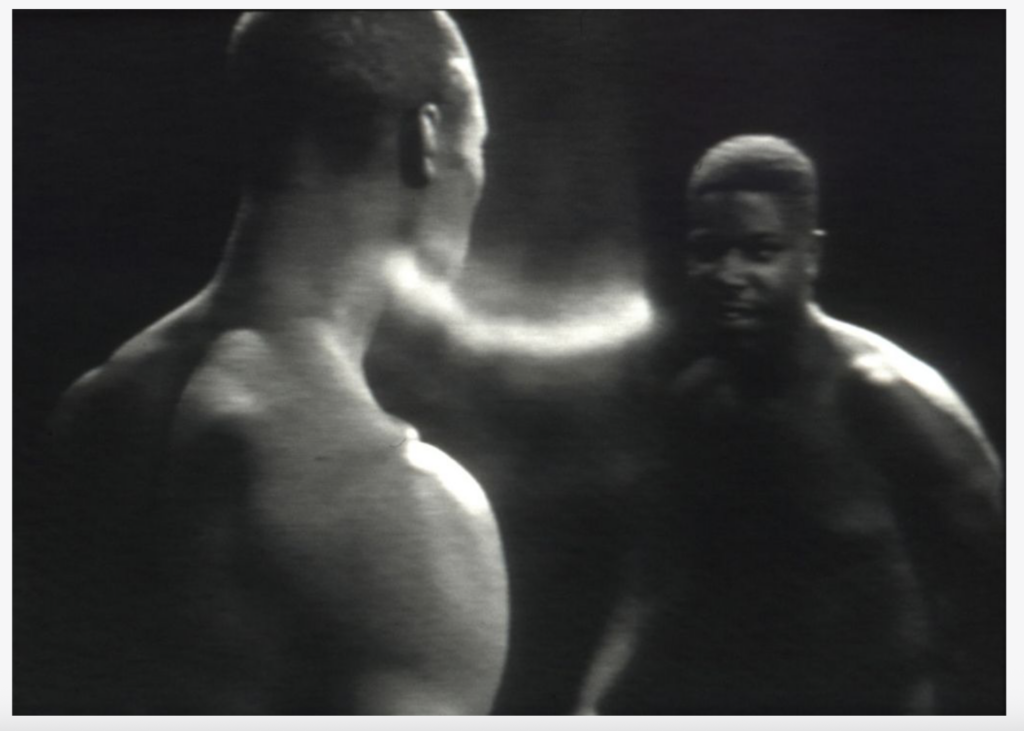
Steve McQueen’s Bear (1993), his first major film, presents an intimate encounter between two men, while Chris Ofili’sTurner Prize-winning No Woman, No Cry (1998) memorialises Doreen and Stephen Lawrence. Keith Piper’s video work similarly considers sport, representation and British national identity.
Black British creativity is further explored through fashion, photography and street style. The exhibition includes suits by Ozwald Boateng, footage of Joe Casely-Hayford’s runway presentations and fashion photography by Koto Bolofo, alongside a street-style collaboration between photographer Jason Evans and stylist Simon Foxton.
Together, these works complicate the idea of a singular 1990s British identity, revealing a decade in which questions of race, representation and belonging were increasingly central to cultural debate.
From Body Horror to Minimalism
The 1990s also witnessed an extraordinary range of artistic approaches, from visceral explorations of the body and mortality to cool, stripped-back forms of conceptual minimalism.
Artists including Hamad Butt, Helen Chadwick, Jake and Dinos Chapman and Cathy de Monchaux engaged with themes of death, decay, sexuality and revulsion. Butt’s work, in particular, responded to the continuing impact of the AIDS crisis.
At the opposite end of the spectrum, Cerith Wyn Evans, Rachel Whiteread and Gary Hume explored pared-back forms and restrained aesthetics. Damien Hirst pushed conceptual art into a new territory, famously removing the artist’s hand from the creative process through fabricated formaldehyde-filled sculptures.
This tension between the raw and the refined, the handmade and the manufactured, runs throughout the exhibition, reflecting a decade in which the definition of art itself was constantly being challenged.
Alexander McQueen and the Art of Fashion
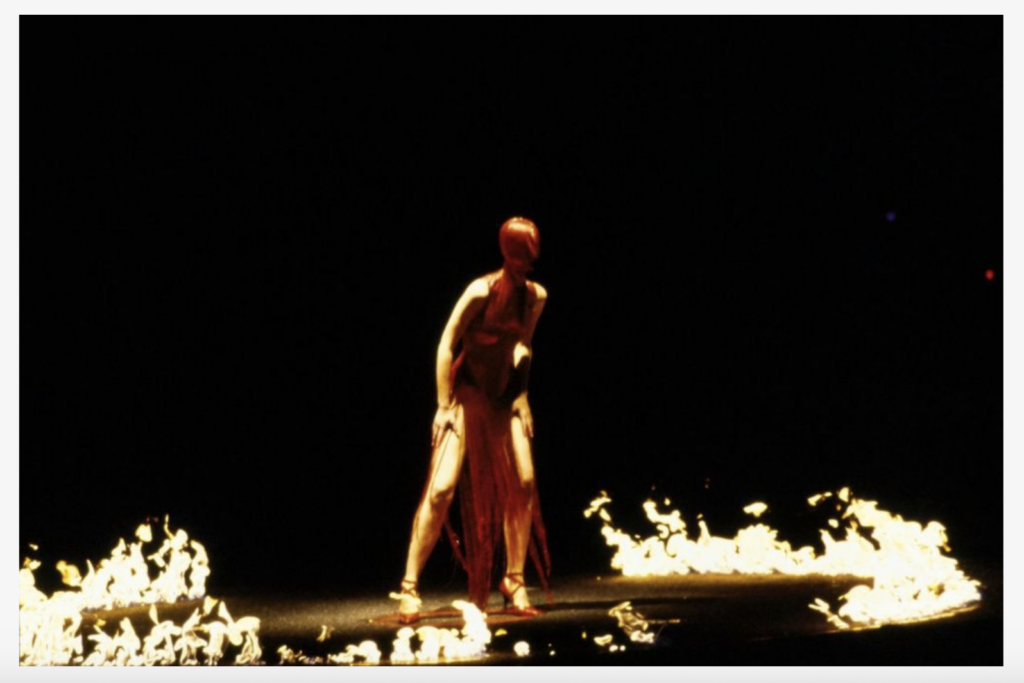
Perhaps nowhere was the creative confidence of the 1990s more evident than in fashion. Designers increasingly treated the catwalk as a site for performance, provocation and spectacle, blurring the boundaries between clothing and contemporary art.
Alexander McQueen emerged as one of the decade’s most radical figures, creating provocative and often nightmarish presentations that transformed fashion shows into theatrical experiences. Hussein Chalayan brought conceptual thinking to clothing, incorporating everyday objects and ideas of transformation into his designs.
Photography underwent a similar transformation. Nick Knight, David Sims and Craig McDean embraced stark, highly conceptual imagery, while photographers including Wolfgang Tillmans captured the cultural shifts taking place around them.
Tillmans’s Concorde Grid (1997) encapsulates the contradictory mood of the late 1990s: excitement about technological and cultural progress tempered by uncertainty about the approaching millennium.
Looking Backwards, Looking Forwards
The exhibition concludes by examining how artists and designers at the end of the century began to look simultaneously backwards and forwards.
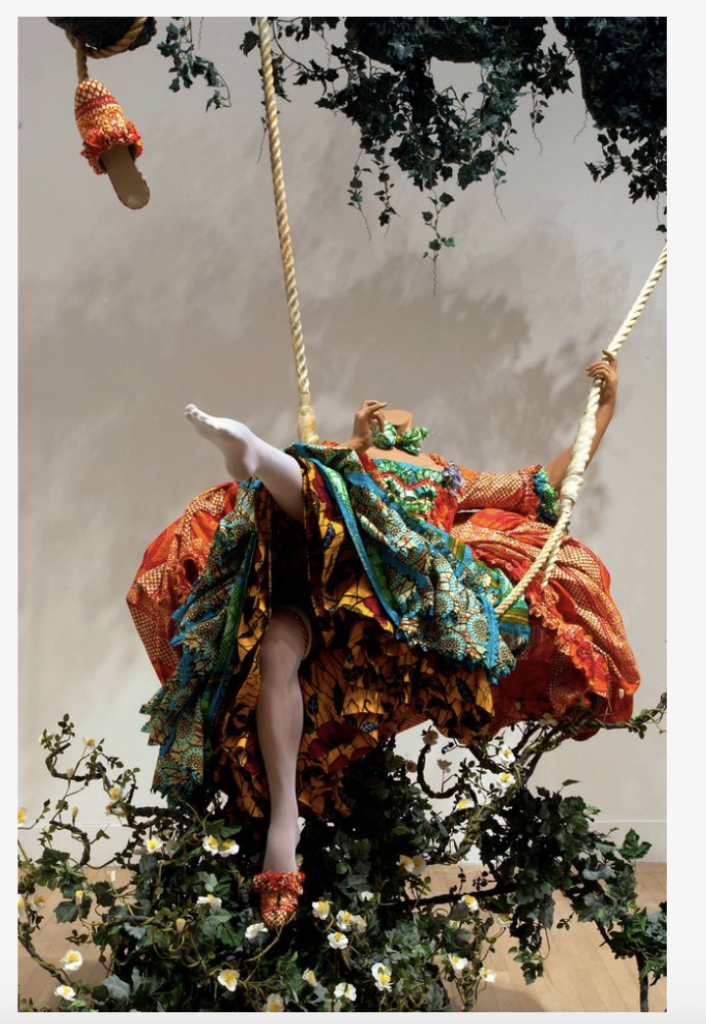
Yinka Shonibare and Maud Sulter drew upon European art history and the language of dandyism to interrogate questions of diversity and representation. In fashion, Vivienne Westwood and John Galliano mined historical references and different cultural traditions, using anachronism to question ideas of style, class and British national identity.
It is a fitting conclusion to an exhibition about a decade caught between eras. The 1990s looked back towards the cultural and political legacies of the 20th century while anticipating the technological and social transformations of the new millennium.
Thirty years on, The 90s: Art and Fashion offers an opportunity to reconsider the decade not simply as an era of nostalgia, but as a crucial moment when the boundaries between art, fashion, photography, music and popular culture became increasingly fluid.
For a generation shaped by the YBAs, club culture, independent magazines, radical fashion and the explosion of visual media, the 1990s represented a moment when anything seemed possible. Tate Britain’s exhibition asks what remains of that possibility — and how the decade continues to shape British culture today.
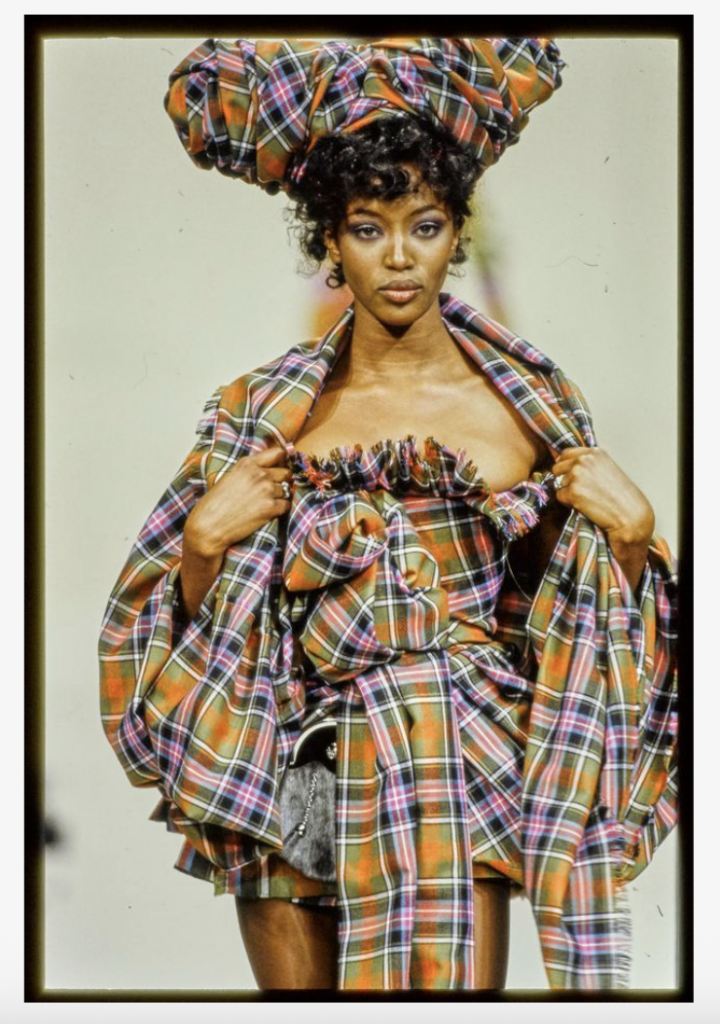
Marineau, Vogue © Condé Nast
The 90s: Art and Fashion is at Tate Britain from 8 October 2026 to 14 February 2027. Find more information here.