
From the shimmering light of Monet and Renoir to the radical colour of Matisse and the experimental visions of Picasso and Yves Klein, Painting the French Riviera at the Royal Academy of Arts explores how the Mediterranean coast became a crucible for modern art. Bringing together more than 120 paintings, sculptures and drawings, alongside film, books and travel posters, the exhibition traces nearly nine decades of artistic discovery between the 1870s and 1960s. Across this luminous landscape of azure seas, sun-drenched skies and dramatic coastlines, artists found not simply a picturesque retreat but a place where light, colour and new ways of seeing could reshape the language of art.
‘It is so beautiful here, so bright, so luminous. One swims in blue air.’ Claude Monet
‘The sea is blue, but bluer than anyone has ever painted it, a colour entirely fantastic and incredible.’ Henri Matisse
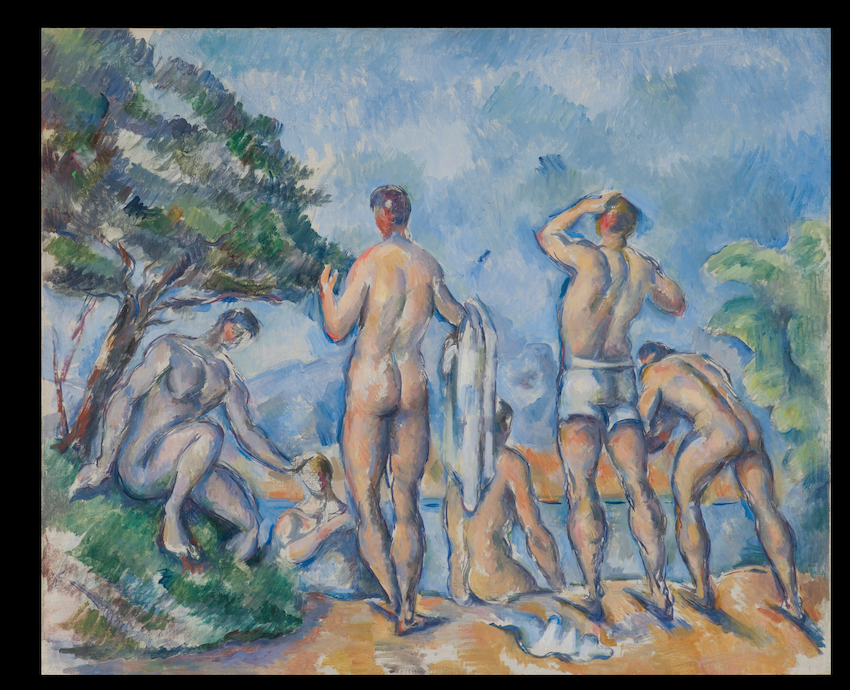
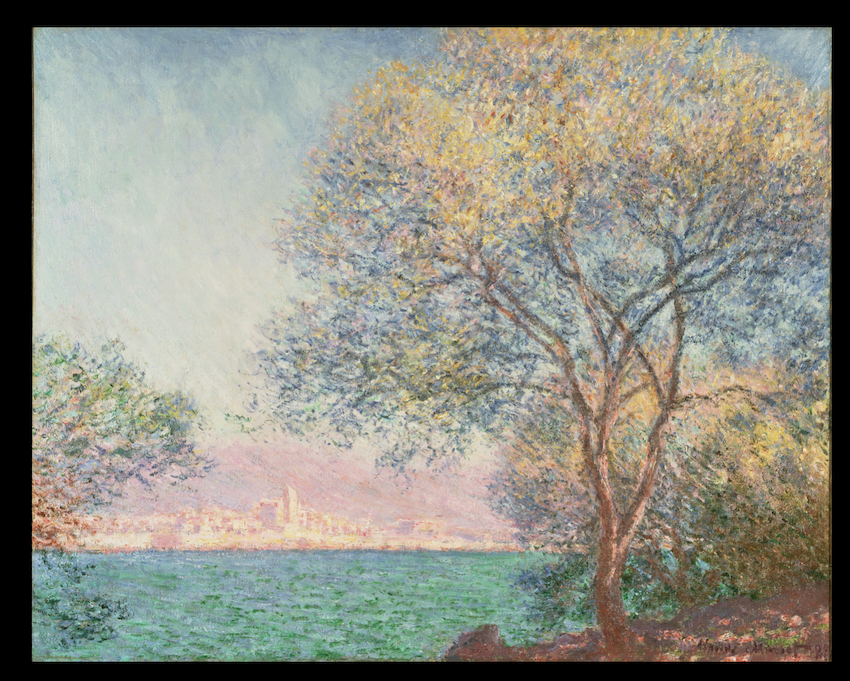
More than simply a place of retreat, the Riviera came to symbolise an ideal of artistic and spiritual renewal, inspiring artists to develop bold new ways of representing their surroundings. Painting the French Riviera will focus on key moments and figures that made significant contributions to the history of modern art. Works by Cézanne, Renoir and Morisot will explore this early fascination with the region, while a dedicated gallery will focus on Monet’s visits to the South of France in the 1880s, including his depictions of the landscapes at Bordighera and Cap Martin and later Antibes in such masterpieces as Morning at Antibes, 1888 (Philadelphia Museum of Art, Philadelphia).
The exhibition features works by the Neo-Impressionists Paul Signac, Henri-Edmond Cross and Théo van Rysselberghe, whose pointillist technique was ideally suited to capturing the scintillating southern light. Works on display will include Cross’s Les Îles d’or, îles d’Hyères (Var), c.1891-1892 (Musée d’Orsay, Paris)and Signac’s Le Pin de Bertaud, 1900 (Private Collection). For these artists, the South of France represented not only visual inspiration but also a utopian ideal, associated with artistic freedom and social progress.
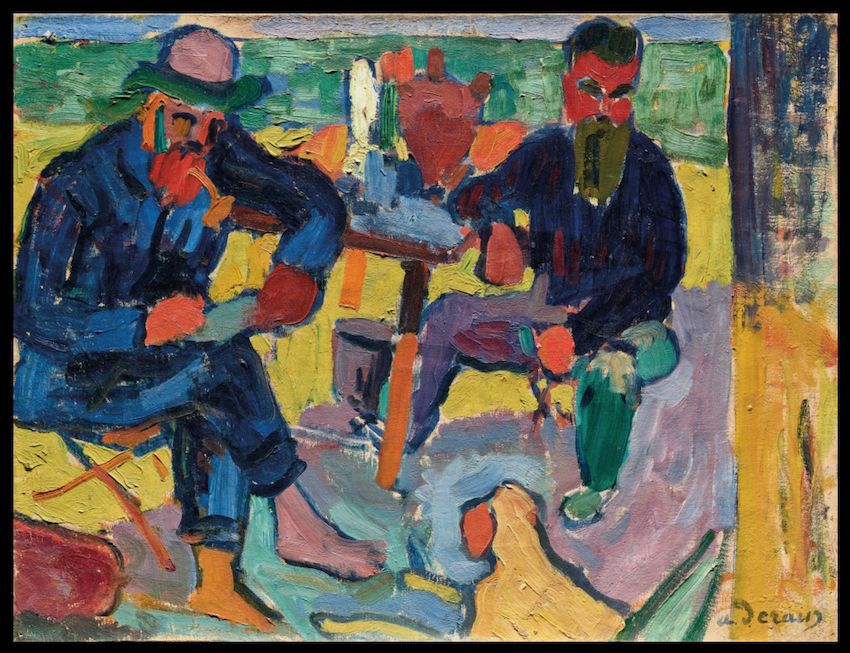
A further section explores the Fauves, led by Matisse and including André Derain and Georges Braque, who between 1905 and 1908 revolutionised painting through their complete liberation of colour for expressive purposes. At the same time, Aristide Maillol’s evocations of a classical past were greatly admired by Matisse and Picasso. The exhibition will trace Matisse’s engagement with the Mediterranean coast, from his arrival at Saint-Tropez in 1904 to his later years in Nice, where he produced many of his most celebrated interiors and sea views, such as Interior at Nice (Room at Beau-Rivage), 1917-1918 (Philadelphia Museum of Art, Philadelphia). These works will be shown alongside paintings by Raoul Dufy, for example Golfe Juan, 1927 (McNay Art Museum, San Antonio), whose elegant depictions of Riviera life captured the glamour and sophistication of the interwar years.
Pierre Bonnard features prominently, with an entire gallery devoted to his radiant Mediterranean paintings made between 1904 and his death in 1947, particularly those produced after he settled at Le Cannet above Cannes in 1926, such as The Gate of the Villa du Bosquet in Le Cannet, 1944 (Muskegon Museum of Art, Muskegon).
Picasso’s long relationship with the Riviera is also be examined through works spanning several decades from the 1920s through the early 1960s. Still Life with Mandolin, 1924 (National Gallery of ireland, Dublin) reveals his post-World War One shift toward a decorative, brighter style that departed from his earlier Analytic Cubist style. A suite of watercolours made in 1933 reflect Picasso’s deep connection to the region and its associations with mythology, antiquity and leisure. Ceramicsmade at the Madoura studio in Vallauris from the late 1940s through the 1960s reveal playful aspects of Picasso’s working practice. Masterpieces from the 1950s will include The Bay of Cannes, 1958 (Musée Picasso, Paris).
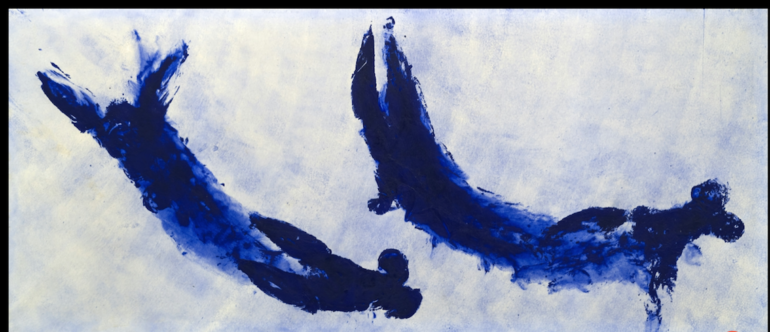
There is a gallery dedicated to iconic travel posters, books and films inspired by life on the Riviera, including F. Scott Fitzgerald’s Tender is the Night and Alfred Hitchcock’s To Catch a Thief, which will situate the Riviera in a wider cultural context. The exhibition will conclude with works by Nicolas de Staël and Yves Klein, whose abstract evocations of sea, sky and colour, including De Staël’s Le Fort-carré d’Antibes, 1955 (Musée Picasso, Antibes) and Klein’s ANT 84, 1960 (Musée d’Art Moderne et d’Art Contemporain (MAMAC, Nice) distilled the Mediterranean into its most elemental forms, offering a powerful culmination to this story of artistic invention and reinvention.
The exhibition is organised by the Royal Academy of Arts, London in collaboration with the Cleveland Museum of Art. The exhibition is curated by Ann Dumas, Curator, the Royal Academy of Arts andHeather Lemonedes Brown, Curator of Modern European Art, Cleveland Museum of Art, with Colm Guo-Lin Peare, Assistant Curator at the Royal Academy of Arts.
Exhibition Tour
Royal Academy of Arts, London
2 October 2026 – 31 January 2027
Cleveland Museum of Art, Cleveland
14 March – 11 July 2027
Painting the French Riviera
2 October 2026 – 31 January 2027
10am – 6pm Tuesday to Thursday
10am – 9pm Friday to Saturday
10am – 6pm Sunday