

Conceived by the late curator Koyo Kouoh, whose visionary influence continues to shape this year’s exhibition following her passing in 2025, the 61st International Art Exhibition of La Biennale di Venezia unfolds from 9 May to 22 November 2026 across the Giardini, Arsenale and multiple venues throughout Venice.
Titled In Minor Keys, Kouoh’s final curatorial vision embraces quieter artistic gestures and nuanced forms of resistance, foregrounding practices rooted in memory, ritual, intimacy and transformation. Rather than spectacle alone, the exhibition invites audiences to slow down and engage with works that challenge dominant narratives through subtlety, emotion and layered histories. With the full support of Kouoh’s family, La Biennale di Venezia has preserved the exhibition exactly as she conceived it – making this edition feel especially poignant and historically significant.
The Vernissage days of Venice Biennale were packed with controversy, beginning a week ahead of the opening when the entire jury resigned in protest about Russia’s reinstatement with a National Pavilion. During the Vernissage week there were Pussy Riot protests outside the Russian Pavilion, demonstrations in the streets of Venice opposing the Israel Pavilion, and many Pavilions closed for a day in solidarity with the jury. Following the Jury’s resignation, Venice Biennale organisers introduced a public vote for best Pavilions, which backfired when more than half of the featured artists declared that they didn’t want to be considered for a public vote.
Aside from the political controversy, highlights of the National Pavilions ranged from haunting Nordic mythology to radical Austrian performance, powerful reflections on migration and identity, and Brazil’s deeply resonant exploration of colonial memory and resilience. These are Culturalee’s six must-see national pavilions at Venice Biennale 2026.
Nordic Countries – How Many Angels Can Dance on the Head of a Pin?
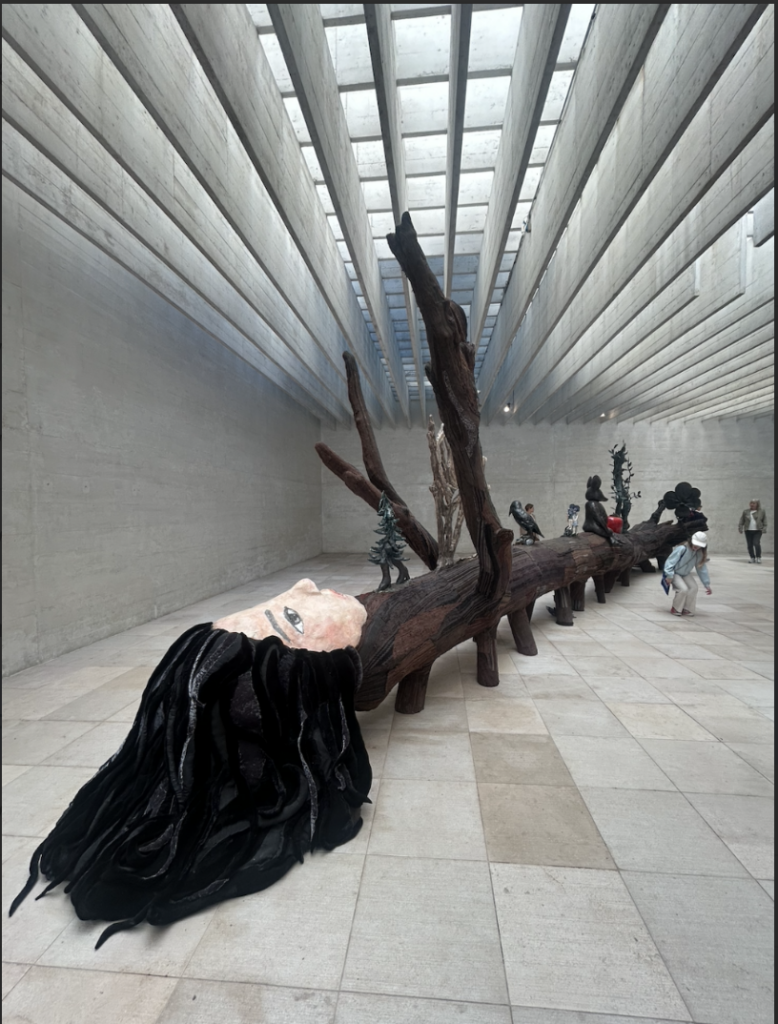
The shared Nordic Pavilion of Finland, Norway and Sweden presents one of the most atmospheric and immersive exhibitions at this year’s Biennale. Titled How Many Angels Can Dance on the Head of a Pin?, the exhibition brings together artists Benjamin Orlow, Klara Kristalova and Tori Wrånes in an enchanting installation inspired by Nordic folklore, myth and nature.
Curated by Anna Mustonen, the pavilion transforms the iconic Sverre Fehn-designed architecture into a site of sensory compression, where sound, sculpture and memory coexist in a constantly shifting environment. Bodies dissolve and reform, structures remain temporary, and visitors are immersed in a dreamlike world that unfolds gradually rather than offering immediate clarity.
The result is one of the Biennale’s most poetic and emotionally resonant exhibitions — meditative, uncanny and quietly powerful.
Venue: Giardini della Biennale
Japan – Ei Arakawa-Nash, Grass Babies, Moon Babies
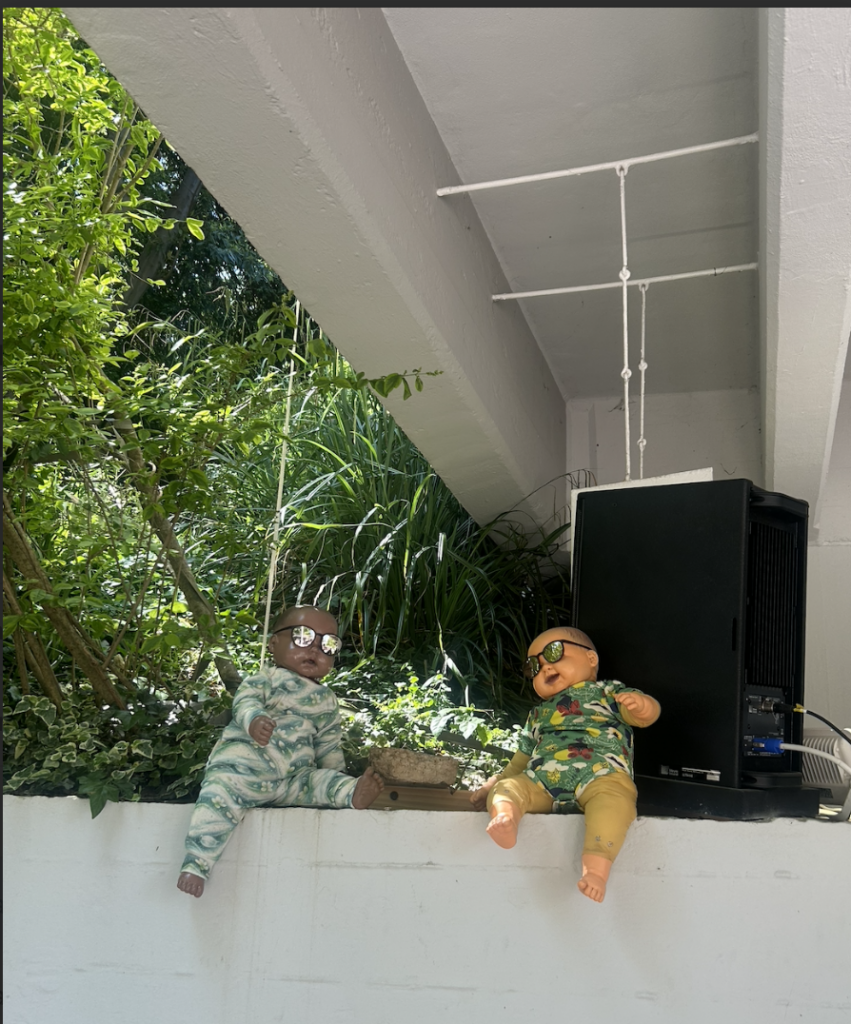
The Japan Pavilion delivers one of the Biennale’s most participatory and conceptually rich experiences with Ei Arakawa-Nash’s Grass Babies, Moon Babies, curated by Horikawa Lisa and Takahashi Mizuki.
Inside the pavilion, visitors are invited to carry one of 200 baby dolls through the exhibition spaces, participating in acts of care that become integral to the artwork itself. The project reflects on intimacy, collective responsibility and the long shadow of historical and social forces both within and beyond Japan.
As audiences move through the pavilion, changing diapers and activating QR-generated “diaper poems,” the boundaries between audience, performer and artwork dissolve. The pavilion evolves continuously over the seven-month duration of the Biennale, becoming a living choreography shaped by participation and human interaction.
Minimal yet emotionally charged, Grass Babies, Moon Babies transforms the act of caregiving into a profound artistic gesture.
Venue: Giardini della Biennale
Bahamas – In Another Man’s Yard
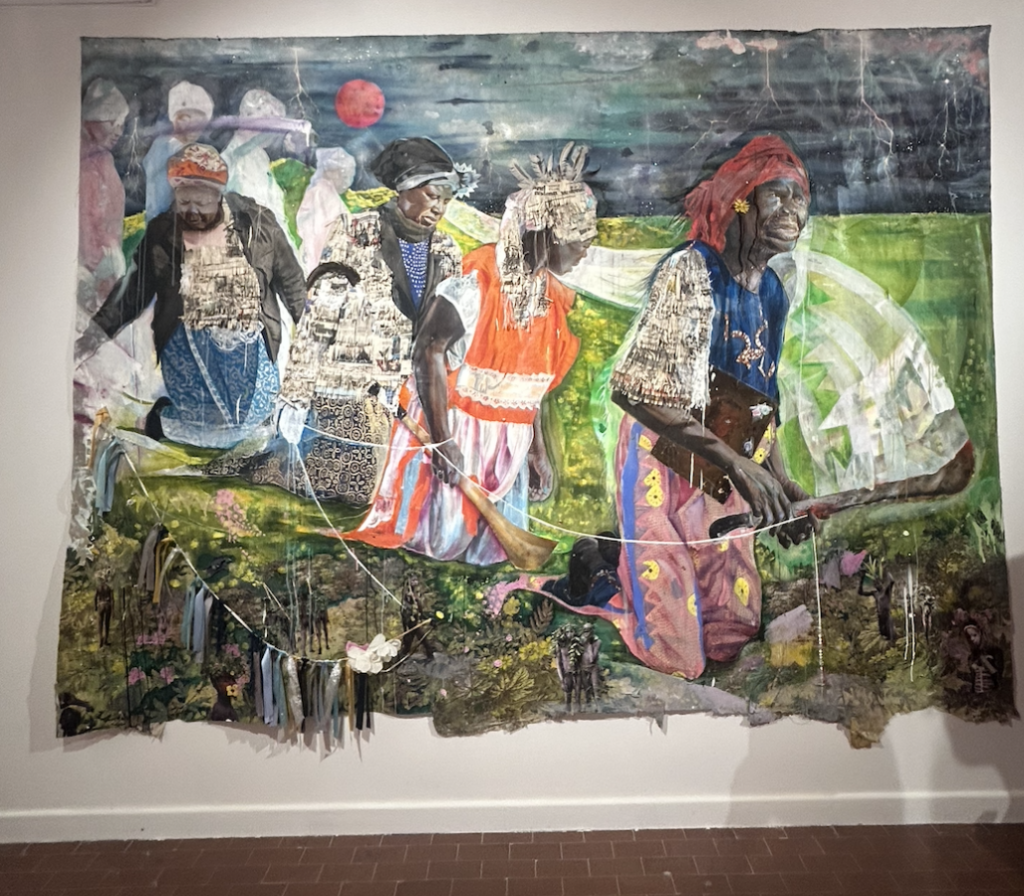
One of the most moving and politically layered presentations at Venice Biennale 2026 comes from the Bahamas Pavilion with In Another Man’s Yard: John Beadle, Lavar Munroe, and the Spirit of (Posthumous) Collaboration.
Curated by Krista Thompson, the exhibition creates a dialogue between the late Bahamian artist John Beadle and contemporary artist Lavar Munroe. Rooted in Bahamian culture and the visual language of Junkanoo, the exhibition explores themes of memory, collaboration, labour and overlooked histories.
Using discarded materials and layered assemblages, the artists draw attention to what Kouoh described as “minor notes” — the hidden, undervalued and marginalised elements of society and the art world. The pavilion’s posthumous collaboration between Beadle and Munroe feels especially poignant, creating an emotional conversation across generations.
Powerful, textured and deeply human, this is one of the standout collateral events of the Biennale.
Venue: San Trovaso Art Space
Great Britain – Lubaina Himid, Predicting History: Testing Translation
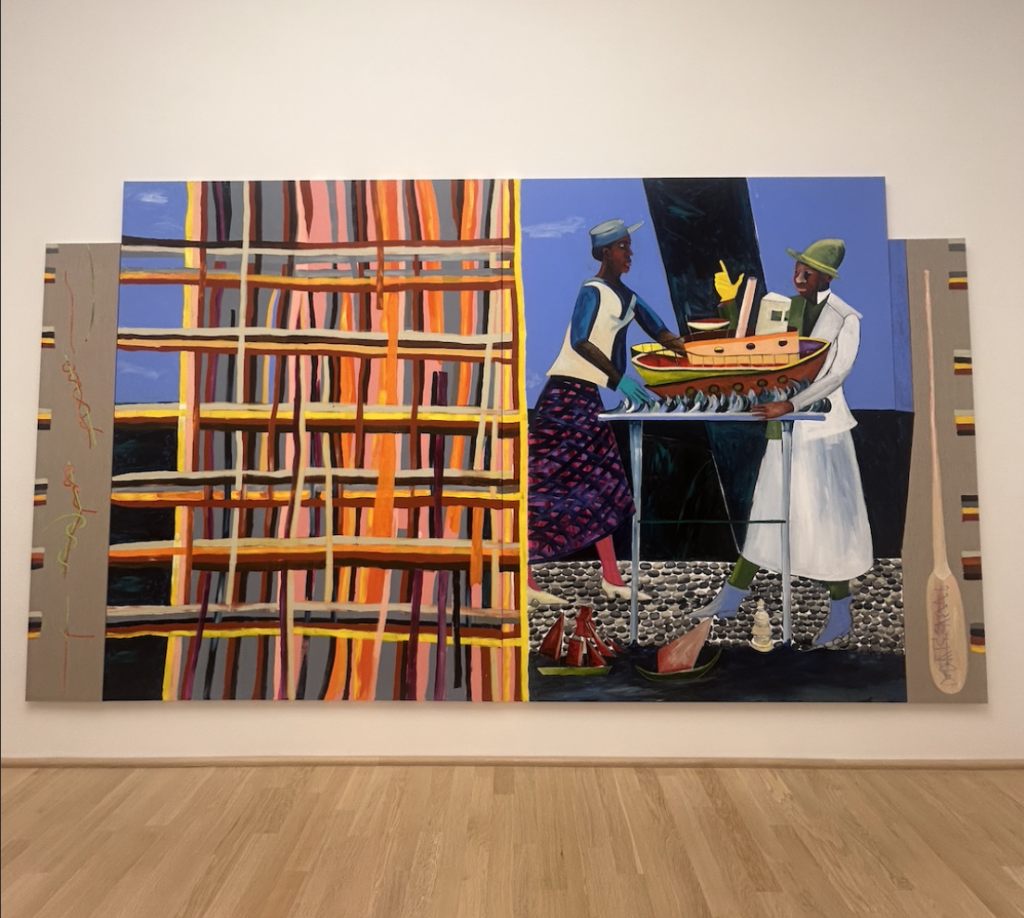
Turner Prize-winning artist Lubaina Himid transforms the British Pavilion into a vibrant meditation on migration, belonging and identity with Predicting History: Testing Translation.
Known for her pioneering work exploring race, feminism and overlooked Black histories, Himid presents a new series of richly coloured, multi-panel paintings filled with surreal narratives and theatrical staging. Collaborating with artist Magda Stawarska, Himid also introduces an immersive soundscape that subtly shifts the emotional atmosphere of the pavilion.
The exhibition reflects on what it means to create a home in unfamiliar places, embracing uncertainty and translation as incomplete but necessary processes. While the neo-classical architecture of the British Pavilion feels airy and welcoming, underlying tensions emerge through fragmented texts, layered sounds and ambiguous imagery.
Both visually stunning and intellectually compelling, Himid’s pavilion is among the strongest national presentations of the Biennale.
Venue: British Pavilion
Austria – Florentina Holzinger, Seaworld
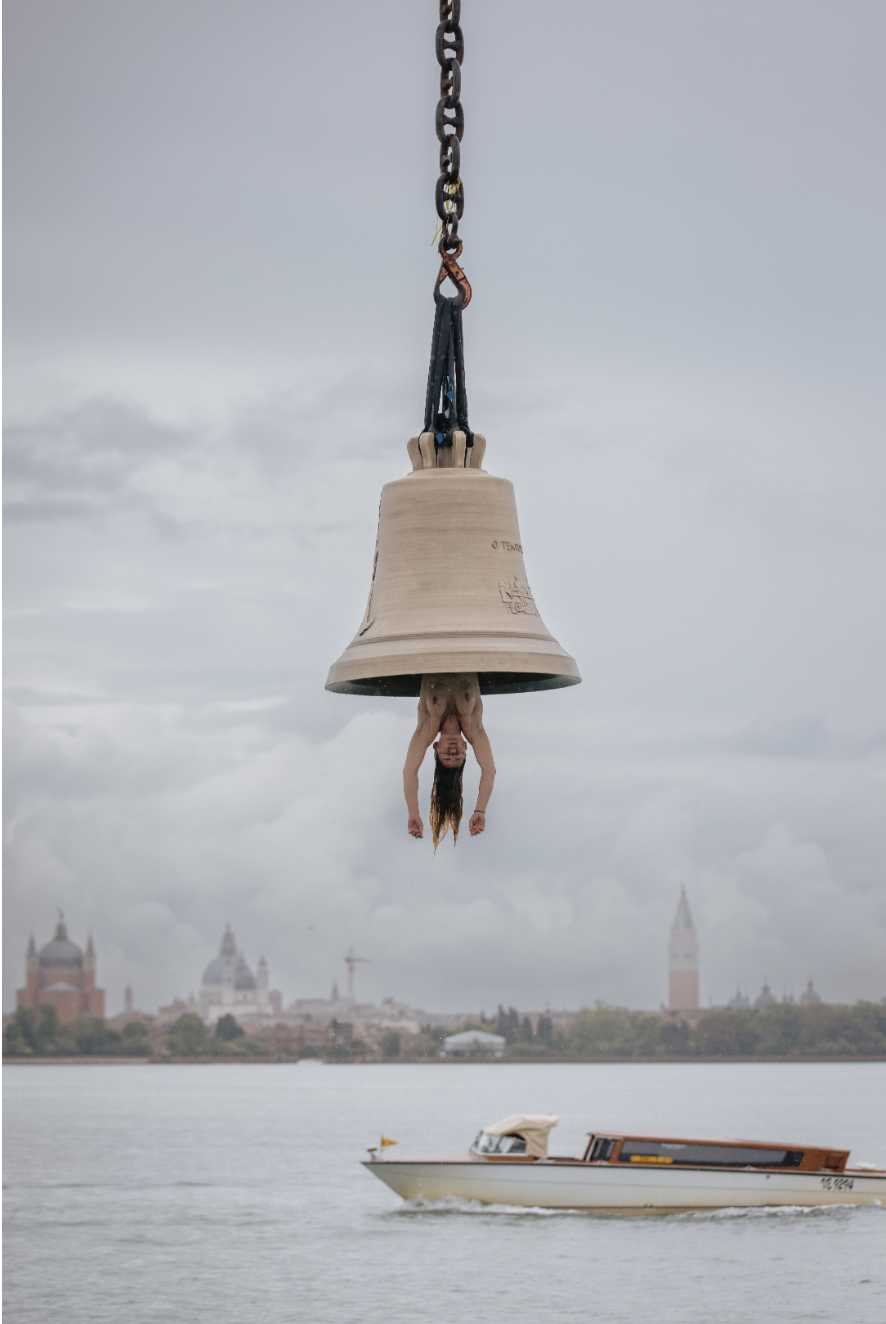
For sheer spectacle, audacity and viral impact, Austrian artist Florentina Holzinger’s Seaworld Venice is impossible to ignore. Curated by Nora-Swantje Almes, the Austrian Pavilion has become one of the most talked-about exhibitions of Venice Biennale 2026. Combining performance, installation, theatre and dystopian fantasy, Holzinger explores climate collapse, bodily transformation and environmental excess through a wildly immersive experience.
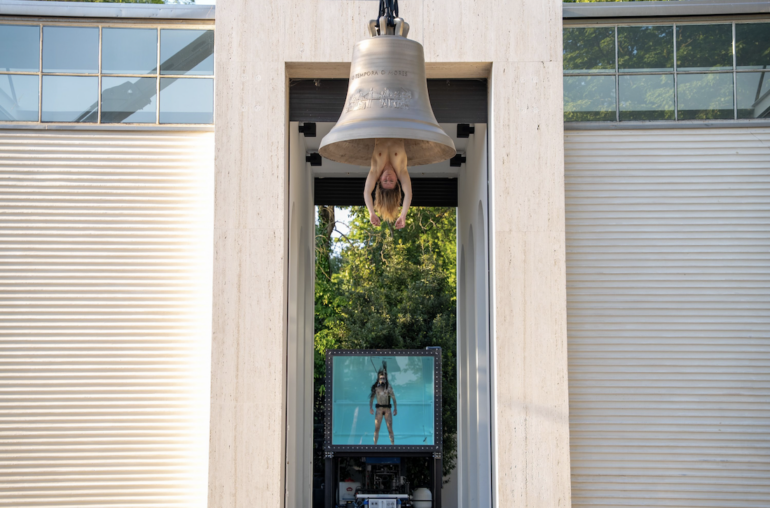
Outside the pavilion, a performer suspended inside a gigantic bell hanging from a crane immediately draws crowds. Inside, audiences encounter performers swimming through tanks of purified urine, jet skis circling indoor pools and robotic creatures inhabiting a surreal aquatic underworld.
Part underwater theme park, part sewage treatment plant and part apocalyptic ritual space, Seaworld collapses distinctions between purity and pollution, spectacle and critique. Holzinger’s uncompromising vision confronts visitors with the physical realities of environmental destruction while embracing the absurdity and theatricality of contemporary culture.
Provocative, chaotic and unforgettable, Seaworld is Venice Biennale at its most extreme.
Venue: Austrian Pavilion
Brazil – Adriana Varejão, Rosana Paulino ‘Comigo Ninguém Pode’
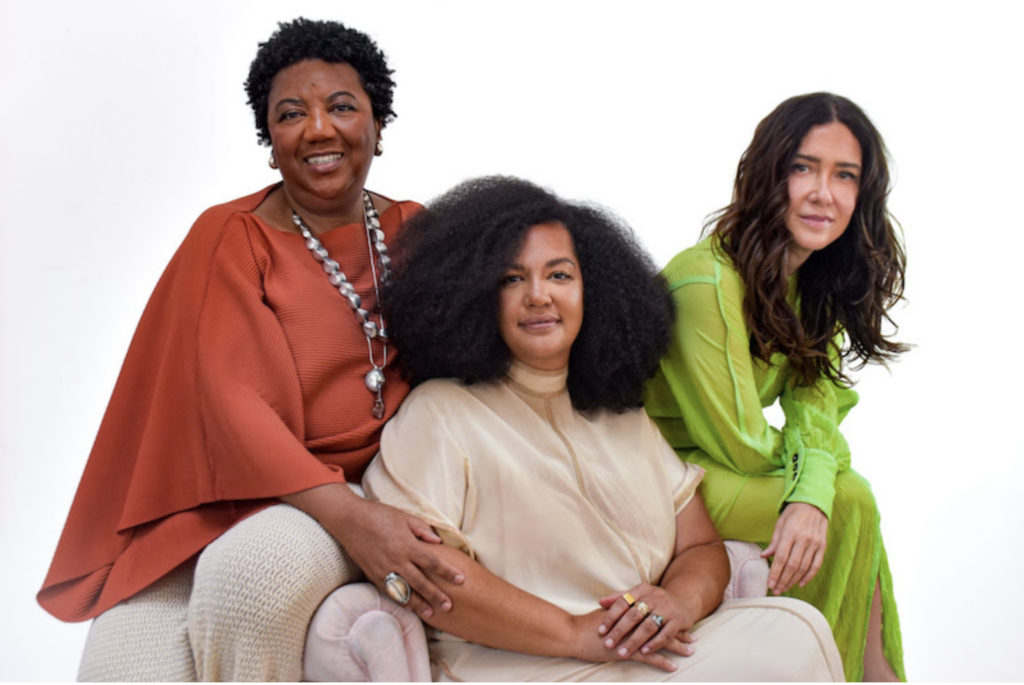
Comigo Ninguém Pode is the title of the Brazilian Pavilion’s presentation at Venice Biennale, and brings together artists Adriana Varejão and Rosana Paulino in an unprecedented dialogue curated by Diane Lima. Organized by the Fundação Bienal de São Paulo in partnership with Brazil’s Ministry of Culture and Ministry of Foreign Affairs, the exhibition transforms the modernist Brazilian Pavilion space through an installation-based approach. Drawing on more than three decades of artistic production, the exhibition revisits colonial histories and inherited traumas while exploring processes of metamorphosis, spirituality, and material transformation.
Taking its title from the toxic yet protective plant popularly known in Brazil as comigo-ninguém-pode (Dieffenbachia), the exhibition proposes a sensorial journey through themes of resilience, ancestry, and the entanglement of nature and history. The phrase — loosely translated as “Nobody can defeat me” or “Don’t mess with me” — evokes both resistance and protection, ideas deeply embedded in the practices of both artists. Paulino references the symbol through her Senhora das plantas series, while Varejão continues her exploration of simulated materialities, from flesh and ceramics to Baroque woodcarving and botanical forms. Together, their works create a powerful meditation on memory, identity, and the enduring traces of colonial violence.
Venue: Giardini